Introduction
Panama was shaken by two strong earthquakes within minutes on Friday afternoon, triggering widespread evacuations and prompting concerns across the region. The quakes, measuring 7.7 and 6.6 in magnitude, struck near the central province of Herrera and were felt as far as Panama City and neighboring countries.
What Happened
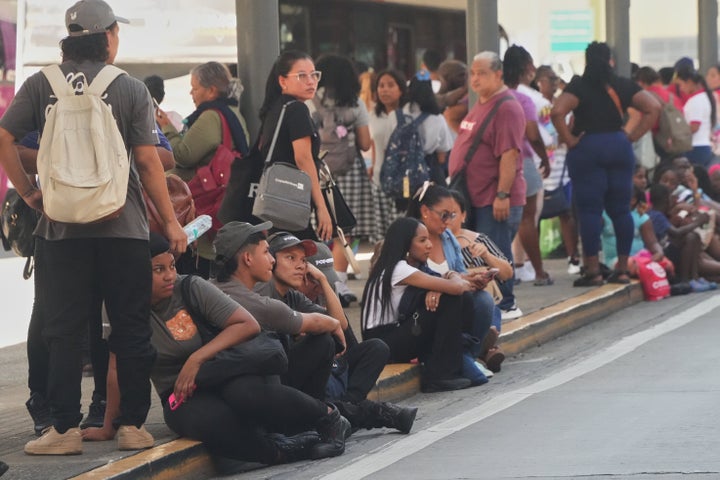
The first quake, initially reported as magnitude 8, was later revised to 7.7 and occurred about 10 kilometers southwest of Pitaloza Arriba in Herrera province, at a depth of 10 kilometers. Minutes later, a 6.6 magnitude aftershock rattled the same area. Throughout the afternoon, seismologists recorded more than 45 aftershocks, several measuring above magnitude 5.0, though most were too weak to be felt indoors. Residents of Panama City emerged from buildings and gathered in streets and shopping mall parking lots. One resident, Rosendo Domínguez, 60, from Herrera province, said they felt the quake strongly. Items fell in the kitchen, but all are okay, though fear remains. Authorities reported structural damage in Penonomé and Santiago, including a partially collapsed cathedral, damage to the governor's office, and the Dos Continentes hotel. A colonial-era church in Los Santos province also suffered collapse. In Penonomé, a vehicle was crushed beneath a collapsed building, and deep fissures appeared along roadways. Tocumen International Airport temporarily suspended operations after the first tremor but resumed flights later Friday afternoon. The Panama Canal Authority confirmed operations continued normally, with technical teams inspecting facilities for any damage.
Why This Matters
Panama sits along the Pacific Ring of Fire, where tectonic plate interactions frequently generate seismic activity. The country's strict building codes, particularly for high-rises in the capital, likely prevented a higher casualty count. Experts note that while the quakes were powerful, the lesser toll compared to recent disasters in Venezuela and Colombia may be attributed to these regulations. Tsunami warnings were initially issued for Panama's coast and several neighboring nations, including warnings for Easter Island in Chile. Although major waves were not expected beyond coastal areas, seawater reached homes on Isla Cañas, and authorities maintained vigilance. The event also highlighted regional solidarity. Leaders from Chile, Uruguay, Guatemala, and others offered support, while the U.S. State Department pledged rapid mobilization of assistance. International aid offers underscore the quake's significance beyond Panama's borders.
Key Takeaways
- No fatalities were reported as of Friday evening, though injuries were documented, including one person struck by debris in Penonomé.
- Severe damage was concentrated in central provinces, particularly Penonomé, Santiago, and Los Santos, while Panama City avoided major structural loss.
- Over 45 aftershocks were recorded, with several exceeding magnitude 5.0, keeping residents on edge.
- Tocumen Airport and the Panama Canal resumed operations after initial safety checks.
- International leaders and organizations expressed support, with the U.S. and several Latin American nations pledging assistance.
Conclusion
The back-to-back quakes serve as a stark reminder of Panama's seismic vulnerability and the importance of preparedness. While the immediate human toll was lower than feared, the event underscores the need for continued investment in resilient infrastructure, public education, and regional coordination. As authorities continue to assess damage and monitor aftershocks, the focus remains on ensuring safety and supporting affected communities across the isthmus.


Discussion
Join the conversation
Thoughtful reactions, questions, and follow-up ideas help shape the next story.