Introduction
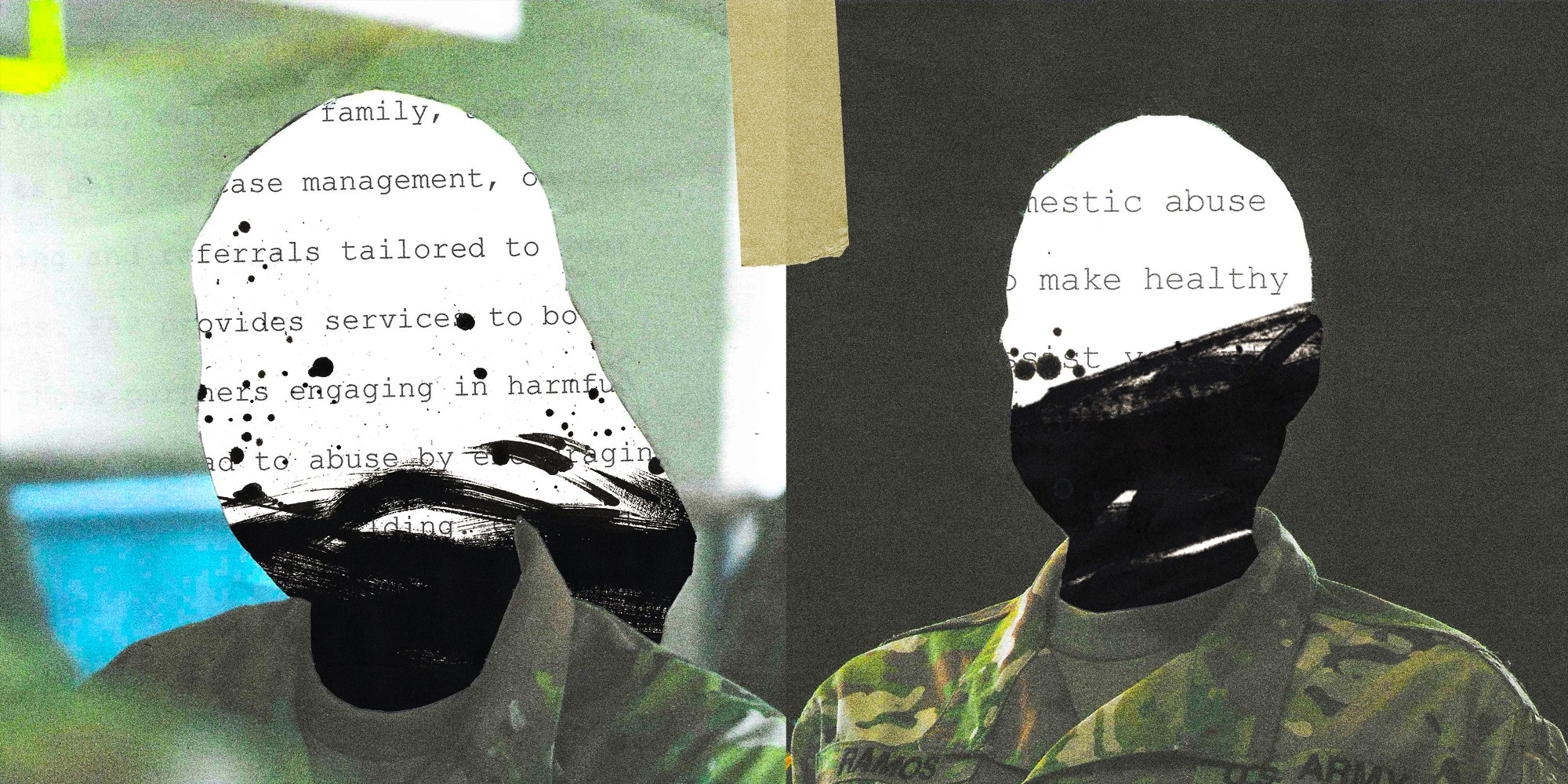
The U.S. military's approach to domestic abuse fatalities has long been hampered by incomplete data and opaque reporting. A new investigation by The Intercept reveals that official Pentagon counts overlook dozens of cases, leaving a stark gap between documented deaths and the reality faced by families and advocates. The findings underscore how systemic gaps in tracking and accountability allow violence to persist unseen.
What Happened
Between fiscal years 2019 and 2024, the Defense Department recorded 41 homicides linked to intimate partner violence. Independent researchers, however, identified at least 73 potential cases involving 79 victims, nearly all women, during the same period--almost double the official tally. One prominent case involved Navy reservist Angelina Resendiz, who was killed by fellow sailor Jermiah Copeland at Naval Station Norfolk. Her mother, Esmerelda Castle, spent days searching for answers while the Navy delayed notification, initially classifying Resendiz's status as duty unknown even as her body was discovered hidden in a barracks room. The investigation also drew on court records, obituaries, and Freedom of Information Act data to fill gaps where military reporting fell short.
Why This Matters
Inconsistent recordkeeping is more than an administrative shortfall--it has real-world consequences for victims' families and the broader effort to address military domestic violence. Experts note that when accountability is inconsistent, abusers face fewer consequences and victims are less likely to receive protection. The military's cultural stigma, fear of career retaliation, and lack of confidential reporting channels further discourage survivors from coming forward. Data shows intimate partner homicide rates among servicewomen are significantly higher than national averages, and firearms were used in over two-thirds of the fatal cases reviewed. These gaps prevent policymakers from understanding the true scope of the problem and delay meaningful reform.
Key Takeaways
- The Pentagon's official domestic abuse homicide count captures roughly half of the cases identified by independent researchers.
- Families endure prolonged uncertainty because the military often delays or obscures the true circumstances of a death.
- Cultural and structural barriers--including stigma, fear of retaliation, and insufficient confidential reporting--discourage victims from seeking help.
- Firearms featured in the majority of fatal cases, highlighting the intersection of domestic violence and easy access to weapons on base.
- Recent policy changes, including expanded firearm carry rules on installations, may increase risk rather than mitigate it, according to advocates and researchers.
Conclusion
The military's domestic abuse death toll is likely far higher than official statistics indicate, and the tracking gaps reflect deeper cultural and institutional failures. Without transparent data collection, standardized reporting, and independent oversight, families will continue to fight an uphill battle for accountability. Advocates urge defense leaders and Congress to mandate comprehensive data collection, protect victims from retaliation, and prioritize primary prevention across all branches.






Discussion
Join the conversation
Thoughtful reactions, questions, and follow-up ideas help shape the next story.