Introduction
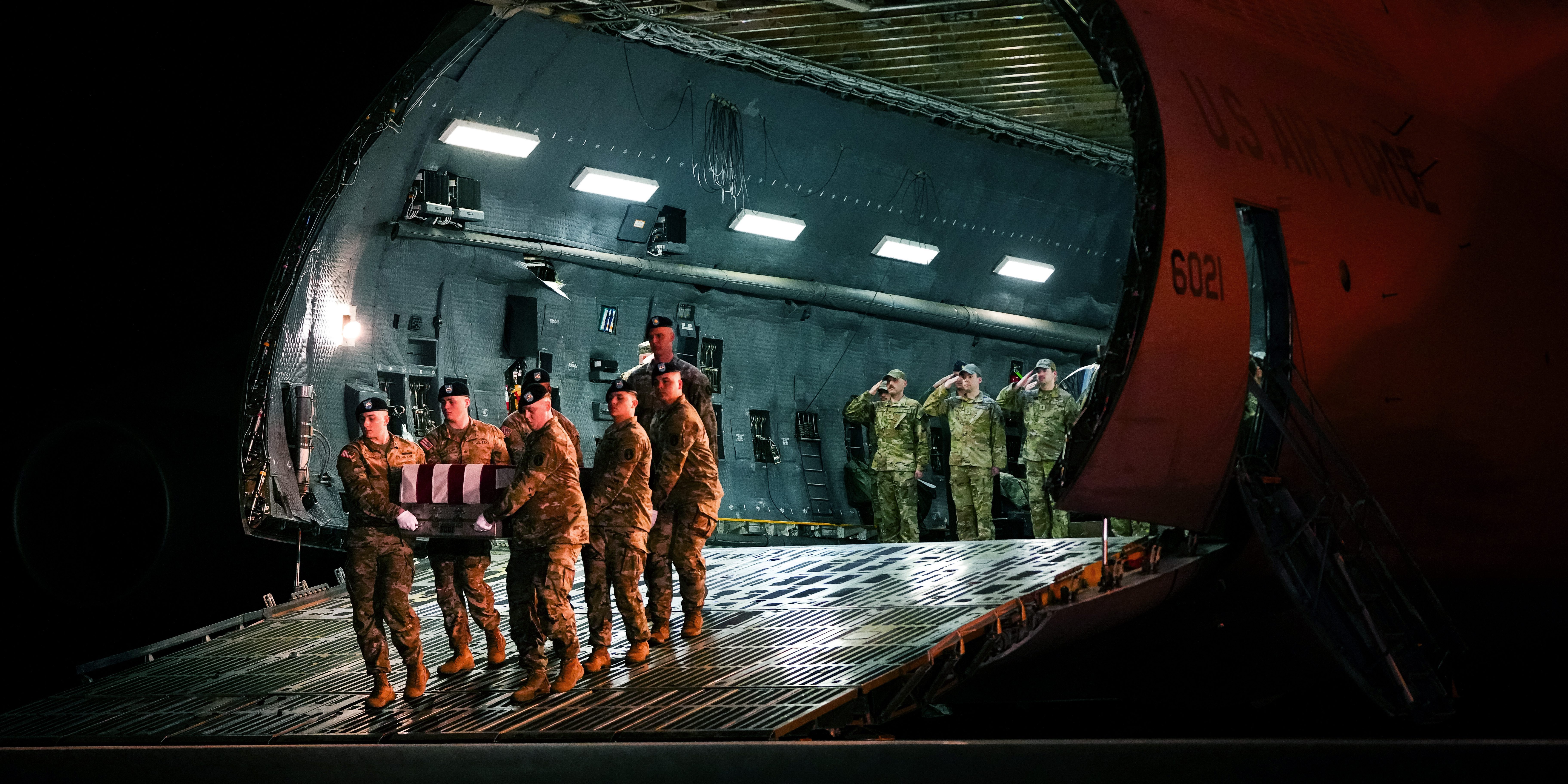
The U.S. Department of Defense has finally acknowledged the death of Army Maj. Sorffly Davius, more than six months after he died while serving in Kuwait. The delayed recognition sheds light on persistent problems with how the military tracks casualties from the ongoing Iran conflict.
What Happened
Maj. Davius, a signals and communication officer with the New York Army National Guard and the 42nd Infantry Division, died on March 6, 2026, at Camp Buehring, Kuwait, as a result of a non-combat-related incident. For months, The Intercept and other outlets pressed the Pentagon for answers, but the Defense Casualty Analysis System (DCAS) initially listed no non-hostile fatalities for the war, known as Operation Epic Fury.
After repeated inquiries, the Pentagon updated DCAS to include one death, raising the official Iran war fatality count to 21. The update came alongside the addition of other recent deaths, including an unidentified Navy suicide and Army Capt. Bianca Wilkerson, who died from a coronary issue in September.
The military’s casualty tracking system has undergone repeated changes. The Pentagon shifted casualty categorization from Epic Fury to Overseas Operations, a move critics say obscures the true scope of deaths and injuries. Since April, the official count has fluctuated significantly, with hundreds of personnel added or removed from the tally without public explanation.
Why This Matters
Families of service members rely on accurate casualty counts for closure and benefits. Inaccurate or delayed reporting undermines trust in military transparency and can affect legislative oversight. Lawmakers Reps. Chrissy Houlahan and Adam Smith recently called the Pentagon’s reporting failures a mistake of this magnitude, urging Secretary Hegseth to address systemic gaps in how deaths are recorded.
Beyond the Davius case, the DCAS website has introduced new categories such as Pending Adjudication and self-inflicted to manage reporting delays, but discrepancies remain. A sailor who suffered a non-combat injury aboard the USS Abraham Lincoln during strike missions in support of Operation Epic Fury, for example, remains uncounted in the official tallies.
Key Takeaways
- The Pentagon officially counted Maj. Sorffly Davius’s death six months after it occurred, bringing the confirmed Iran war death toll to 21.
- The Defense Casualty Analysis System has struggled with categorization, initially excluding non-hostile deaths and later adding new tracking categories.
- Casualty numbers have fluctuated repeatedly since April, with the total wounded-in-action count shifting by hundreds without official explanation.
- Congressional leaders have demanded accountability, stating there is no excuse for a mistake of this magnitude.
- Additional recent deaths, including Capt. Bianca Wilkerson and an unidentified Navy suicide, have been added to DCAS, but reporting gaps persist.
Conclusion
The delayed acknowledgment of Davius’s death underscores broader issues in how the U.S. military reports casualties from the Iran conflict. As the Pentagon continues to adjust its tracking methods, transparency and consistent reporting remain essential for honoring service members and informing public discourse. Readers seeking accurate, up-to-date casualty information should monitor official Pentagon releases and congressional oversight efforts.







Discussion
Join the conversation
Thoughtful reactions, questions, and follow-up ideas help shape the next story.