Introduction
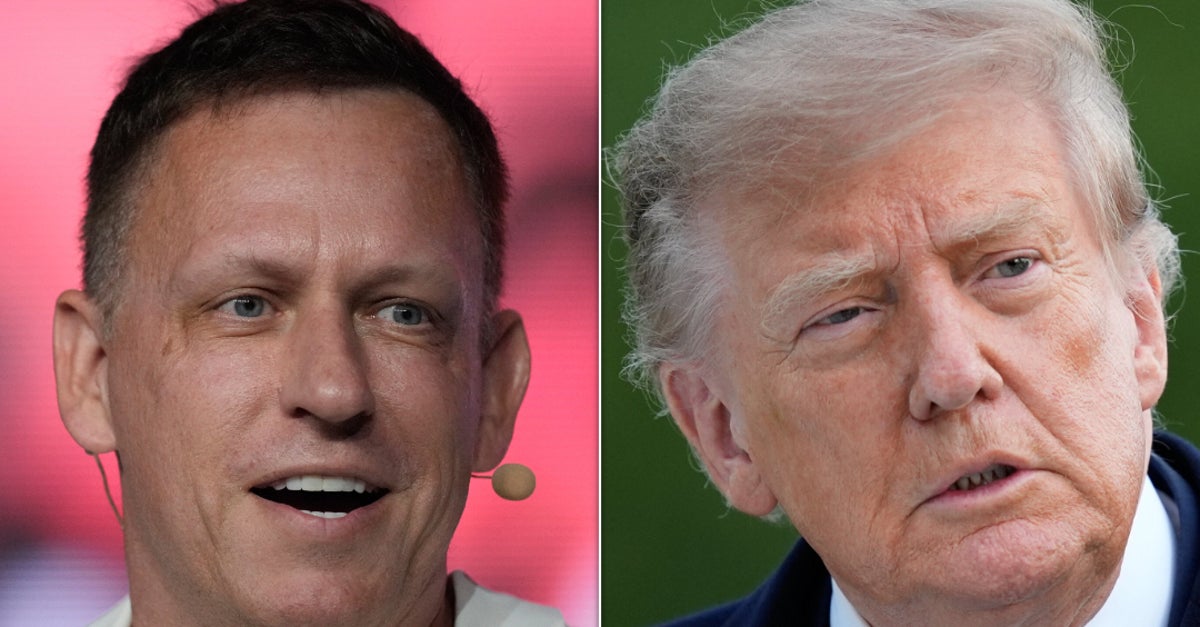
Billionaire venture capitalist Peter Thiel has sparked fresh debate by criticizing the current direction of the Trump administration, arguing that loyalty has been prioritized over competence in key government appointments.
What Happened
Speaking on the MD Meets podcast with journalist Mathias Dpfner, Thiel reflected on his 2016 support for Donald Trump and said the second term has taken a starkly different approach. The first administration brought in people who couldn't agree, leading to internal fighting. The second administration overcorrected with loyalty tests, Thiel said, adding that the current staff is not very smart but very loyal. He warned that voters are growing fatigued with the Republican Party, drawing parallels to the end of George W. Bush's presidency.
Thiel also noted that Hillary Clinton barely beat Bernie Sanders in 2016, and the establishment won again in 2020 and 2024, raising questions about the 2028 race. He cautioned that if Democratic Socialists take over the Democratic Party, it would be a much bigger deal with consequences he describes as catastrophic.
Why This Matters
Thiels comments highlight a growing tension within conservative politics between establishment loyalty and effective governance. His warning about voter fatigue suggests the Republican Party could face significant headwinds if it continues to prioritize allegiance over ability. The remarks also signal Thiels shifting concerns about the broader political landscape, particularly as the 2028 election cycle approaches.
Key Takeaways
- Thiel argues Trump's second term has replaced infighting with unchecked loyalty, potentially undermining decision-making.
- He warns of voter fatigue with the GOP, suggesting the party could lose momentum similar to post-Bush eras.
- Thiel predicts a possible realignment if Democratic Socialists capture the Democratic Party, calling the scenario catastrophic.
- His financial backing of Trump in 2016 and JD Vance in 2022 shows his continued influence in Republican circles.
- The interview underscores broader concerns about governance, voter sentiment, and the direction of US political parties ahead of 2028.
Conclusion
Peter Thiels unfiltered critique offers a rare insider perspective on the trade-offs between loyalty and competence in government. As the political landscape shifts ahead of the next presidential cycle, his warnings about voter fatigue and party realignment may prove increasingly relevant for strategists and voters alike.
Discussion
Join the conversation
Thoughtful reactions, questions, and follow-up ideas help shape the next story.