Introduction
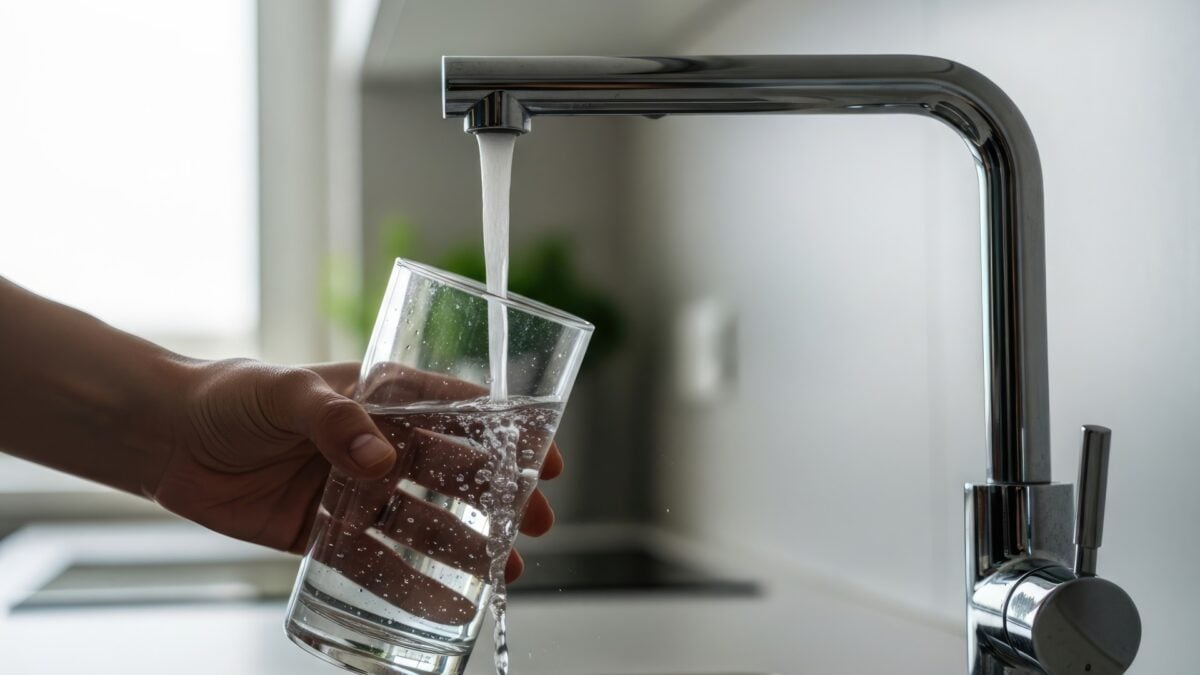
A recent study suggests U.S. drinking water may contain significantly more PFAS than current reports indicate, revealing a significant gap in how these forever chemicals are tracked and reported.
What Happened
Published in the journal Cell Reports Sustainability, the analysis examined over 1.86 million PFAS test results from nearly 10,000 community water systems. Researchers found that about 98% of results fell below minimum reporting thresholds and were recorded as zero, even though each result only confirmed a concentration between zero and the limit. The team used statistical modeling to estimate true levels, finding the conventional approach captured just 44% of the actual estimated concentration across 25 PFAS types.
Why This Matters
The Environmental Protection Agency monitors PFAS because scientific evidence links exposure to serious health conditions, including certain cancers, reproductive issues, hormonal disruptions, birth defects, immunodeficiencies, and high cholesterol. With an estimated 176 million Americans drinking water that contains PFAS, the gap between reported and actual levels has significant implications for public health. Experts say below-limit results should remain clearly labeled, and agencies should disclose testing details, reporting limits, and frequency of non-detect results.
Key Takeaways
- Current PFAS reporting captures only about 44% of actual concentrations in drinking water
- Nearly all test results below reporting limits are recorded as zero, losing valuable data
- A single study estimates true PFAS levels may be more than twice what's officially reported
- The EPA and local utilities are urged to improve transparency around testing methods and thresholds
- Communities can ask what not detected means, which chemicals were screened, and what reporting limits apply
Conclusion
The findings highlight a critical blind spot in national water quality monitoring. Until reporting standards account for below-threshold data, residents should stay informed about their local water testing practices and advocate for more detailed disclosure. More sensitive testing and clearer reporting could ensure future data truly reflects what's in our taps.



Discussion
Join the conversation
Thoughtful reactions, questions, and follow-up ideas help shape the next story.