Introduction
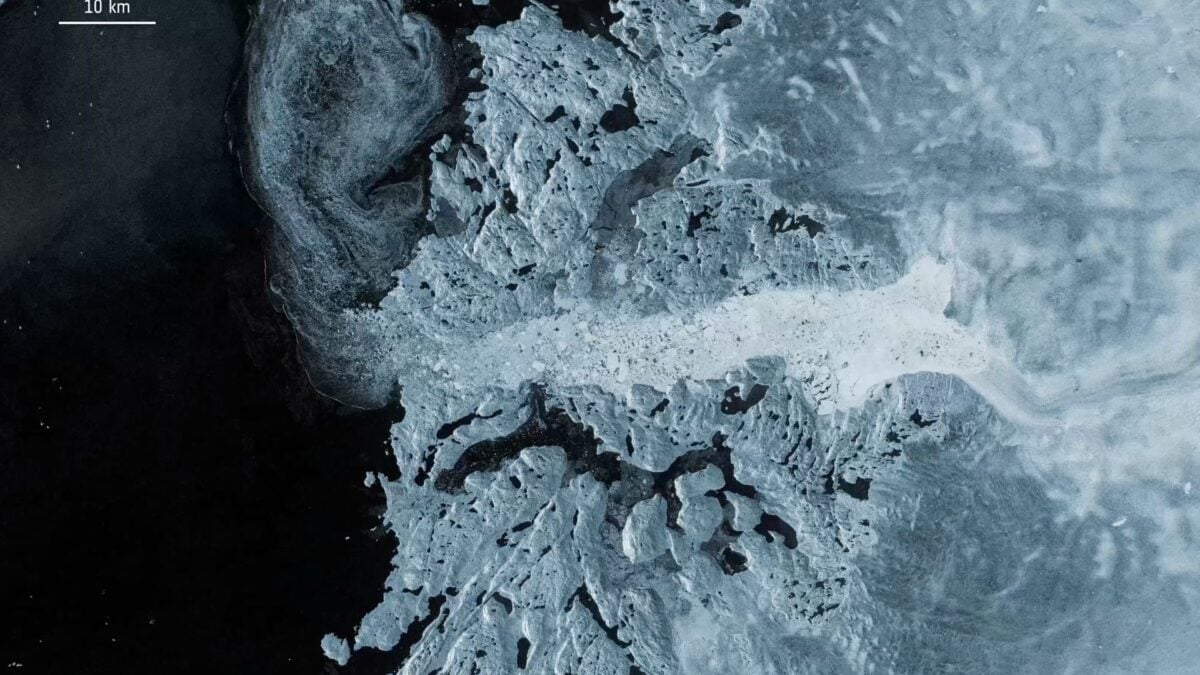
A landmark satellite analysis spanning five decades confirms that Earth's polar ice sheets are losing mass at an unprecedented rate. Researchers combined 42 independent estimates to produce the most comprehensive record yet of Greenland and Antarctic ice loss, revealing profound implications for global sea levels.
What Happened
The study, published in Scientific Data, documents a combined loss of 11.3 trillion tons of ice between 1979 and 2023. That volume of ice, scientists note, could fill a cube over 23 kilometers on each side. The record shows that while both ice sheets have been losing mass for half a century, the pace has accelerated dramatically since the 1990s, with glaciers flowing faster into the ocean emerging as the primary engine of decline.
Researchers found that 84 percent of the total ice loss stemmed from glaciers pouring more ice into the ocean—a process called discharge—while only 16 percent resulted from surface melting. This shift in understanding reframes how scientists track and predict future changes.
Why This Matters
Since the satellite record began, the polar ice sheets have gone from contributing modestly to sea level rise to accounting for roughly one-quarter of the global average increase. Greenland experienced its biggest losses during the 2010s, driven by extreme summer melt events, while Antarctica's retreat has been fueled almost entirely by ocean-driven melting of outlet glaciers like Pine Island and Thwaites. Even a temporary slowdown between 2020 and 2023, linked to record snowfall in East Antarctica, cannot override the long-term trend of accelerating glacier flow.
Key Takeaways
- Polar ice sheets lost 11.3 trillion tons of ice over 50 years, driving a one-inch rise in global sea levels.
- Glacier discharge, not surface melting, accounts for the majority of ice loss from both Greenland and Antarctica.
- Accelerated flow from West Antarctic glaciers like Pine Island and Thwaites is a critical, ongoing concern.
- Short-term gains from heavy snowfall cannot reverse the long-term trajectory of ice loss.
Conclusion
The comprehensive analysis provides a clearer picture of how and why polar ice is vanishing, underscoring the urgency of monitoring these changes as climate pressures mount. Future work will drill down to regional differences, helping refine projections for coastal communities worldwide.



Discussion
Join the conversation
Thoughtful reactions, questions, and follow-up ideas help shape the next story.