Introduction
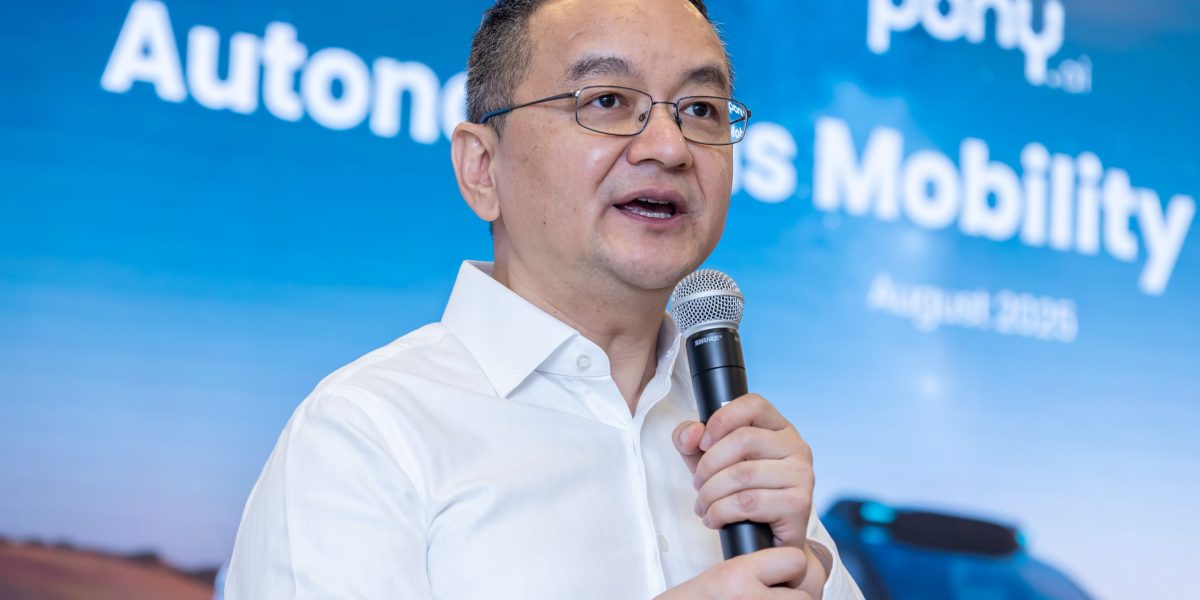
Pony.ai founder and CEO James Peng predicts that robotaxis will become a familiar sight on city streets within five years, asserting that the core technology is already mature. The Chinese autonomous driving firm is leveraging that momentum to expand its commercial operations across Asia and into new international markets.
What Happened
At the Fortune Leaders Forum in Macau, Peng told attendees that riders will soon be able to hail a driverless vehicle much like a traditional taxi. Pony.ai already operates robotaxi services in Beijing, Guangzhou, Shanghai, and Shenzhen, where each vehicle averages about 25 rides per day. The company is also scaling its reach through new partnerships, including a deal with Uber to deploy over 2,000 robotaxis in Europe and an agreement to bring 200 units to South Korea by 2028.
Why This Matters
Beyond individual trips, widespread robotaxis could fundamentally change how cities allocate space. Peng notes that private cars typically sit idle for most of the day, while a shared fleet could dramatically reduce the need for parking infrastructure. The shift may also improve accessibility and safety, particularly for female riders, who Peng said feel more secure in driverless vehicles during evening hours.
Key Takeaways
- Pony.ai aims to deploy more than 2,000 robotaxis in Europe through its partnership with Uber.
- The company has committed to delivering 200 robotaxis to South Korea by 2028.
- Robotaxi revenue reached $12.1 million in the second quarter, marking nearly a 700% increase from the prior year.
- Despite the revenue jump, Pony.ai reported an operating loss of $65.7 million.
- Peng estimates that widespread robotaxi adoption could free up urban parking spaces by reducing the number of privately owned vehicles.
- Female rider usage rises during evening hours, with many citing the absence of a human driver as a safety factor.
Conclusion
Peng's five-year outlook underscores how quickly autonomous mobility is moving from pilot projects to broader deployment. As Pony.ai and its competitors push into new regions, the vision of driverless streets is becoming increasingly tangible, with potential ripple effects on urban design, transportation habits, and daily life.



Discussion
Join the conversation
Thoughtful reactions, questions, and follow-up ideas help shape the next story.