Introduction
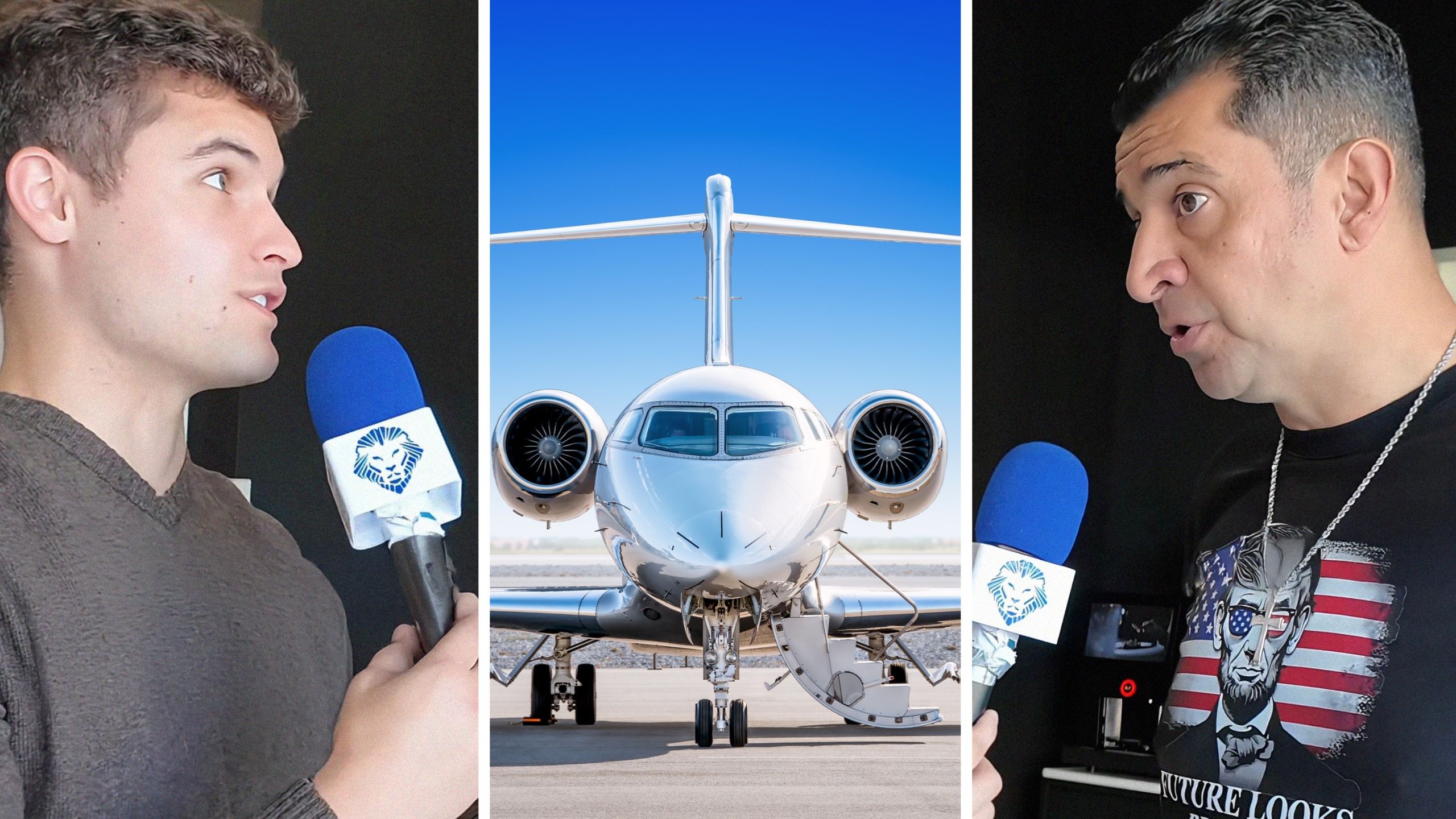
Private aviation is often sold as the height of convenience and comfort, but a recent story from entrepreneur Patrick Bet-David is raising fresh questions about who is actually in the cockpit. In a widely viewed social media clip, Bet-David described a nerve-wracking private flight to Aspen, Colorado, where severe turbulence during landing left passengers shaken. The real surprise came afterward, when an airport employee described the pilot in unsettling terms.
What Happened
Bet-David, host of the Valuetainment podcast, shared the experience after being asked whether recent private aircraft accidents make him nervous. He recalled a flight in which the plane hit heavy turbulence while landing in Aspen. When passengers asked the pilot for an explanation, the response was dismissive: the crew member called it normal. Later, a ground worker told Bet-David that the pilot had a reputation as a 'cowboy.' According to that employee, strong winds had kept every other aircraft from landing that day, yet this pilot touched down anyway. Bet-David said the encounter led him to research pilots more carefully before booking future flights. He also described a recent Learjet 60 crash as a tragic event.
Why This Matters
The anecdote touches on a broader safety debate. Federal data from the National Transportation Safety Board shows that scheduled airlines recorded just 0.16 accidents per 100,000 flight hours in 2024, with no fatalities. Charter operations, which include business jets and turboprops, logged 0.65 accidents per 100,000 hours and a fatal accident rate of 0.06. That means charter aircraft experienced an accident rate more than four times higher than scheduled airlines. The NTSB has also cited less stringent operating rules for chartered flights, along with issues such as improper loading and a shortage of certified flight dispatchers. Still, aviation remains statistically safe overall, and charter pilots must meet rigorous certification standards, including an airline transport pilot certificate requiring at least 500 hours of flight time.
Key Takeaways
- Patrick Bet-David described a turbulent private landing in Aspen where airport staff called the pilot a 'cowboy.'
- A ground employee said the pilot was the only one who landed at the airport that day because of difficult wind conditions.
- NTSB data indicates charter flights have a significantly higher accident rate than scheduled commercial airlines.
- Regulators have identified dispatch and operational control deficiencies in some charter operations.
- Charter pilots are still required to hold advanced certifications and substantial flight experience.
Conclusion
Flying privately is not inherently dangerous, but Bet-David's story highlights the value of knowing who is flying the plane. While commercial aviation maintains a strong safety record, charter operations face different regulatory standards and statistical risks. Passengers may want to ask more questions about pilot credentials and operational oversight before boarding a private jet. As reactions to the video showed, opinions vary widely—some see isolated incidents as reason for caution, while others note that everyday activities like driving carry their own dangers. The bottom line: awareness and research can help travelers make more informed choices.
Discussion
Join the conversation
Thoughtful reactions, questions, and follow-up ideas help shape the next story.