Introduction
Progressive Democrats captured a decisive mandate in the 2026 midterms, harnessing voter demand for bold structural change across war, technology, and labor policy. With expanded majorities in both chambers, the party's left flank is signaling that excuses for inaction are over.
What Happened
Progressive candidates and allies defeated long-standing incumbents and flipped key swing districts, driven by platforms opposing data centers, reining in AI influence, and ending perpetual conflict. Victories in Maine, Michigan, and Texas highlighted a voter appetite for healthcare expansion, housing investment, and an end to aggressive immigration enforcement.
Why This Matters
The election results represent a clear signal that voters prioritize transformative policy over incrementalism. Progressive leaders argue that the new majority must deliver on promises to curb corporate greed, protect civil liberties, and redirect federal spending toward people-powered programs rather than military escalation.
Key Takeaways
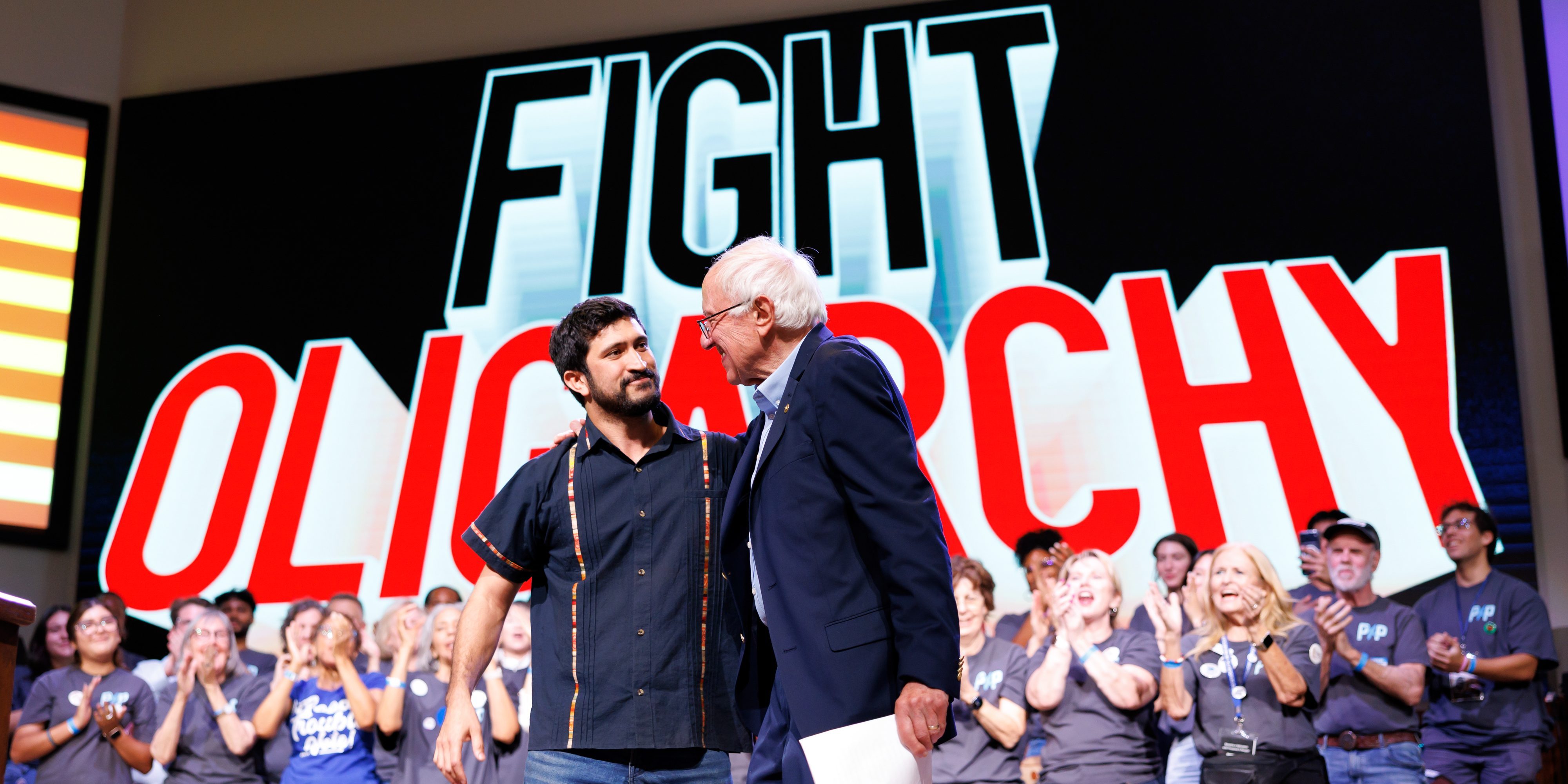
- Weekly legislative push: Progressive Caucus Chair Greg Casar and Senator Bernie Sanders framed the victory as a mandate to send popular bills to the president’s desk weekly, targeting price gouging, corporate corruption, and dark money.
- Maine and Michigan victories: Troy Jackson’s win over Susan Collins and working-class wins in swing districts were built on union backing and anti-data center platforms.
- Policy priorities: Medicare for All, ending corporate corruption, and reinning AI influence are poised to shape the first 10 House resolutions in the new term.
- Internal Democratic tensions: Moderates and progressives clash over strategy as Trump threatens vetoes and presses his agenda.
Conclusion
With the midterms concluded, the pressure is on Democratic leadership to translate voter momentum into concrete legislation. The coming two years will test whether the party can unite around a bold, people-first agenda or remain divided by corporate allegiances and presidential opposition.


Discussion
Join the conversation
Thoughtful reactions, questions, and follow-up ideas help shape the next story.