Introduction
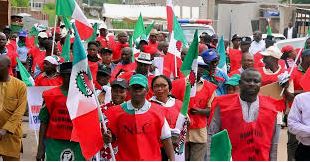
Public sector unions across Nigeria have commenced a three-day warning strike, highlighting growing discontent over economic policies and worker welfare. The action, which began on a fragile note, reflects the tension between labour groups and government over fuel pricing and salary concerns.
What Happened
The Joint National Public Service Negotiating Council orchestrated the strike to pressure authorities to slash petrol prices to N500 per litre and implement a wage award mitigating the impact of recent reforms. Compliance was inconsistent nationwide—while some regions recorded near-total shutdowns, others reported minimal disruption, and federal workers largely ignored the directive, continuing normal duties. Notably, lecturers in Lagos State government universities threatened an indefinite strike from midnight Friday over unfulfilled promises and broken agreements.
Why This Matters
Beyond immediate disruptions, the strike underscores the fragile relationship between Nigeria's labour movement and a government navigating the socioeconomic fallout of fuel subsidy removal and policy overhauls. The patchy compliance rates reveal deep regional divides and the challenge of mobilising unified action. For students and families, the threat of academic strikes in Lagos adds another layer of uncertainty to an already strained education system.
Key Takeaways
The warning strike, scheduled for October 2-4, 2026, stems from a September 21 memorandum to President Bola Tinubu demanding a N500 petrol price and immediate wage adjustments. Participation varied significantly: Akwa Ibom and some northern states reported over 65 per cent engagement, while Lagos, Ekiti, and Gombe recorded low or zero turnout. The outcome may influence future negotiations, especially as the JNPSNC—a coalition of 11 major unions—prepares for potential escalation if demands remain unmet.
Conclusion
As the strike unfolds, attention turns to whether the Federal Government will reconsider its position on fuel pricing and worker welfare. With state compliance uneven and academic institutions bracing for possible indefinite action, the coming days will test the durability of organised labour's leverage and the administration's responsiveness to persistent hardship across the public sector.


Discussion
Join the conversation
Thoughtful reactions, questions, and follow-up ideas help shape the next story.