Introduction
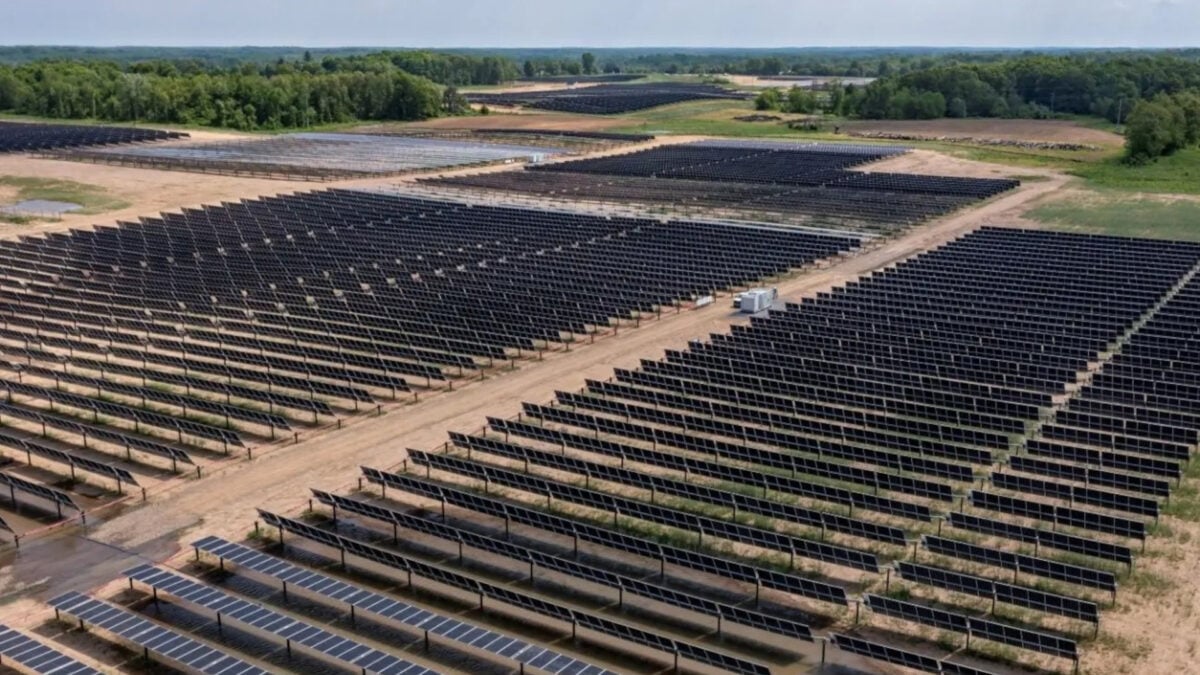
A significant shift is reshaping the U.S. renewable energy landscape: states that supported former President Donald Trump in the last presidential election are now leading the nation in new solar capacity additions. Despite historical policy challenges and political resistance, these red states account for a majority of all solar construction underway in 2026.
What Happened
A recent industry report found that eight of the top ten solar-building states in the first half of 2026 voted for Trump in the last election. Nationwide, the country added over 11 gigawatts of solar power in the second quarter alone—a 45% increase compared to the same period in 2025. Trump-winning states contributed roughly three-fourths of that total growth.
Texas and Florida, the two largest Trump-supporting states by population, claimed the top and third spots respectively. Other consistent solar leaders include Indiana, Ohio, and Arizona, while Michigan, Missouri, Arkansas, and Utah also cracked the top 10 in recent years.
Why This Matters
Republican-led states are embracing solar for reasons that extend beyond climate policy. Abundant land, streamlined permitting, and a pro-business climate have made these states attractive destinations for solar projects. The influx of electricity-hungry industries—particularly manufacturing and data centers—has further accelerated demand for quick-to-build, cost-effective solar power.
The recent expiration of federal tax credits for solar projects has created short-term uncertainty. Developers rushed to break ground before the July 2026 deadline, producing a temporary spike in installations. Without those credits, rooftop solar growth has begun to decline, and the long-term outlook depends on state-level policies and sustained electricity demand.
Michigan illustrates the complexity. The state climbed from 23rd place in 2024 to fourth in the first half of 2026, despite colder solar resources. A Democratic-led clean energy mandate requiring 50% renewable electricity by 2030, combined with data center expansion, has driven the surge. As experts note, solar economics depend heavily on local solar resource quality.
Key Takeaways
- Over 70% of new solar capacity in the first half of 2026 came from states that voted for Trump.
- Texas, Florida, Indiana, Ohio, and Arizona rank among the top solar-building states.
- Pro-business environments, cheap land, and easier permitting are the main drivers of solar growth in red states.
- The expiration of federal tax credits has created a short-term boom but raises questions about future solar expansion, especially for rooftop systems.
- State-level clean energy mandates and industrial demand can sustain solar growth even without federal incentives.
Conclusion
Solar energy is no longer confined to states with explicit green policies. Red states are becoming the new frontier for solar deployment, driven by economic opportunity rather than environmental mandates. Even as federal incentives fade, the combination of fast deployment times, strong electricity demand, and favorable regulatory conditions suggests the solar boom in these regions is likely to continue, at least in the near term.



Discussion
Join the conversation
Thoughtful reactions, questions, and follow-up ideas help shape the next story.