Introduction
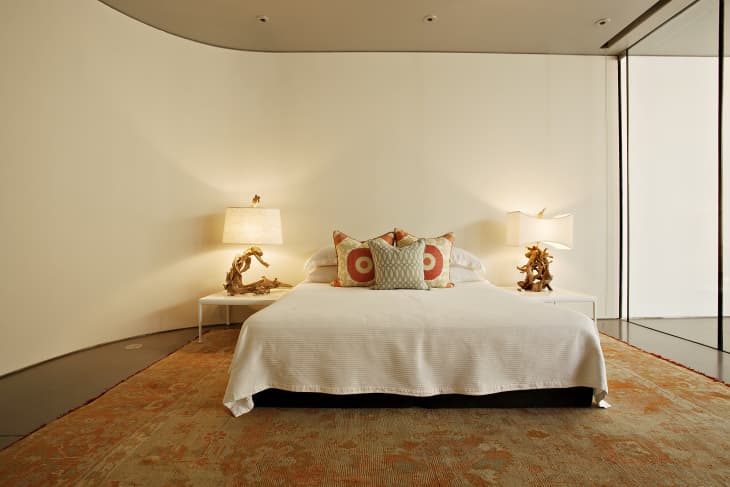
Minimalism has long been associated with stark white walls and clean lines, but a new direction is emerging that brings warmth and character into simple spaces. Restorative minimalism, as highlighted by Sherwin-Williams' Winter 2026 Trend Report, shifts the focus from bare interiors to homes that feel like peaceful retreats, rooted in nature and crafted with intention.
What Happened
According to industry insiders at Sherwin-Williams, homeowners are seeking ways to upgrade their spaces into calming sanctuaries without the need for full renovations. The report notes that simple fixes like decluttering and repainting can make a dramatic difference. Restorative minimalism is described as a blend of calming, nature-inspired colors, tactile textures, and materials that celebrate craftsmanship and organic imperfections, moving beyond the sterile aesthetic that once defined the style.
Why This Matters
This evolution in design matters because it addresses the growing desire for homes that support mental well-being and connection to the natural world. By moving away from sterile all-white rooms, residents can introduce depth and personality while maintaining a sense of order. The approach emphasizes how color, texture, and thoughtful curation can transform a space from draining to rejuvenating, all without major construction or expense.
Key Takeaways
Sherwin-Williams' 2027 Color of the Year, Deep Rooted (311-7DB), serves as an earthy foundation for neutral accents and rich upholstery. The palette also includes sage greens for accent walls or cabinetry, muted blues ideal for bedrooms and bathrooms, moody browns to ground living areas, and warm off-whites that soften daylight instead of stark pure white. Designers recommend pairing these tones with natural wood, handcrafted textiles, and curated displays of meaningful objects to achieve the restorative look.
- Start with a calming, nature-inspired base color.
- Incorporate tactile textures like linen, rattan, or reclaimed wood.
- Add accent pieces in sage green, muted blue, or deep earth brown.
- Replace stark white trim with warm, creamy off-whites.
- Declutter intentionally, keeping only items that add visual or emotional value.
Conclusion
Restorative minimalism offers a way to enjoy the simplicity and order of minimal design while infusing warmth, color, and texture that make a home feel alive. By focusing on nature-inspired palettes and tactile materials, anyone can create a space that feels both serene and personally meaningful. Ditch the sterility, embrace the in-between, and let your home rejuvenate you every day.





Discussion
Join the conversation
Thoughtful reactions, questions, and follow-up ideas help shape the next story.