Introduction
Basements often become forgotten storage zones or dated time capsules, but one DIYer turned his 1940s Milwaukee home's lower level into a vibrant 1970s-inspired retreat. By preserving original wood paneling and adding warm textures, the space now doubles as a cozy lounge and functional bar area, proving that thoughtful retro design can breathe new life into neglected square footage.
What Happened
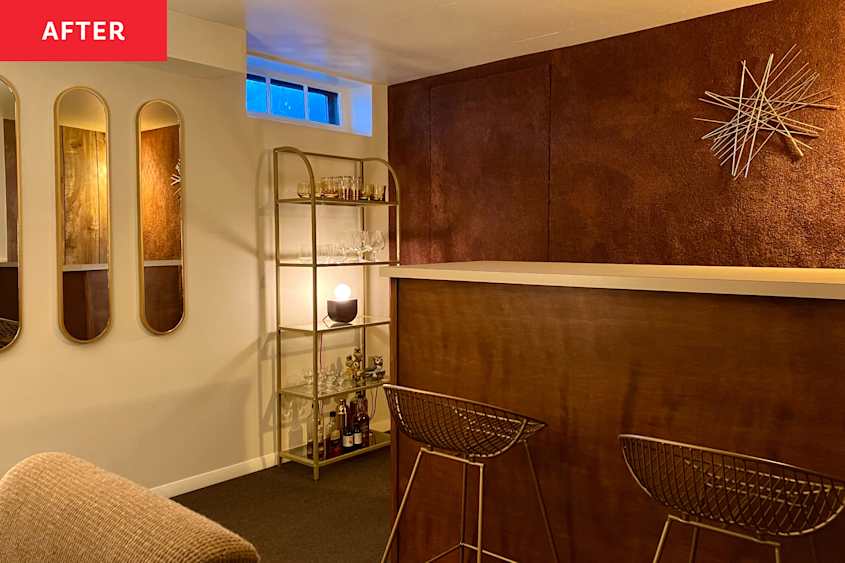
Marcel Dagenais faced a cold, cinder-block basement cluttered with forgotten items and rough-cut wood paneling. After visiting finished basements in Wisconsin homes that featured 1960s and 1970s bar spaces, he decided to invest $3,000 into a full redesign. The project included installing insulation, framing walls, adding a faux-stone fireplace, laying carpet on concrete floors, and even building a custom bar with hidden storage. Every design choice leaned into the midcentury vibe while making the basement functional for winter gatherings.
- Original wood paneling was retained as a design feature rather than removed.
- Insulation and carpet flooring were added to combat cold concrete.
- A custom DIY bar was built with hidden storage behind a hidden door.
- Vintage-style furniture and decor cemented the far-out 1970s aesthetic.
Why This Matters
Transforming a basement isn't just about aesthetics—it's about expanding usable living space and enhancing home comfort during colder months. This project shows how keeping original architectural elements, like wood paneling, can become a design feature rather than something to hide. It also demonstrates that a modest budget, strategic insulation, and vintage-inspired furnishings can together create a welcoming environment perfect for movie nights or cocktail parties when the weather turns cold.
Key Takeaways
- Preserving original wood paneling can anchor a retro design theme and save on materials costs.
- Adding carpet to walls and floors introduces warmth and hides imperfections on concrete substrates.
- A dedicated bar or gathering zone makes a basement more functional for social events.
- DIY elements, such as building a plywood bar, keep costs low while adding personal touches.
- Proper insulation and flooring choices are essential for making basements comfortable year-round.
Conclusion
Marcel Dagenais' basement redo proves that a dated, underused lower level can become a stylish, inviting part of the home without a massive budget. By leaning into the existing wood paneling, investing in comfort-focused upgrades, and sourcing vintage-inspired decor, anyone can create a retro-inspired sanctuary that feels both nostalgic and fresh. The result is a space that not only looks the part but also invites connection and coziness all winter long.









Discussion
Join the conversation
Thoughtful reactions, questions, and follow-up ideas help shape the next story.