Introduction
A missile strike on King Khalid International Airport in Riyadh early Saturday left 12 people dead and over 300 injured, marking one of the deadliest attacks on Saudi civil aviation in years. The incident has intensified regional tensions and triggered urgent diplomatic and military responses.
What Happened
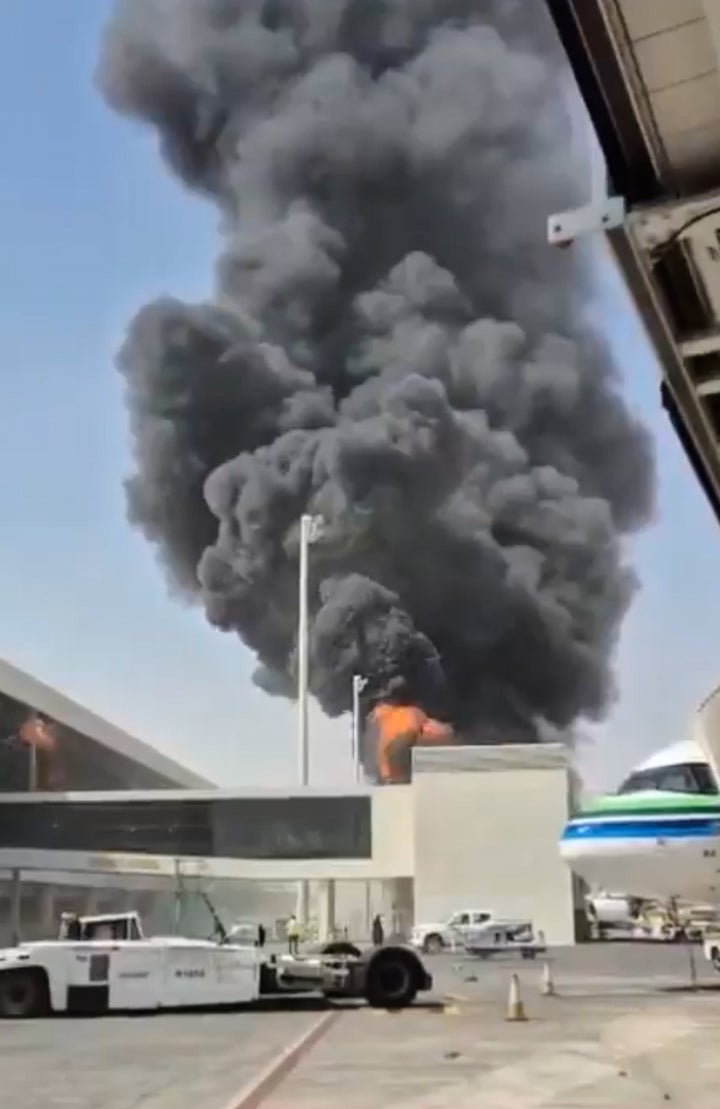
According to Saudi civil aviation authorities, a missile hit the airport complex housing terminals 3 and 4, which handle domestic flights. The attack occurred Friday evening, with footage showing thick black smoke and flames rising from the facility. Saudi officials confirmed the dead included citizens from multiple nations, while over 300 others were hospitalized, some in critical condition. A Saudi-led coalition blamed Iran-backed Houthi rebels in Yemen for the strike.
Why This Matters
The attack underscores the rapidly escalating conflict between Saudi Arabia and Houthi forces, now drawing in international actors. U.S. President Donald Trump said he was considering joining Saudi strikes against the rebels, while Secretary of State Marco Rubio condemned the attack as reprehensible. The incident has prompted major airlines to suspend flights, triggered EU aviation safety warnings, and raised concerns about regional oil market stability given Saudi Arabia's role as a top global energy exporter.
Key Takeaways
- At least 12 killed and over 300 injured in the Riyadh airport missile strike.
- Saudi authorities directly blame Iran-backed Houthi rebels, who have increased attacks across the kingdom.
- U.S. officials are weighing military support for Saudi Arabia, including possible direct involvement.
- Several major airlines have suspended flights to Riyadh, and the EU Aviation Safety Agency issued new airspace guidance.
- Saudi Arabia has requested air defense support from France, Britain, Pakistan, and Egypt due to dwindling interceptors.
Conclusion
With the conflict between Saudi-led forces and Houthi rebels intensifying, the Riyadh airport attack signals a dangerous escalation with far-reaching implications for regional security, air travel, and global energy markets. Observers will be watching closely for further military responses and diplomatic efforts to de-escalate the situation.





Discussion
Join the conversation
Thoughtful reactions, questions, and follow-up ideas help shape the next story.