Introduction
The ongoing conflict between Russia and Ukraine has entered a dangerous new phase, with recent attacks targeting civilian transport and energy infrastructure. A deadly strike on a bus stop in eastern Ukraine killed at least 30 people, while the capital Kyiv grapples with worsening power outages as winter sets in.
What Happened
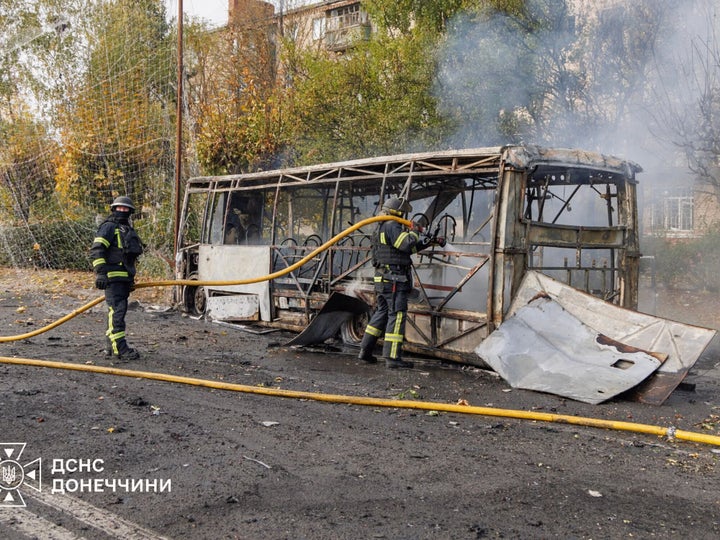
On Thursday, a Russian guided bomb exploded next to a bus stop in Kramatorsk, Donetsk region, killing 30 and injuring others. Authorities said rescue efforts were hampered by subsequent Russian drone strikes. The attack prompted the suspension of public transport in the area. Earlier, a separate missile strike in Pryluky killed 22 people, including five children, and Ukrainian President Volodymyr Zelenskyy visited the site with U.K. Foreign Secretary Ed Miliband, warning that Russia will likely escalate daily aerial attacks as cold weather approaches.
Why This Matters
The back-to-back strikes underscore a strategic shift toward targeting civilian infrastructure, from public transportation to power grids. Kyiv's energy provider DTEK announced emergency outages, urging residents to prepare backup power and emergency kits. The attacks also ripple beyond Ukraine, prompting diplomatic moves such as Turkish Foreign Minister Hakan Fidan's proposal to protect Black Sea shipping and Lithuania's deployment of troops to its border with the Russian Kaliningrad exclave.
Key Takeaways
- At least 30 people died in the Kramatorsk bus strike, with rescue operations complicated by ongoing drone threats.
- Kyiv and other regions face rolling blackouts as Russia intensifies strikes on energy facilities.
- Ukrainian leaders are urgently seeking additional air defense support from NATO and allies, while civilians are advised to stockpile water, charge devices, and prepare for prolonged winter power disruptions.
Conclusion
The latest wave of attacks reveals the deepening humanitarian and energy crisis in Ukraine as winter approaches. With civilian deaths rising and infrastructure under sustained pressure, the international community's response, particularly in air defense supplies and winter aid, will be critical in determining how much further the population can withstand the ongoing assault.





Discussion
Join the conversation
Thoughtful reactions, questions, and follow-up ideas help shape the next story.