Introduction
The Middle East remains a focal point of global energy security and geopolitical tension, and recent events along the Saudi energy corridor have intensified scrutiny on both state actors and proxy groups. From pipeline strikes to diplomatic overtures, the region's dynamics are shifting rapidly.
What Happened
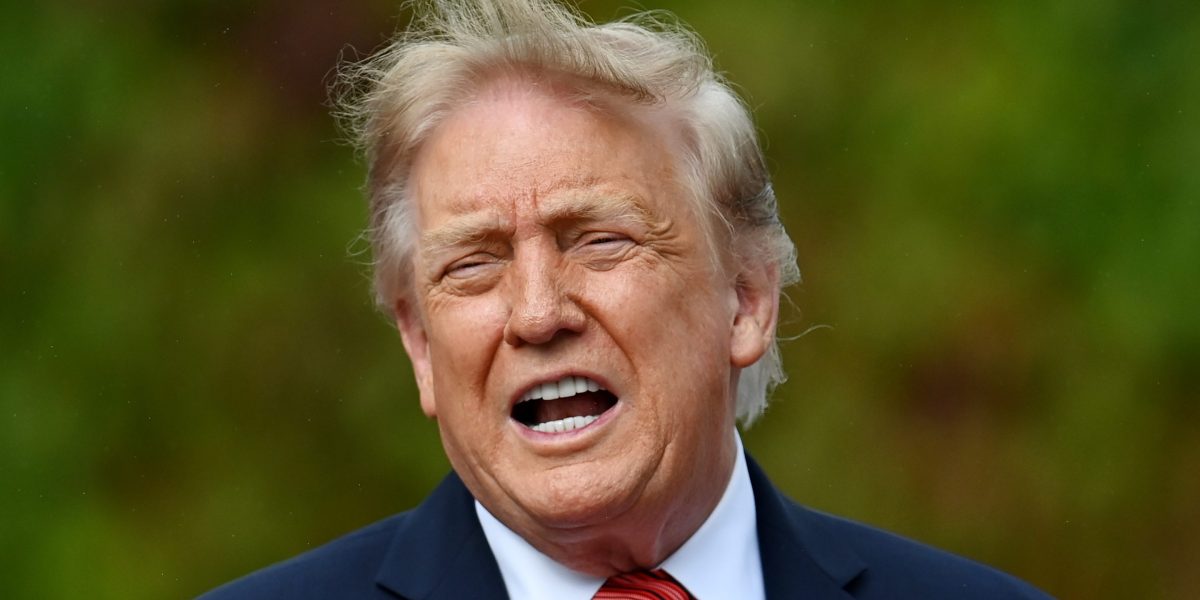
Iraqi officials confirmed that attacks targeting a major Saudi oil pipeline originated from within their territory, prompting a government pledge to investigate further. In response, Iraq shut down two key border crossings with Iran, halting all passenger and commercial traffic until further notice. Meanwhile, U.S. President Donald Trump suggested Iran was likely behind the strike, stating they were on the balls of their feet, while also noting that Houthi rebels had indicated they prefer not to engage directly with the United States. Trump, currently in Dublin for diplomatic engagements, remarked that his administration had held discussions with the Houthis, who conveyed a desire to avoid conflict and allow most ships to pass through critical waterways. On the Saudi side, the government temporarily halted operations on its cross-country oil pipeline as a precaution, citing the security situation. Separately, Iran and the United Arab Emirates held rare direct talks on the sidelines of the BRICS summit in New Delhi, signaling an effort to maintain regional dialogue amid escalating tensions. Additional developments included Iraq's dismissal of a military commander linked to the operations that launched the Saudi attacks, a surge in crude prices above $100 per barrel, and a separate oil spill in the Gulf of Oman that environmental groups say has doubled in size, threatening protected coastal areas.
Why This Matters
The ripple effects of the Saudi pipeline disruption extend well beyond the region. Saudi Arabia's oil exports through the Red Sea have more than doubled since the Iran war erupted, making the stability of this route critical for global energy supplies. With crude prices climbing and Red Sea shipping already under strain, any further disruption could influence fuel costs worldwide. Diplomatic channels are also in motion. The Iran-UAE meeting highlights a delicate balancing act, as Gulf states navigate relationships with Western partners while engaging Tehran. Meanwhile, the Houthi outreach suggests a potential de-escalation path, though the group's past actions and the involvement of Iran-backed militias complicate the picture. The closure of Iraq-Iran border crossings further tightens the logistical landscape for both trade and humanitarian traffic. On the humanitarian and environmental front, the growing oil spill off the Oman and Iran coasts adds an ecological dimension to the crisis, endangering protected marine habitats and underscoring the broader environmental risks of heightened regional conflict.
Key Takeaways
- Attacks on a Saudi oil pipeline were traced to Iraqi territory, prompting border closures and official investigations.
- Trump's comments reflect a dual track: blaming Iran while noting Houthi overtures to avoid direct conflict.
- Iran and the UAE are pursuing diplomatic engagement, even as proxy tensions persist.
- Crude prices remain elevated, and Red Sea shipping faces continued uncertainty.
- Environmental concerns mount as an oil spill in the Gulf of Oman expands, threatening protected ecosystems.
Conclusion
As the Middle East navigates a complex mix of military actions, diplomatic overtures, and energy market pressures, stakeholders from policymakers to energy consumers will be watching closely how Iran, its proxies, and regional partners respond. The coming weeks will likely reveal whether these diplomatic gestures translate into sustained de-escalation or if further disruptions reshape the regional and global energy landscape.



Discussion
Join the conversation
Thoughtful reactions, questions, and follow-up ideas help shape the next story.