Introduction
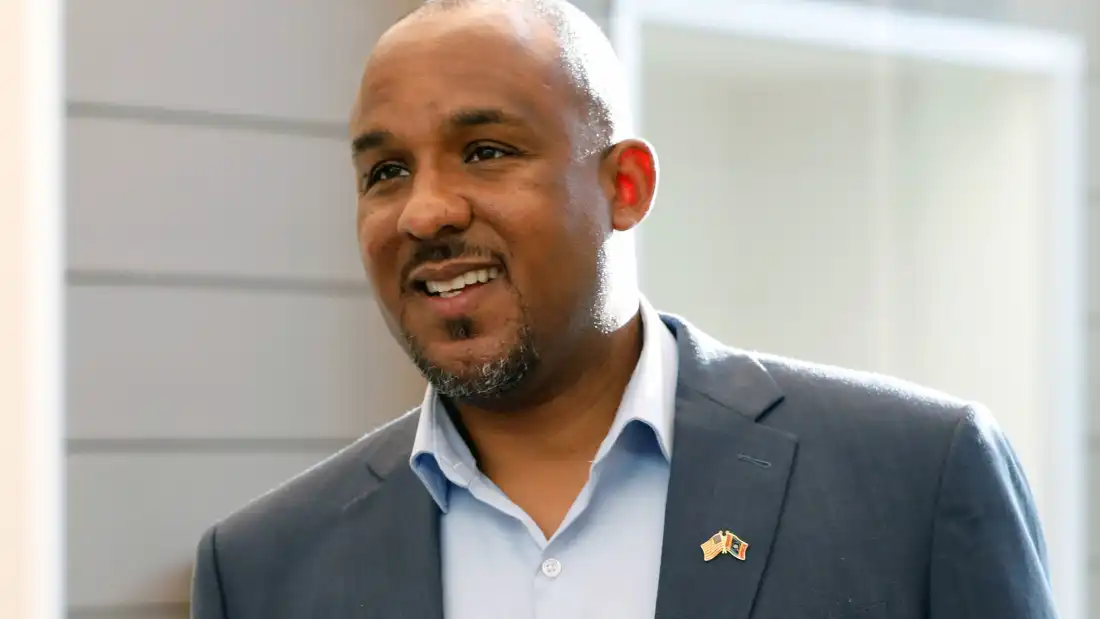
Democrat Scott Colom has secured Mississippi's U.S. Senate seat after an extended ballot count, defeating incumbent Republican Cindy Hyde-Smith by a narrow margin. The victory makes Colom the first Black senator to represent Mississippi in roughly 150 years and expands the Democratic majority in the incoming Congress to 55 seats, with Alaska's contest still unresolved. In the same news cycle, the White House issued a stern warning to Democratic lawmakers planning oversight investigations, while international diplomats worked toward a prisoner exchange between Russia and Ukraine.
What Happened
Colom's campaign centered on kitchen-table issues and voter frustration over the continuing war in Iran, according to reporting from the Gulf States Newsroom and Mississippi Public Broadcasting. Hyde-Smith leaned on her legislative record and former President Donald Trump's endorsement, a strategy that analysts say is losing its potency. The result suggests Democrats may find new openings in Southern states that have long been Republican strongholds.
Separately, White House Counsel Will Scharf sent a letter to Representative Robert Garcia, who is expected to chair the House Oversight Committee next year. Scharf warned that Democratic investigations into administration officials could amount to "blatant criminality" and described potential subpoenas as abusive threats. The letter stated that the administration will not be intimidated by what it called unlawful processes driven by animus or pettiness. Garcia responded that Democrats will not be deterred by pressure from the Justice Department or Trump's legal team.
On the foreign policy front, Russia and Ukraine agreed to a major prisoner swap following two days of negotiations hosted by the United States in Abu Dhabi. Trump's emissaries, Jared Kushner and Steve Witkoff, traveled to Moscow to meet with Russian President Vladimir Putin and discuss pathways to end the war in Ukraine. European leaders plan to join the discussions afterward and meet with Ukrainian President Volodymyr Zelenskyy in Ireland, reflecting concerns about being excluded from security talks affecting the continent.
Michigan also made history by electing Abdul El-Sayed, the first Muslim American to win a U.S. Senate seat. The 42-year-old progressive called for bold Democratic leadership, an end to the war in Iran, Medicare for All, and the abolition of ICE, while signaling a willingness to work across the aisle.
Why This Matters
Colom's election breaks a generational barrier in a state with a complex civil rights history, and it arrives as a Supreme Court decision on the Voting Rights Act threatens to reduce Black representation in Congress. Although Democratic gains softened the projected decline, an NPR analysis indicates that Black membership in the House is still expected to fall in the next session.
The White House letter signals a likely legal showdown over congressional oversight. By warning that investigations could cross into criminal territory, the administration is setting the stage for court battles over subpoenas and executive privilege. Democrats appear prepared to fight those challenges, suggesting the next Congress could be defined by intense confrontation between the legislative and executive branches.
The Russia-Ukraine developments carry global stakes. Any security arrangement that excludes European partners risks alienating allies, while a prisoner swap could offer a rare moment of cooperation in a prolonged conflict. Meanwhile, El-Sayed's victory adds a new progressive voice to the Senate and highlights shifting demographics within the Democratic caucus.
Key Takeaways
- Scott Colom defeated Cindy Hyde-Smith to become Mississippi's first Black senator in nearly 150 years.
- The Democratic majority in the new Congress will stand at 55 seats, pending the outcome in Alaska.
- The White House warned Democrats that oversight investigations could be treated as unlawful or criminal.
- Russia and Ukraine agreed to a significant prisoner exchange after U.S.-mediated talks in Abu Dhabi.
- Abdul El-Sayed became the first Muslim elected to the U.S. Senate, representing Michigan.
- New vehicle prices in the United States reached a record average of $51,109.
Conclusion
From a historic Senate breakthrough in Mississippi to a brewing constitutional clash between the White House and Capitol Hill, the political landscape is shifting quickly. Voters in the South sent a clear signal that traditional party dynamics may be changing, while the administration drew a firm line against congressional investigations. Abroad, diplomacy in Abu Dhabi and Moscow could shape the future of the war in Ukraine, and new voices like Abdul El-Sayed will influence the direction of the Democratic Party. Together, these stories point to a consequential period in American politics with effects likely to extend well beyond the next election cycle.
Discussion
Join the conversation
Thoughtful reactions, questions, and follow-up ideas help shape the next story.