Introduction
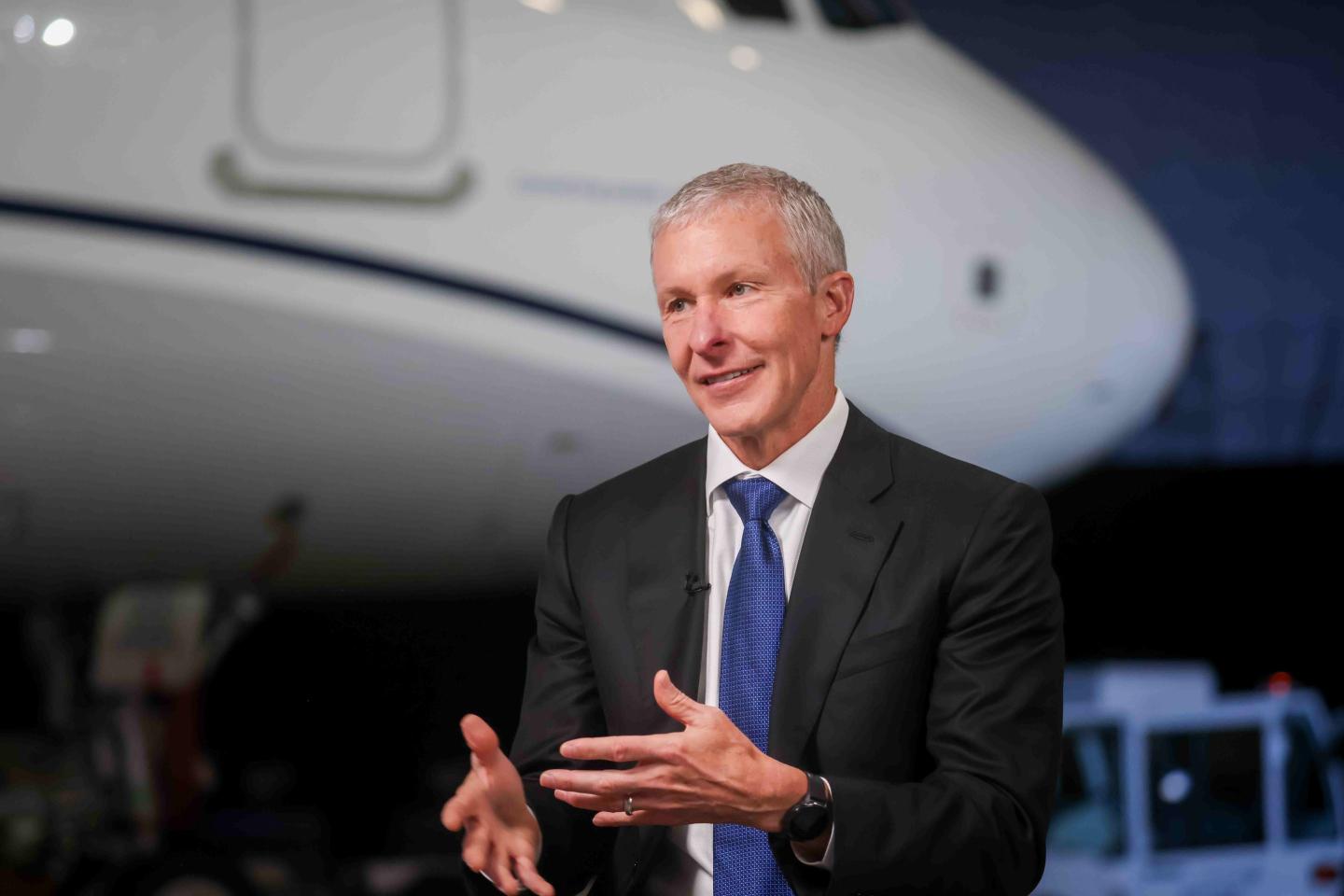
United Airlines CEO Scott Kirby is reshaping what productive leadership looks like by dramatically cutting meeting time and making deep work a priority. His approach combines strict time limits, a firm no-reading-slides rule, and an intense daily reading habit that together keep him focused on future opportunities rather than getting stuck in daily operations.
What Happened
Kirby has set a hard cap of four hours of meetings per day, insisting that presentations shared in advance should never be read aloud during the session. He prefers to discuss the material rather than have it read aloud. Beyond meetings, Kirby dedicates roughly three hours each day to reading—covering The Wall Street Journal, The New York Times, and a rotating selection of books and magazines. He views this as essential for connecting ideas and spotting opportunities that aren’t obvious to others. His routine also includes waking at 5:30 AM, exercising, and starting the day with focused reading before most flights are even airborne. Kirby’s philosophy extends beyond his own schedule: other airline leaders, including Southwest’s Bob Jordan and Delta’s Ed Bastian, have similarly pushed back against packed calendars, arguing that too much time in meetings distracts from the real work of leading.
Why This Matters
For executives and managers across industries, Kirby’s approach offers a counterpoint to the culture of constant connectivity and back-to-back meetings. By protecting time for reflection and reading, he creates space to think strategically about United’s growth plans, which include fleet upgrades, international expansion, and rolling out Starlink Wi-Fi across the network. The broader industry trend, highlighted by Jordan’s commitment to clear Wednesday through Friday afternoons and Bastian’s advocacy for 10-minute meetings, suggests a shift toward recognizing that leadership effectiveness comes from focused thought, not just visible busyness. In a competitive airline market, the ability to anticipate trends and allocate time toward innovation may be a decisive advantage.
Key Takeaways
- Scott Kirby limits meetings to four hours a day and bans reading slides during sessions, requiring materials to be reviewed beforehand.
- He spends about three hours daily reading industry news, biographies, and science fiction to stay ahead of emerging trends.
- Kirby frames his CEO role as thinking hard rather than working hard, directing energy toward future opportunities rather than past metrics.
- Major airline CEOs including Jordan and Bastian are also trimming meeting lengths and protecting afternoon blocks for deep work.
- Kirby’s airline is simultaneously upgrading its fleet, expanding internationally, and implementing Starlink Wi-Fi as part of a forward-looking growth strategy.
Conclusion
Scott Kirby’s deliberate focus on reading, strategic thinking, and trimmed meeting schedules illustrates a growing recognition among top airline leaders that true productivity stems from intentional time use, not endless meetings. As the industry competes on customer experience, fleet modernization, and operational innovation, Kirby’s approach may offer a model for how leaders can protect the mental space needed to drive meaningful progress.



Discussion
Join the conversation
Thoughtful reactions, questions, and follow-up ideas help shape the next story.