Introduction
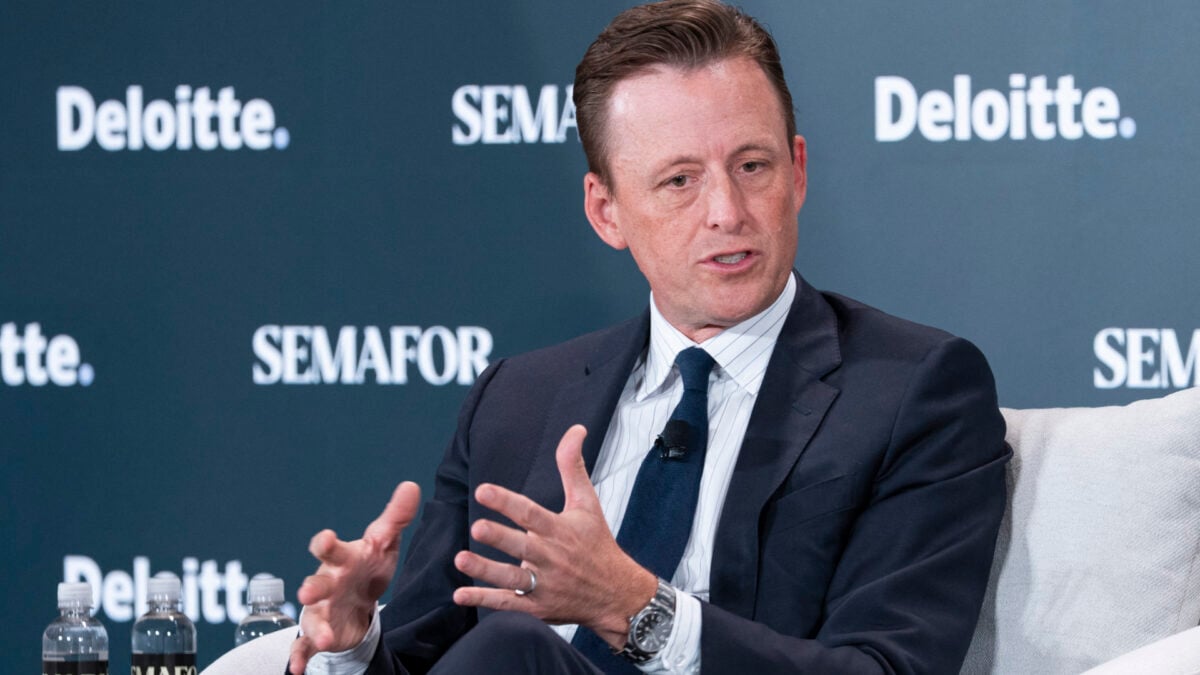
Sean Cairncross is leaving his position as the White House's top cybersecurity adviser, creating uncertainty in the administration's digital security leadership at a time of heightened concern over systemic technology failures. The departure was disclosed through an official White House statement and reported by major outlets, though the precise reason for his exit has not been publicly confirmed.
What Happened
Cairncross served as the National Cyber Director, a Senate-confirmed role that functions much like a national security advisor but focuses specifically on cyberspace and private-sector coordination. According to reporting from The New York Times, the White House announced his departure on Thursday. Kirsten A. Davies, who currently serves as the Defense Department's chief information officer, will step in as acting director, according to a White House source cited by NBC News.
The timing is politically delicate. President Donald Trump's nominee to lead the Cybersecurity and Infrastructure Security Agency, Michael LoSapio, has faced steep odds in the Senate after avoiding direct answers about the January 6, 2021 attack on the Capitol. While LoSapio's nomination is separate from the National Cyber Director role, the situation suggests the administration is struggling to move its cybersecurity appointees through a chamber that will shift to Democratic control in January 2027.
Axios, citing two White House sources, reported that White House Chief of Staff Stephen Miller pushed Cairncross out, alleging he did not possess the necessary cyber credentials for the job. An administration official told the outlet that Davies may face an easier confirmation path because she has already been cleared by the Senate once before.
Why This Matters
The National Cyber Director's office is primarily advisory, but it plays a central role in aligning federal cybersecurity strategy with private industry. With Cairncross gone, the White House loses a key voice on artificial intelligence policy; he had publicly supported rapid AI development in partnership with the private sector.
His exit also comes on the heels of a difficult week for digital infrastructure, including disruptions to Microsoft 365 services, Federal Aviation Administration routing systems, and banking operations at Chase. No direct link between Cairncross and those outages has been established, and officials have not suggested he bears responsibility. Still, the cluster of failures has intensified debate over whether rushed, AI-driven software updates are introducing new vulnerabilities faster than defenders can patch them.
Some Wall Street executives and National Security Agency officials have told Congress that automated systems are flagging so many potential flaws that the pressure to deploy immediate patches may be causing broken code and service interruptions. However, any specific connection between those outages and Cairncross's tenure remains unreported.
Key Takeaways
- Sean Cairncross is stepping down as National Cyber Director, a Senate-confirmed White House cybersecurity role.
- Kirsten A. Davies, the Defense Department's chief information officer, will serve as acting director.
- Reports indicate White House Chief of Staff Stephen Miller forced Cairncross out over concerns about his cyber credentials, though the official reason remains unclear.
- The administration's CISA nominee, Michael LoSapio, faces uncertain Senate prospects after his handling of questions about the January 6 Capitol attack.
- Democrats are set to control the Senate in January 2027, potentially making future cybersecurity confirmations more difficult.
- Cairncross advocated for fast-paced AI development with industry collaboration, and his departure leaves that policy stance without its leading internal champion.
- Recent outages affecting Microsoft 365, FAA systems, and Chase banking have raised questions about AI-fueled updates, but no direct tie to Cairncross has been reported.
Conclusion
Cairncross described his service as a privilege and said he was proud of efforts to strengthen national cybersecurity, protect critical infrastructure, and position the United States to lead in artificial intelligence. With Kirsten Davies now stepping into the acting role, the administration must navigate a crowded agenda of cyber threats, AI policy, and Senate politics without its Senate-confirmed cyber chief in place. How quickly a permanent successor is named, and whether that nominee can win confirmation, will likely shape the White House's ability to respond to the next major digital incident.
Discussion
Join the conversation
Thoughtful reactions, questions, and follow-up ideas help shape the next story.