Introduction
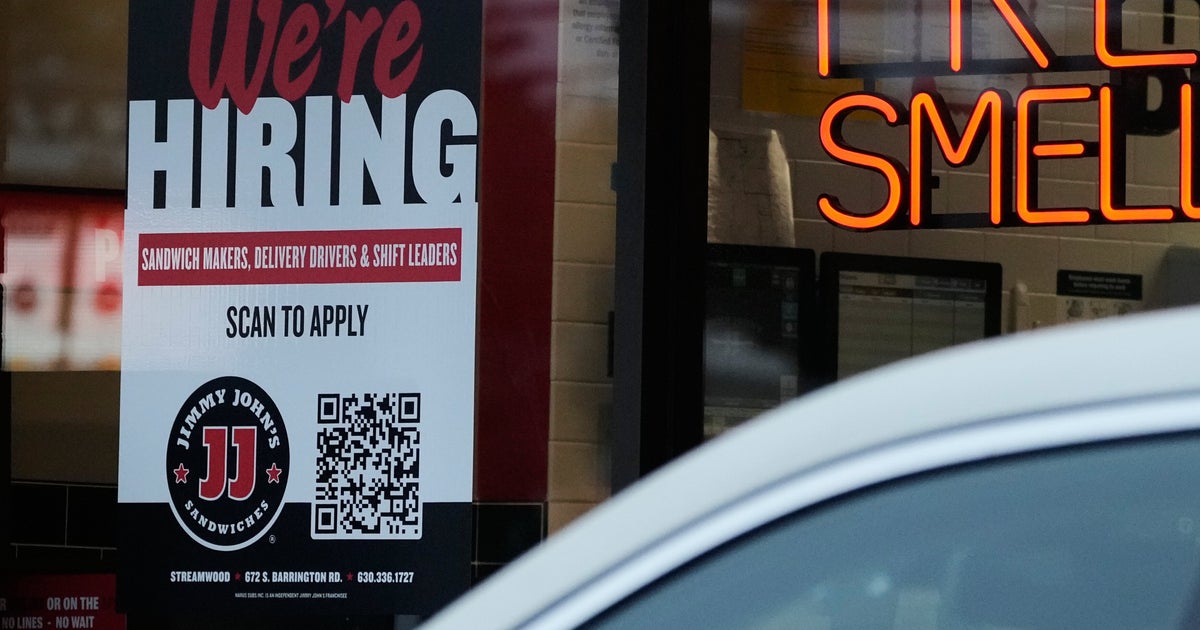
The latest U.S. jobs report arrives as the nation heads into a critical election period, offering a snapshot of labor market health amid persistent economic pressures. Employers added a modest number of positions, while the unemployment rate moved higher, reflecting ongoing challenges for workers and businesses alike.
What Happened
According to the government, U.S. employers added 29,000 jobs in September, a slowdown from the previous month's revised figure. The unemployment rate rose to 4.2 percent from 4.1 percent in August, missing economist expectations of 90,000 new hires. Labor Department revisions also trimmed 60,000 jobs from the combined July and August totals, while average hourly wages increased 3 percent year over year, the smallest gain since May 2021.
Why This Matters
The report underscores a labor market cooling at a time when voters are weighing economic performance at the polls. Public sentiment remains cautious, with consumer confidence at its lowest point in over a decade and only a fraction of adults approving of the administration's handling of living costs. Glassdoor data shows worker confidence at its weakest since 2016, as anxieties around layoffs and automation persist.
Key Takeaways
- Job growth slowed to 29,000 in September, well below the 90,000 forecast by economists.
- The unemployment rate climbed to 4.2 percent, up from 4.1 percent in August.
- Wage growth remained modest at 3 percent annually, the weakest since mid-2021.
- Revisions subtracted 60,000 jobs from the previous two months' totals.
- Voter sentiment and consumer confidence are at multi-year lows ahead of the midterm elections.
Conclusion
As lawmakers and voters parse the data, the report highlights a labor market that is losing momentum just as political stakes rise. With inflation, interest rates, and global tensions still shaping the economic landscape, the coming months will likely see continued debate over how best to support workers and sustain growth.


Discussion
Join the conversation
Thoughtful reactions, questions, and follow-up ideas help shape the next story.