
Introduction
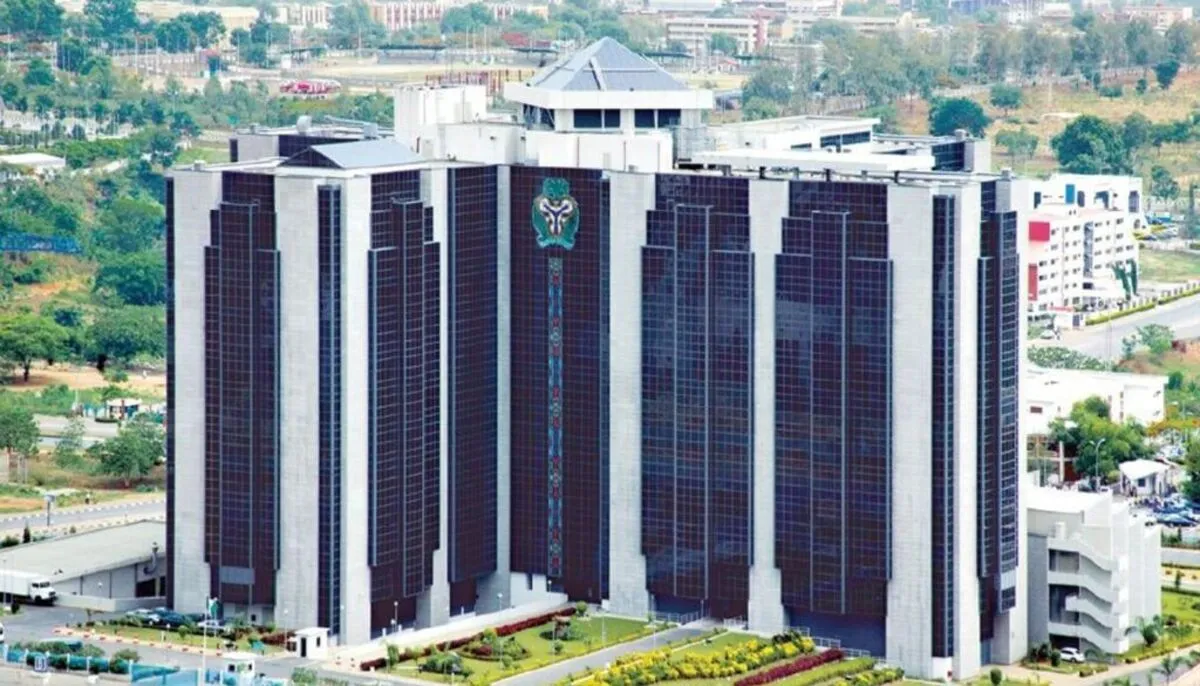
The Socio-Economic Rights and Accountability Project has initiated legal proceedings against the Independent National Electoral Commission seeking greater clarity on political financing rules ahead of Nigeria's 2027 general elections. The action highlights growing demands for transparency in the electoral process as candidates and parties prepare for the vote.
What Happened
SERAP filed a suit numbered FHC/ABJ/CS/2114/2026 at the Federal High Court in Abuja, represented by lawyers Oluwakemi Agunbiade, Kehinde Oyewumi, Andrew Nwankwo and Valentina Adegoke. The organisation is requesting the court compel INEC to confirm whether it has exercised its authority under Section 91 of the Electoral Act 2026 to establish limits on political contributions, and to specify those limits if they exist. The lawsuit also demands that INEC disclose the measures it has put in place to monitor, investigate and enforce compliance with political contribution and campaign expenditure limits.
Why This Matters
Without public access to contribution limits and transparent enforcement mechanisms, voters, journalists and civil society organisations face significant obstacles in effectively scrutinising political financing. SERAP emphasises that greater disclosure is essential to ensuring the 2027 elections are conducted on a level playing field and that citizens can make free and informed political choices. The group further argues that constitutional provisions require INEC to examine party finances and conduct investigations where necessary, and that undisclosed or excessive financial resources risk distorting the political process.
Key Takeaways
- INEC's contribution limits under Section 91 must be disclosed, along with political parties' financial statements and audited accounts from 2023 to 2025.
- The commission must detail its monitoring strategy for political spending, covering cash and in-kind contributions, digital and social media advertising, political consultant fees and third-party campaign costs.
- The case's outcome could influence the scope of electoral oversight in the lead-up to 2027.
Conclusion
As political parties and candidates prepare for the upcoming vote, the court's response to SERAP's requests will likely shape the trajectory of campaign finance accountability in Nigeria. Enhanced transparency and robust enforcement mechanisms are crucial to preserving electoral integrity and ensuring every voter participates on equal footing.

Discussion
Join the conversation
Thoughtful reactions, questions, and follow-up ideas help shape the next story.