Introduction
South Africa's AI policy framework has hit a major pause following the discovery of fabricated academic references in the draft document. The controversy, which has triggered disciplinary proceedings and a high-level review, underscores the risks of unchecked AI use in public policy-making.
What Happened
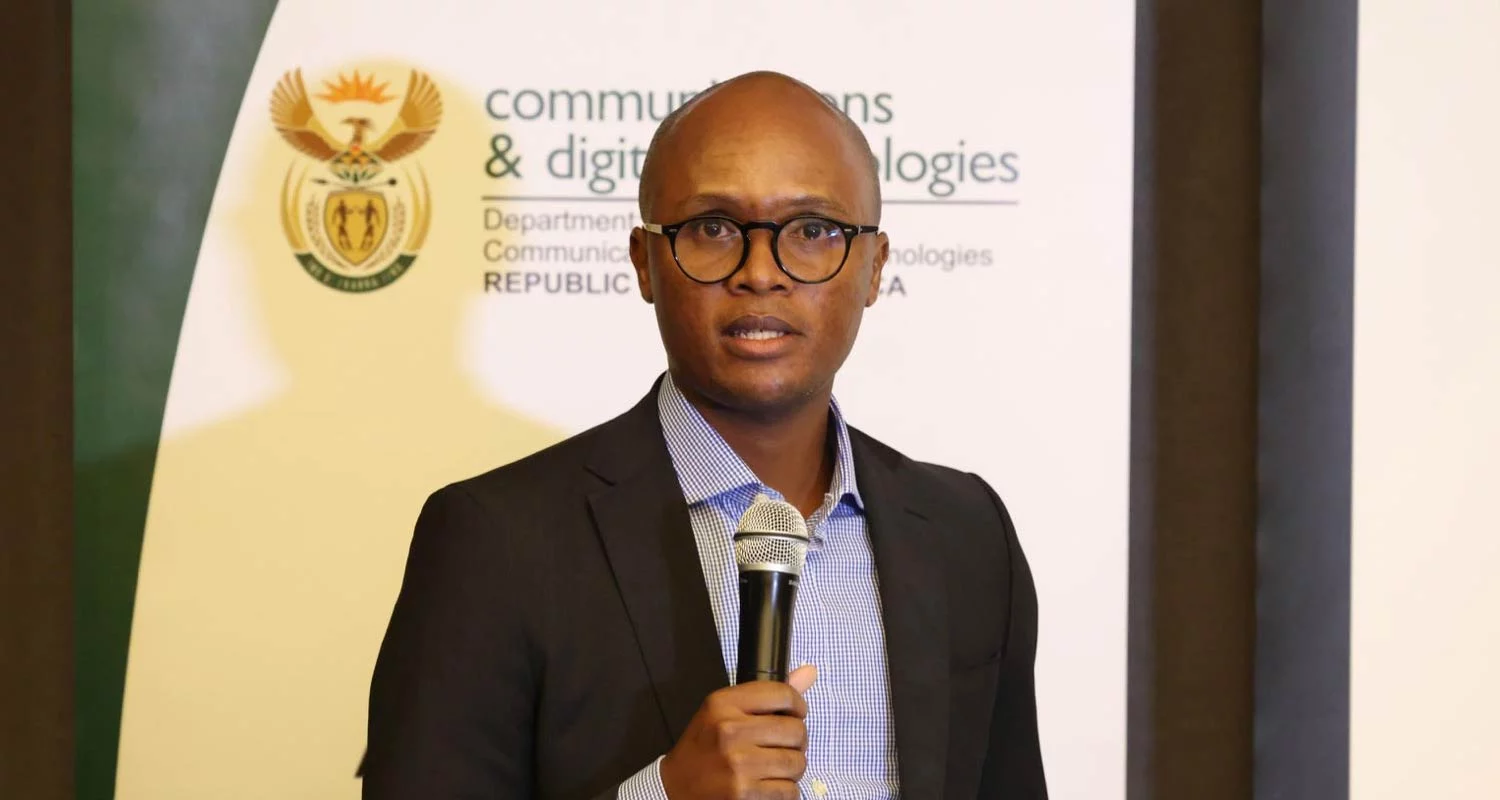
Five months after fictitious citations were uncovered, South Africa withdrew its draft national AI policy. Two communications department officials were suspended for failing to disclose AI-assisted material that contributed to the hallucinated references. One official has since resigned, while disciplinary proceedings continue against the other. Minister Solly Malatsi confirmed the department could not allow the stain to slide, emphasizing the withdrawal, though damaging, was necessary to protect the integrity of the policy process.
Why This Matters
The scandal has embarrassed the administration's goal of positioning South Africa as a continental leader in AI governance. Beyond the immediate embarrassment, it reveals systemic weaknesses in how generative AI is vetted within government workflows. The episode has sparked broader debate about ethical safeguards, transparency, and the need for robust oversight mechanisms when AI tools are integrated into public policy development.
Key Takeaways
- The draft AI policy was withdrawn after fabricated academic references were discovered.
- Two officials faced suspension; one resigned, the other remains under disciplinary review.
- Minister Malatsi has set a target to finalize a replacement policy by March 2027.
- Public consultation is expected to begin in April, involving civil society, private sector, and residents.
- The replacement policy must include ethical safeguards and clear avenues for redress if AI is misused.
Conclusion
With the independent AI review panel led by Professor Benjamin Rosman working to restore confidence, the government faces pressure to deliver a credible, transparent policy that balances innovation with accountability. The coming months will test whether South Africa can turn this setback into a turning point for responsible AI governance across the continent. Stakeholders await the public consultation phase as a critical opportunity to shape a policy that truly serves the public interest.



Discussion
Join the conversation
Thoughtful reactions, questions, and follow-up ideas help shape the next story.