Introduction
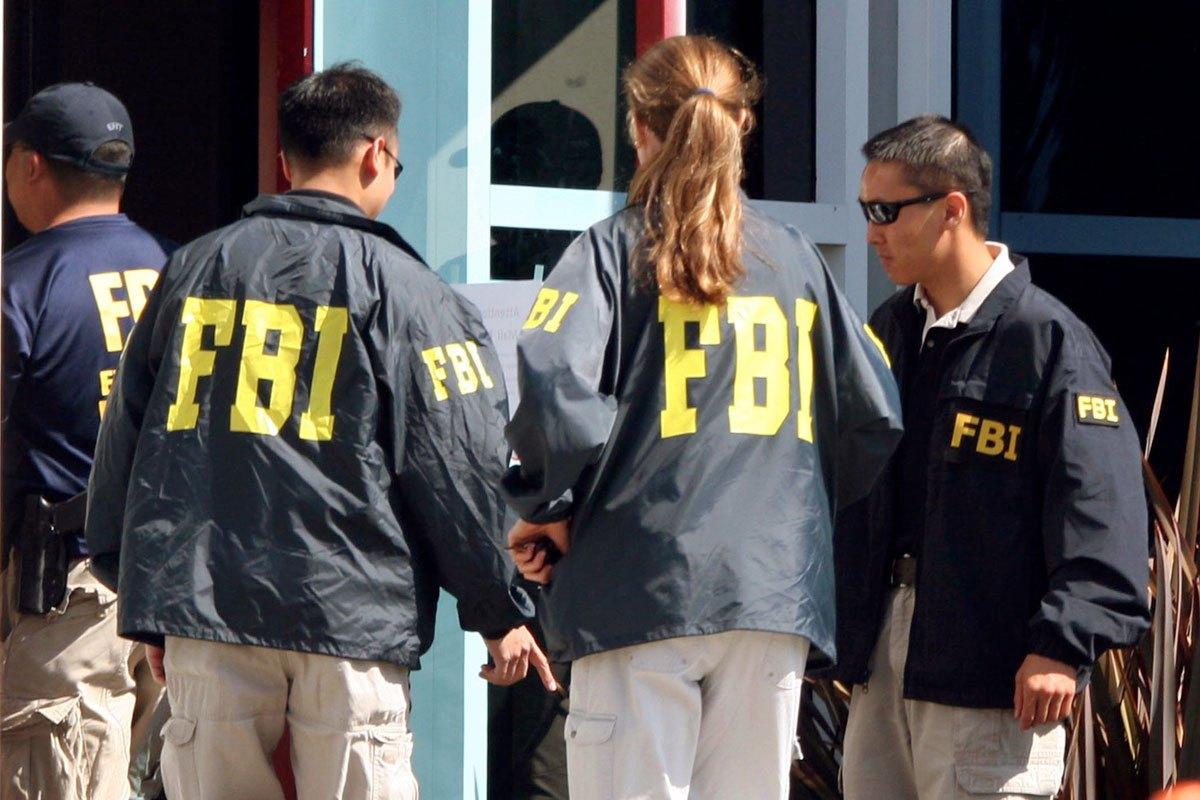
The South African government has extradited six Nigerian nationals to the FBI, concluding a high-profile romance scam case that spanned five years and crossed multiple continents. The suspects are accused of orchestrating a sophisticated scheme that preyed on emotional trust, defrauding more than 100 American victims of over $6.2 million.
What Happened
In 2021, South African authorities, working alongside the FBI, the U.S. Secret Service and Interpol, arrested the six Nigerians suspected of running a transnational romance fraud operation. The group allegedly built online relationships with victims—including pensioners and businesspeople—before manipulating them into sending money, ultimately amassing more than R100 million (approximately $6.2 million). The Black Axe, a transnational organized criminal syndicate, is alleged to be behind the scheme, and the suspects face charges of wire fraud and money laundering. The handover marks the culmination of a complex investigation that began with digital tips and ended with physical extradition from a Cape Town correctional facility.
Why This Matters
The case underscores a shifting frontier in the cybercrime economy, where offenders don't need malware or stolen credentials to cause massive financial harm. Instead, romance fraud exploits human emotion, using social platforms and messaging services to manufacture identities, build credibility, and extract money across borders. Unlike traditional cyberattacks that target software vulnerabilities, these scams target trust. The five-year gap between arrest and handover also reveals the logistical challenges of coordinating international justice in the digital age. With U.S. data showing nearly 50,000 victims lost over $1.3 billion to romance scams in 2025, the extradition signals a growing commitment to cross-border accountability.
Key Takeaways
- Six Nigerian nationals were extradited to the FBI after a 2021 arrest in South Africa.
- The scam allegedly defrauded over 100 Americans of $6.2 million, targeting pensioners and businesspeople.
- The Black Axe syndicate is accused of orchestrating the operation.
- Romance fraud bypasses technical security by manipulating emotions rather than exploiting code.
- International cooperation between South African Hawks, the FBI and Interpol was critical to the case.
- U.S. romance scam losses exceeded $1.3 billion in 2025, affecting nearly 50,000 victims.
Conclusion
The extradition of these six suspects represents more than a single case closure—it highlights the increasing urgency of addressing romance fraud as a serious transnational threat. As digital platforms continue to lower the barrier for identity fabrication, law enforcement partnerships across continents will be essential to protect victims and deter future schemes. Readers should remain vigilant about online relationships that quickly steer toward financial requests, and support stronger safeguards on the platforms where these crimes often begin.



Discussion
Join the conversation
Thoughtful reactions, questions, and follow-up ideas help shape the next story.