Introduction
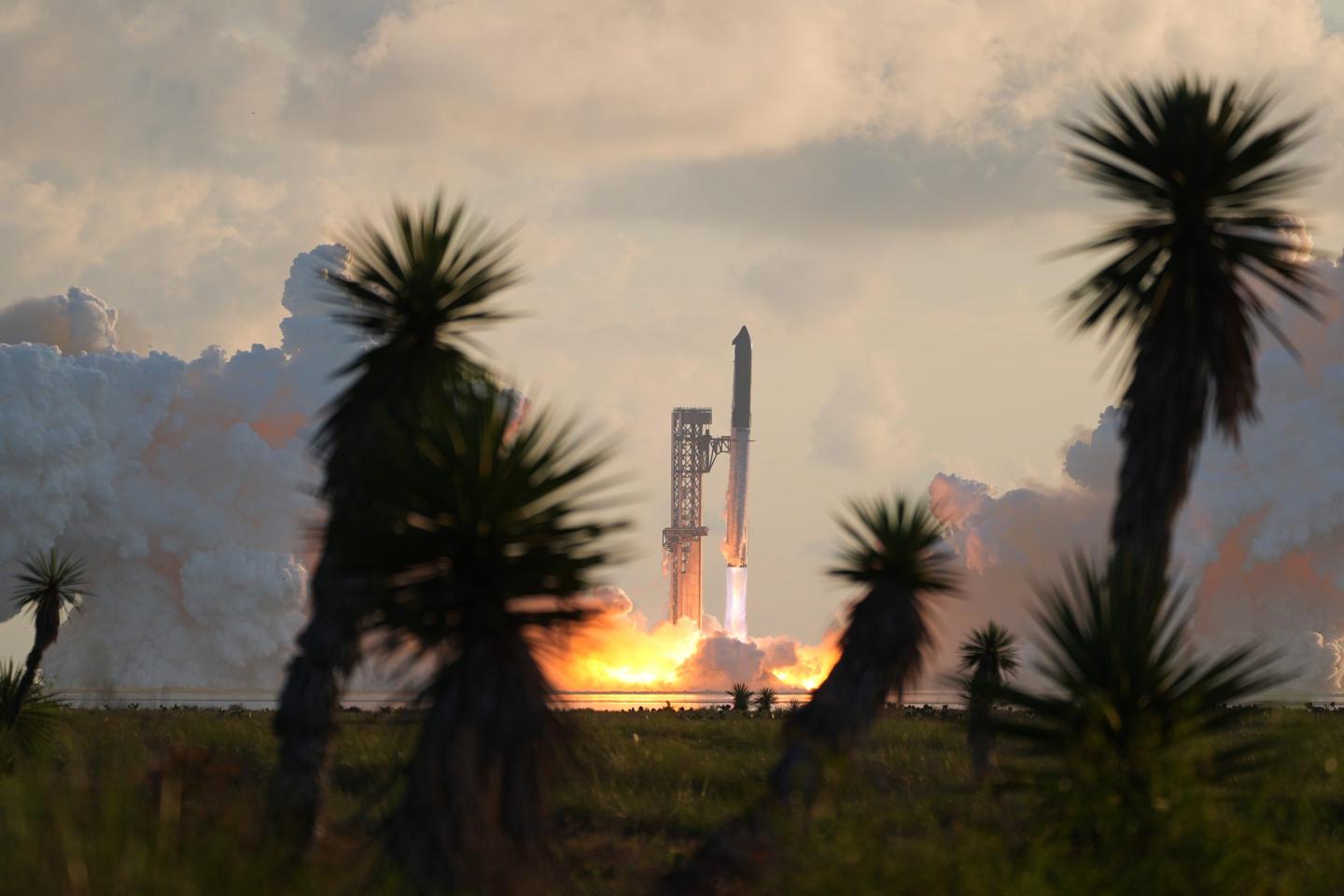
SpaceX marked a historic milestone Monday as its Starship spacecraft reached orbit for the first time, demonstrating the massive rocket's potential for deep-space missions. The flight, however, was cut short, ending after just three hours instead of the planned ten.
What Happened
The Starship launched from Texas' Starbase, carrying 26 of the latest Starlink satellites into space. Shortly after liftoff, one engine shut down prematurely, but flight controllers decided to proceed with the mission. The vehicle successfully achieved orbit and began circling Earth, though SpaceX ended the test flight after only a few laps rather than the planned six orbits over nearly 10 hours. The first-stage booster splashed down in the Gulf of Mexico, while the upper stage continued its brief journey.
No official reason was given for the early termination, but the decision aligned with SpaceX's cautious approach to avoiding debris over populated areas.
- 26 advanced Starlink satellites deployed
- Orbit achieved despite engine failure
- Flight duration reduced from 10 to 3 hours
- Booster lost in Gulf of Mexico
Why This Matters
This test flight represents a critical step toward NASA's Artemis program, which relies on Starship for lunar landings. SpaceX founder Elon Musk has emphasized caution, noting that a breakup over land would quickly diminish public support. The successful orbital insertion, even with a shortened timeline, provides valuable data for future certified flights and supports the broader goal of making space travel more reusable and affordable.
Key Takeaways
- Starship reached orbit for the first time in its development history
- Flight was cut short from 10 hours to roughly 3 hours
- 26 Starlink satellites were successfully deployed
- One engine failed early, but the mission continued
- SpaceX is pursuing booster recovery and eventual full reusability
Conclusion
Despite the early end, the flight proves Starship's capability to reach orbit and operate in space. Upcoming tests will focus on achieving full mission duration, testing the catch mechanism for the booster, and advancing certification for NASA's Artemis missions. If progress continues, Starship could play a central role in returning humans to the moon and eventually enabling missions to Mars.



Discussion
Join the conversation
Thoughtful reactions, questions, and follow-up ideas help shape the next story.