Introduction
Spain is facing its second fatal high-speed rail disaster in 2026, a collision that claimed 68 lives just weeks before a critical national election. The tragedy has reignited urgent debates about rail safety and political accountability.
What Happened
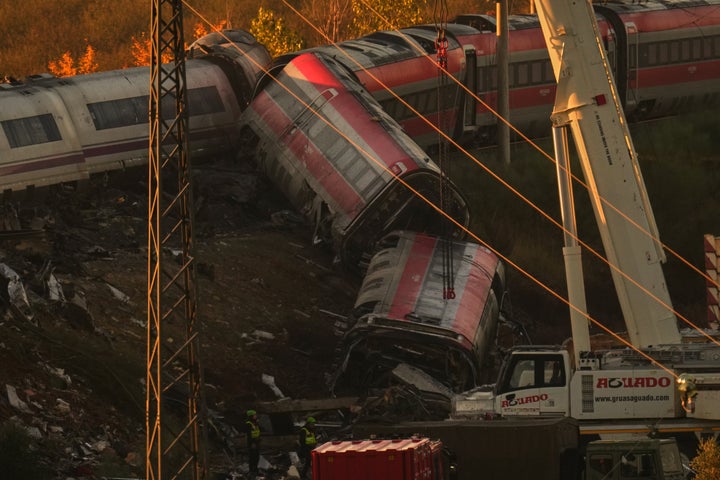
On Wednesday morning, two high-speed trains—a Renfe AVE and an Iryo train—collided near Urda in central Spain. Emergency crews worked through the night to recover victims from wreckage strewn down a gravel slope. The crash came just four months after a January collision that killed 46 people, also involving state-owned and private rail operators.
Why This Matters
The double disasters underscore growing concerns about Spain's high-speed rail network, once hailed as a European model. With 45 million passengers last year, the accidents have shaken public trust. Prime Minister Pedro Sánchez promised a full investigation, while opposition leaders demanded answers and called for improved safety protocols.
Key Takeaways
- 68 lives lost, 53 hospitalized including 15 in critical condition
- Both crashes this year involved Renfe and Iryo trains on the same route
- A computer malfunction caused a signal failure, leading to the collision
- Political pressure mounts as the election approaches
- Emergency services and military units continue recovery operations
Conclusion
As Spain mourns and investigates, the dual crashes expose serious gaps in rail safety just months after the network was expanded following liberalization in 2021. The outcome of the upcoming election and the government's reform agenda may depend on how effectively officials address these systemic failures and restore public confidence in the rail system.





Discussion
Join the conversation
Thoughtful reactions, questions, and follow-up ideas help shape the next story.