Introduction
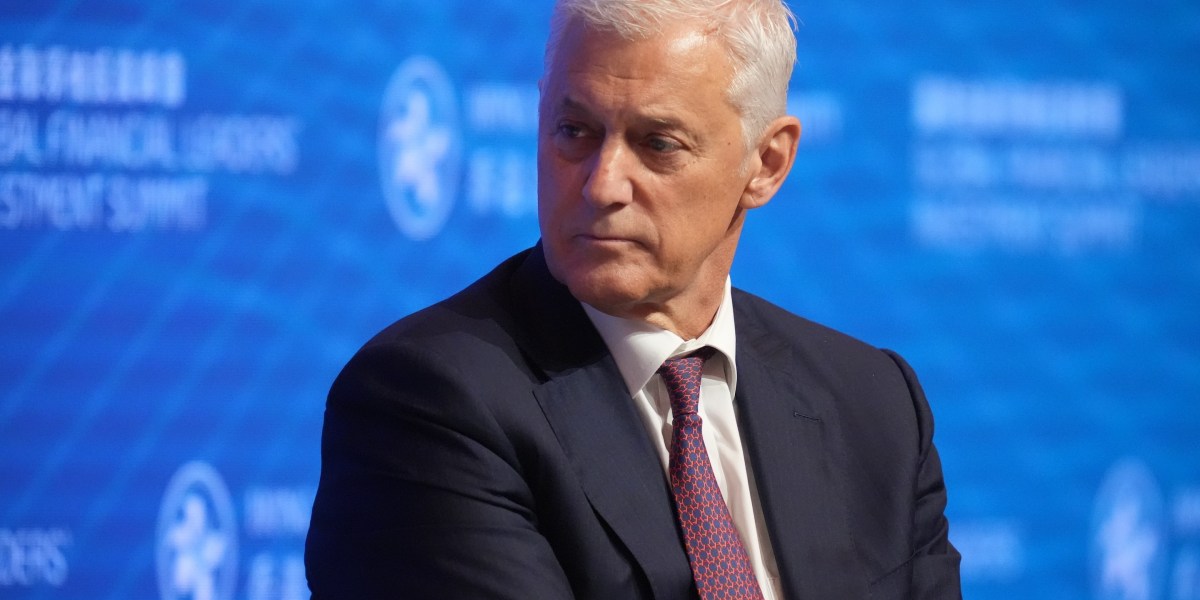
Standard Chartered has posted a sharp rise in third-quarter earnings, with net profit climbing 46% to $1.5 billion. Chief Executive Bill Winters told reporters that the growing split in global trade and politics is working in the bank's favor, creating fresh demand for cross-border financial services.
What Happened
The London-based lender released its latest results on October 28, showing operating income up 13% to $5.8 billion and pre-tax profit rising 27% to $2.25 billion. Fee-driven businesses led the charge: Wealth Solutions income jumped 26% to $1.1 billion, while Global Markets income grew 20% to just over $1 billion. The bank also lifted its 2026 forecast, now targeting a return on tangible equity of roughly 14%.
Winters made the comments during a media roundtable, arguing that geopolitical fragmentation—the redrawing of supply chains, trade routes, and policy along political lines—is an advantage for Standard Chartered. The bank operates in 54 markets, with deep roots in Asia, Africa, and the Middle East, allowing it to follow multinational clients as they shift production and investment.
Why This Matters
As companies adopt "China plus one" strategies and move some manufacturing to Southeast Asia, they need new financing, banking relationships, and payment infrastructure in multiple countries. Standard Chartered's network positions it to capture that business. At the same time, a divided global economy brings risks, including trade restrictions, political instability, and shifting compliance rules across dozens of jurisdictions.
The broader banking sector is also thriving. Global banks earned a record $1.3 trillion in net income in 2025, according to McKinsey, though Winters warned that the artificial intelligence boom could lead to misallocated capital if lenders move too quickly without discipline.
Key Takeaways
- Standard Chartered's third-quarter net profit rose 46% to $1.5 billion.
- Operating income increased 13% to $5.8 billion, with pre-tax profit up 27% to $2.25 billion.
- Wealth Solutions and Global Markets were major growth drivers, rising 26% and 20% respectively.
- The bank operates in 54 markets and is betting on geopolitical fragmentation to drive cross-border dealmaking.
- Standard Chartered recently launched tokenized deposits in Hong Kong and ranks No. 7 on the 2026 Fortune Crypto 100.
- CEO Bill Winters identified five long-term trends, including the low-carbon transition, wealth creation in emerging regions, and the digitization of money.
Conclusion
Standard Chartered is wagering that a fractured world economy will generate more business than it disrupts. By leaning into its footprint across Asia, Africa, and the Middle East, the bank aims to serve corporations and wealthy individuals navigating complex cross-border moves. Whether that bet pays off will depend on how trade tensions evolve and whether the bank can manage the regulatory complexity of operating in so many different markets.
Discussion
Join the conversation
Thoughtful reactions, questions, and follow-up ideas help shape the next story.