Introduction
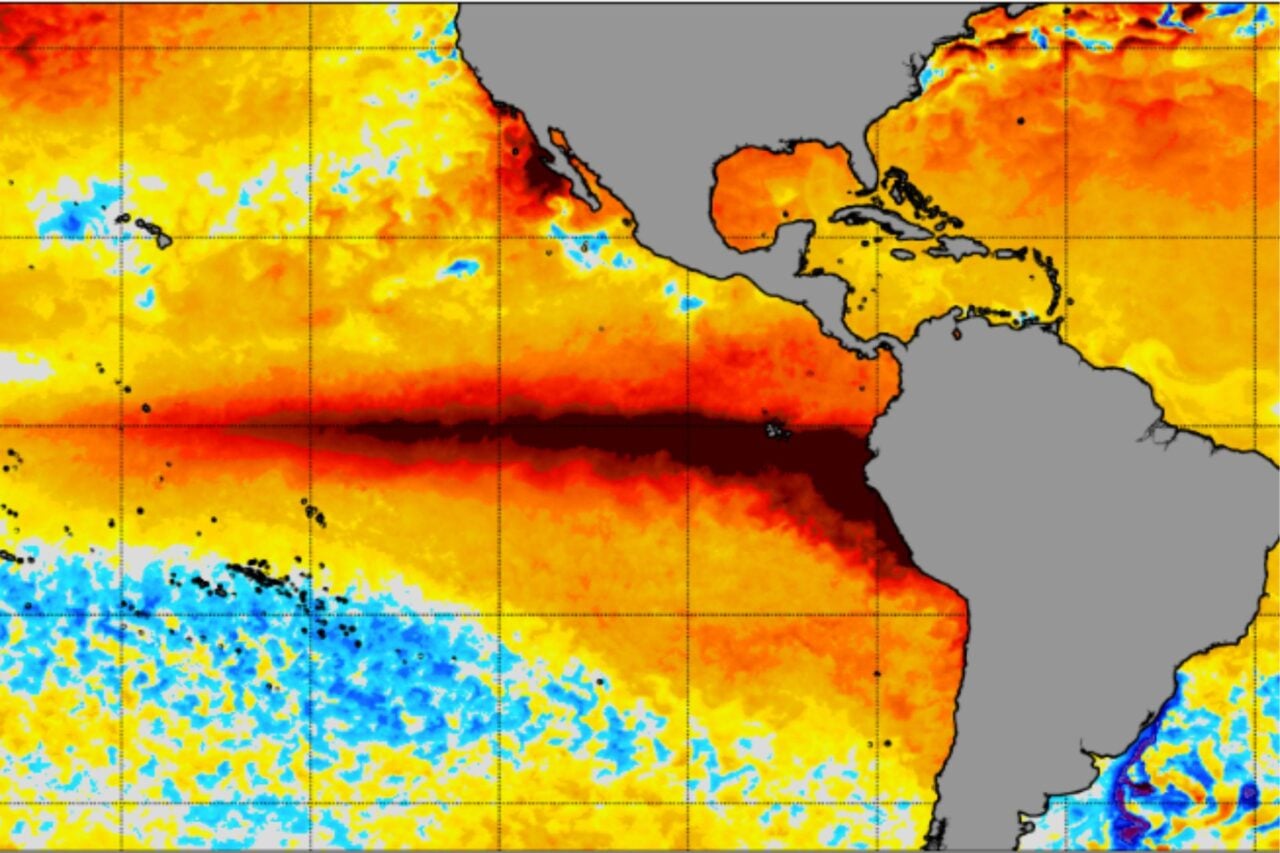
A new El Niño is unfolding in the Pacific, and this one is shaping up to be among the strongest on record. As sea surface temperatures climb to unprecedented levels, the big question facing the United States is whether the power grid can handle another extreme winter season.
What Happened
Signs of a potent El Niño first appeared in late spring, and since then, tropical Pacific waters have warmed at a breakneck pace. Forecasters now expect the event to peak in December, with sea surface temperatures projected to run about 7.2°F (4°C) above average—surpassing the intensity of the 2015‑2016 episode. El Niño alters global weather patterns by shifting the jet stream, and its effects are especially pronounced across the United States during the winter months.
Why This Matters
El Niño's influence on the power sector comes down to two main factors: supply and demand. Warmer winters in the North can reduce heating loads, while cooler conditions in the South may increase them. At the same time, changes in precipitation and storm tracks affect hydropower output, particularly in the Pacific Northwest, and raise concerns about physical infrastructure in regions prone to heavy rain, strong winds, or ice.
Key Takeaways
- El Niño historically pushes the jet stream southward, bringing wetter conditions to the South and warmer, drier weather to the North.
- Heating degree days—a measure of winter heating needs—are typically lower nationwide during El Niño events, which can ease pressure on energy bills.
- Reduced snowpack in the Pacific Northwest may cut into hydropower generation, though it still represents a small slice of the national energy mix.
- Transmission and distribution lines in the South and West Coast face higher risks from wind, rain, and ice-related damage.
- Utilities are leaning on historical analogs and seasonal forecasts to anticipate demand shifts and reinforce vulnerable infrastructure.
Conclusion
There's no guarantee this El Niño will play out exactly like past events, but the signals are clear: the coming winter will likely look different than average, and the power grid will need to adapt. From regional weather shifts to infrastructure risks, the stakes are high for utilities and households alike. Staying informed about seasonal forecasts and utility updates can help Americans prepare for whatever the season brings.





Discussion
Join the conversation
Thoughtful reactions, questions, and follow-up ideas help shape the next story.