Introduction
The Supreme Court recently heard oral arguments in a case that could reshape how federal regulatory agencies enforce the law. At issue is whether agencies such as the Department of Labor can levy significant fines through their own administrative processes, or whether those penalties must be decided by federal judges and juries. The justices appeared closely divided, signaling a potentially consequential ruling for workplace enforcement and dozens of other federal programs.
What Happened
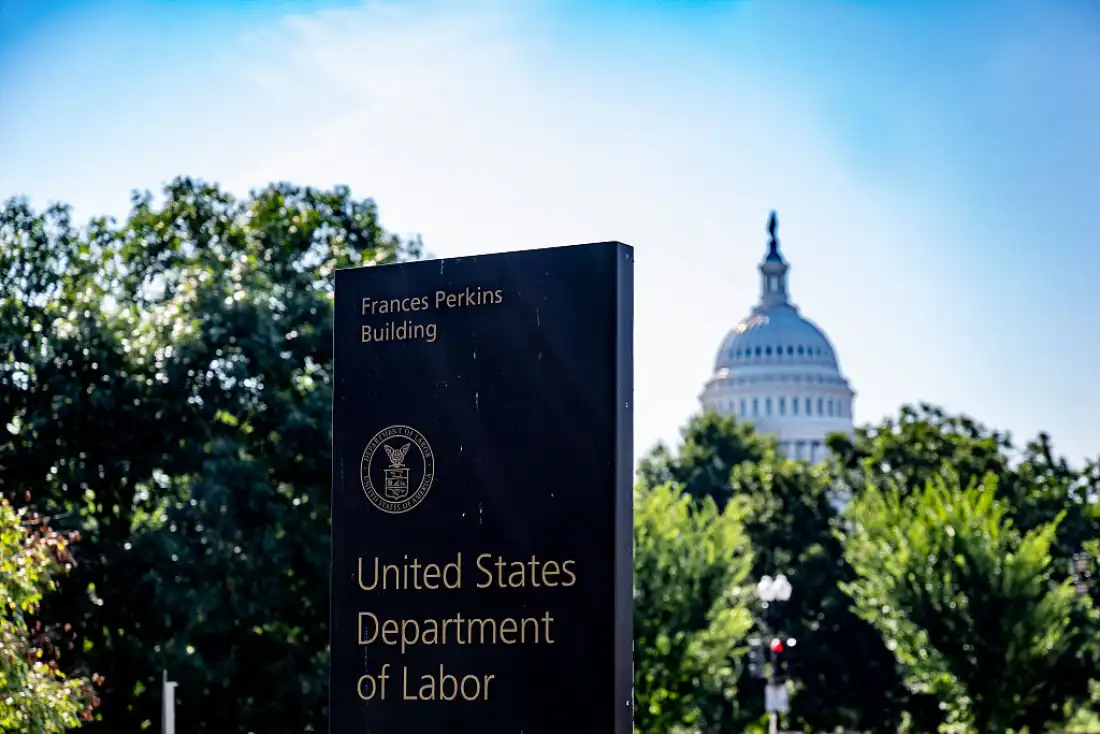
The case involves Sun Valley Orchards, a New Jersey farm that employs temporary migrant workers under a federal agricultural visa program. The Department of Labor fined the company $500,000 after finding unsanitary housing, unsafe drinking water, broken plumbing, and unpaid wages. Sun Valley is challenging the penalty, arguing that the Constitution requires such fines to be imposed by Article III courts rather than agency officials, and that the current process denies the company a jury trial.
During arguments, Chief Justice John Roberts questioned whether the executive branch has stretched its authority too far, suggesting the administration may be overstepping into judicial territory. Deputy Solicitor General Sarah Harris, representing the Labor Department, warned that requiring all civil penalties to go through federal courts would be disruptive and could lead to widespread under-enforcement.
Why This Matters
A decision restricting agency fining power could affect far more than farm labor. Harris noted that programs including Medicare, Medicaid, and federal student loans rely on similar administrative penalty structures. If the Court rules that civil penalties must always be handled by federal judges, agencies across the government could lose a primary enforcement tool, potentially weakening oversight of employers, lenders, and healthcare providers.
The case also touches on the separation of powers. Sun Valley's lawyer, Robert Johnson, argued that the statute authorizing penalties does not specify where they should be adjudicated. Justice Ketanji Brown Jackson pushed back, saying Congress likely intended for agencies to handle enforcement to protect domestic workers from unfair competition. Justice Brett Kavanaugh called the company's approach 'at war with clarity,' while Justice Samuel Alito suggested any narrow ruling might create a confusing patchwork of decisions.
Key Takeaways
- The Supreme Court is considering whether federal agencies can impose civil fines through administrative proceedings.
- Sun Valley Orchards faces a $500,000 Labor Department penalty tied to housing and wage violations for migrant farmworkers.
- Chief Justice Roberts and other justices expressed skepticism about broad executive enforcement authority.
- The government warned that shifting all penalty cases to federal courts could disrupt Medicare, Medicaid, student loans, and other programs.
- A ruling against the agencies could force Congress to rewrite enforcement mechanisms across multiple federal statutes.
Conclusion
The justices did not indicate a clear majority during the arguments, leaving the outcome uncertain. If the Court curtails agency fining authority, the decision could trigger a broad reevaluation of how federal regulations are enforced and push lawmakers to clarify enforcement pathways through new legislation. For now, businesses and regulators alike are waiting to see whether the current administrative system survives constitutional scrutiny.
Discussion
Join the conversation
Thoughtful reactions, questions, and follow-up ideas help shape the next story.