Introduction
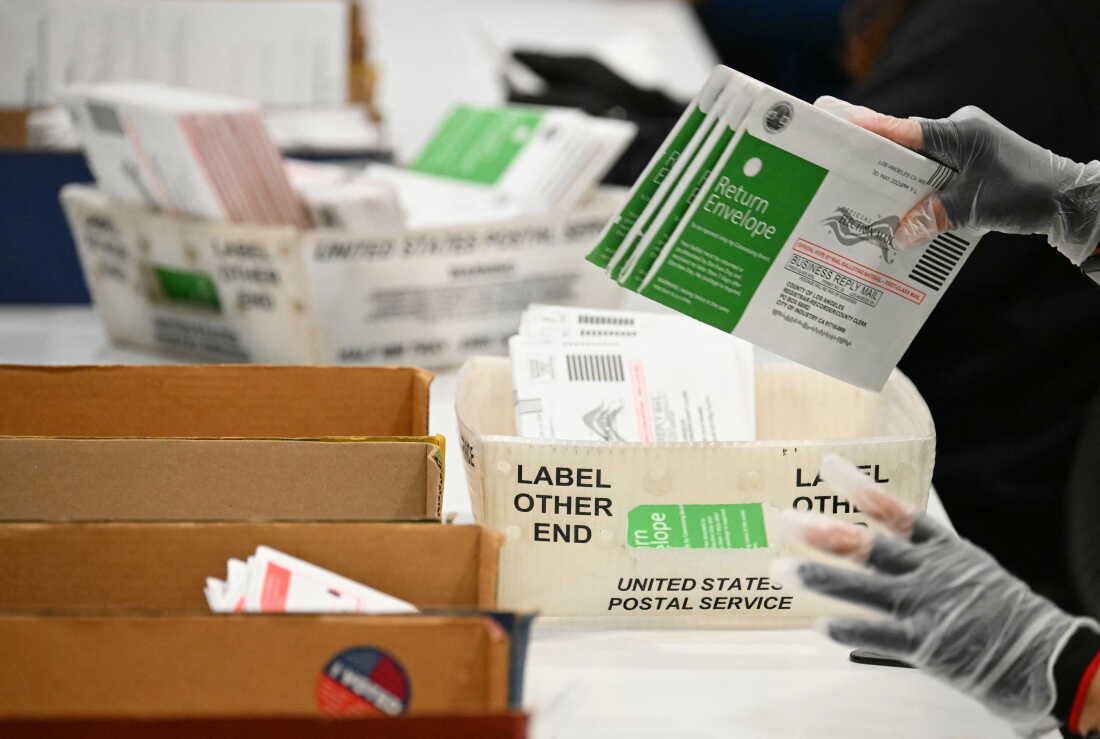
The U.S. Supreme Court has dealt a significant blow to the Trump administration's effort to impose new mail-in voting restrictions just weeks before the 2026 midterm elections. In a ruling released Monday, the high court refused to lift a lower court injunction, ensuring that existing mail-in ballot procedures will remain in place for voters in dozens of states.
What Happened
The administration had sought to require states to provide voter name and address lists and enforce specific barcode standards on ballot envelopes through the U.S. Postal Service. Federal judges in Boston and elsewhere had blocked the plan, ruling the Postal Service lacks authority to regulate federal elections. The Supreme Court's decision to keep those injunctions in place means the restrictive rules will not take effect for this year's voting.
Why This Matters
Civil rights and voting advocacy groups hailed the decision, warning that last-minute rule changes could have led to confusion, delayed ballots, and disenfranchisement. Conservative justices Samuel Alito and Clarence Thomas dissented, arguing the administration should have been allowed to proceed while states gradually implement any future rules. The ruling preserves the status quo for millions of voters who already rely on mail-in voting.
Election officials in states that rely heavily on mail-in ballots, including Alabama, North Carolina, and Wisconsin, will continue processing ballots under current rules. States such as Hawaii, Oregon, and Washington, where voting by mail is the norm, were also shielded from the proposed changes.
Key Takeaways
- The Supreme Court rejected the Trump administration's request to impose new mail-in voting restrictions for the 2026 midterms.
- Lower court injunctions blocking the USPS plan remain in effect, keeping existing ballot delivery rules intact.
- Voters in states with high mail-in participation, including Utah and several Western states, will not face new envelope requirements.
- Election officials and voting rights groups celebrated the ruling as a win for election stability and voter access.
- Legal challenges over the USPS plan are likely to continue beyond the 2026 cycle, focusing on the agency's authority for future federal elections.
Conclusion
With the Supreme Court's refusal to intervene, the 2026 midterms will proceed under existing mail-in voting procedures, avoiding the disruption that a last-minute federal rule change could have caused. The decision underscores the importance of stable election rules close to an election date and affirms the role of state officials in administering federal contests. As the legal battle over USPS authority continues, voters can expect their ballots to be processed using current standards, ensuring that every legally cast vote is counted.

Discussion
Join the conversation
Thoughtful reactions, questions, and follow-up ideas help shape the next story.