Introduction
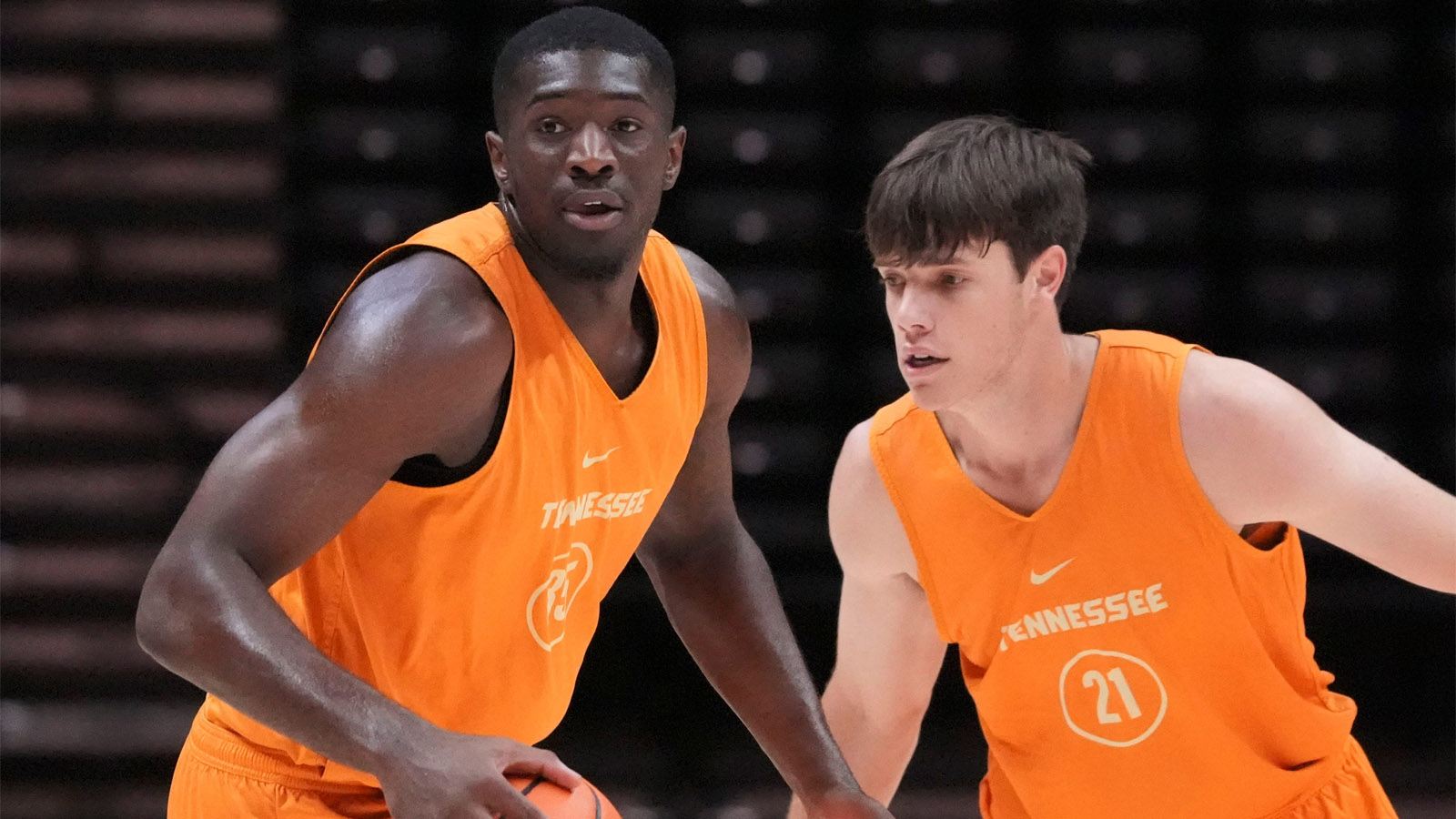
The Tennessee Volunteers men's basketball program is stepping into uncharted territory for college athletics. Players are sitting down with university administrators to hammer out a sample collective bargaining agreement, a move that could redefine how student-athletes are compensated and represented across the country. While the agreement is still a framework rather than a final contract, its existence marks a significant shift in the power dynamic between college athletes and their schools.
What Happened
According to reporting from Front Office Sports, Tennessee is believed to be the first college team to negotiate a model CBA directly with its athletic department. The effort involves collaboration between the Volunteers, university officials—including Athletic Director Danny White—and Athletes.org, an organization focused on athlete representation.
Team representatives Tyler Lundblade, Campbell Duncan, and DeWayne Brown II led the negotiations on behalf of their teammates. Discussions began over the summer, and the group approved the negotiated terms on October 1.
The proposed agreement covers a wide range of issues that have long divided college sports stakeholders. Potential provisions include salary caps and minimums, guaranteed compensation, medical benefits, restrictions on agent spending, and transfer regulations. The framework also proposes higher pay for freshmen, incentives to encourage players to remain at one school for multiple seasons, and penalties for programs that fail to follow the agreed-upon rules.
It is important to note that not every player has signed off on every step. At least three Volunteers have not yet authorized a filing with the National Labor Relations Board or the formation of an athlete-led union at Tennessee.
Why This Matters
Collective bargaining has been a staple of professional sports for decades, but college athletics has resisted similar structures. The NCAA's traditional amateurism model has faced mounting legal and public pressure, especially as name, image, and likeness (NIL) opportunities have expanded. Tennessee's approach is distinct because the players themselves are at the bargaining table with the university, rather than outside groups pushing for change after the fact.
Danny White told The Athletic that the NBA and NFL already operate under collective bargaining agreements, and he believes college sports should move toward a similar solution. He also noted that athletes would not necessarily have to be direct employees of the university to participate in such an agreement, though current labor law generally requires employee status for a CBA.
Previous efforts have come from Oregon State women's basketball players seeking employee recognition and former Penn State quarterback Sean Clifford, who helped launch a college football players' union initiative and founded his own NIL agency. Tennessee's direct negotiation with its athletic department sets this attempt apart.
Key Takeaways
- Tennessee men's basketball players are negotiating a sample collective bargaining agreement with university officials and Athletes.org.
- The Volunteers are believed to be the first college team to pursue a model CBA directly with their athletic department.
- Tyler Lundblade, Campbell Duncan, and DeWayne Brown II served as the team's negotiating representatives.
- Proposed terms include salary caps and minimums, guaranteed pay, medical benefits, agent spending limits, transfer rules, and incentives for multi-year stays.
- At least three players have not yet authorized an NLRB filing or the creation of a university athlete union.
- Danny White compared the concept to the NBA and NFL and said college sports would benefit from adopting a similar framework.
Conclusion
The Tennessee Volunteers' experiment with a sample collective bargaining agreement could serve as a blueprint for other college programs navigating the rapidly changing landscape of athlete compensation. Whether it leads to a binding contract or simply sparks broader conversations, the fact that players are negotiating directly with their university signals a new era in college sports. Observers across the NCAA will be watching closely to see if this model gains traction beyond Knoxville.
Discussion
Join the conversation
Thoughtful reactions, questions, and follow-up ideas help shape the next story.