Introduction
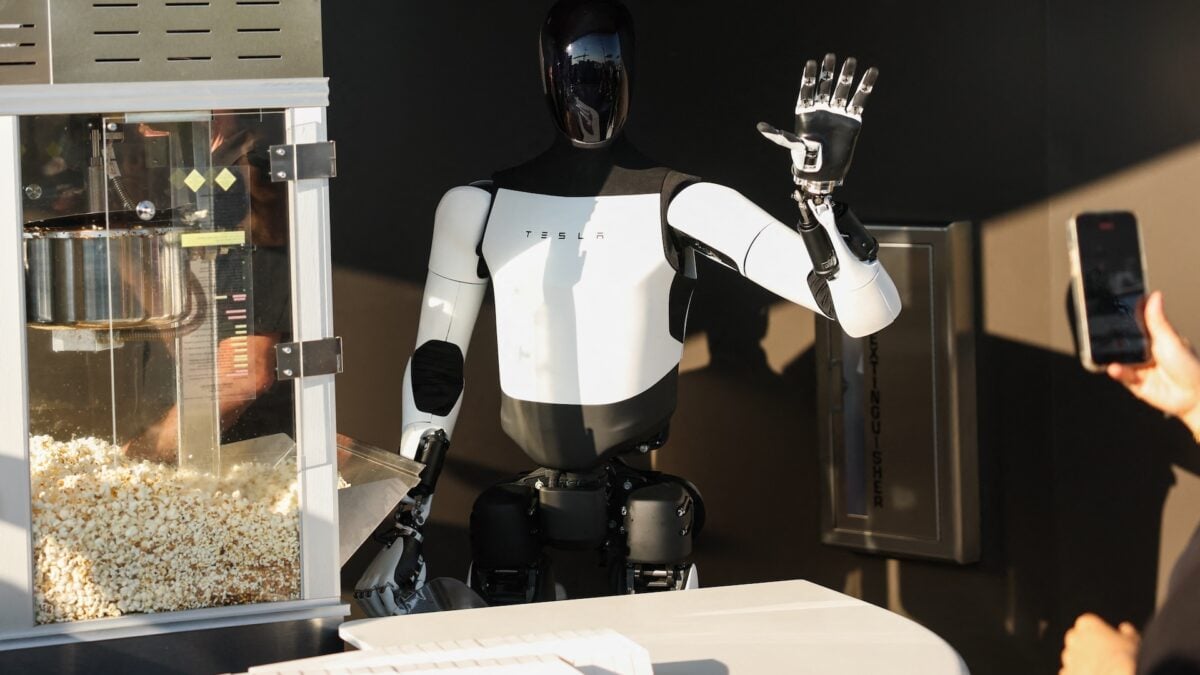
Tesla is pushing forward with its ambitious Optimus humanoid robot program, aiming to mass-produce thousands of units weekly despite significant engineering challenges. The shift from dozens to several hundred units per week marks progress, yet the gap to the 20,000-per-week target remains substantial.
What Happened
Tesla has ramped up Optimus production after pausing Model S and Model X EV assembly at its Fremont factory to free floor space. The newer Optimus V3 model, which is lighter and equipped with additional cameras, is now entering the line. However, equipment at several production stations, particularly those joining robot hands and joints, frequently misaligns, forcing workers to rework completed units. Each hand and forearm reportedly contains over 100 screws and small parts assembled by hand, and the modules have struggled with durability and touch-sensor consistency.
- Production increased from a few dozen to several hundred Optimus robots per week.
- Hand assembly involves more than 100 screws and components per unit, performed manually.
- Reported reliability issues with hand sensors and durability under sustained use.
Why This Matters
If Tesla can overcome the hand-assembly bottleneck, the company could unlock a new era of general-purpose robotics for factories, warehouses, and eventually homes. Musk has claimed Optimus could become the biggest product ever, with plans to lease units to commercial customers starting late 2027, highlighting the strategic importance of the program.
Key Takeaways
- Tesla aims for 20,000 Optimus robots per week, but current output falls far short.
- Hand assembly is a primary bottleneck, requiring manual insertion of over 100 small parts per unit.
- Sensor reliability and durability issues have led Tesla to design a replaceable sensing glove for future models.
- Robots are currently limited to tightly controlled internal testing and data-collection roles.
- Musk targets late 2027 for commercial availability, initially through leasing.
Conclusion
Tesla's Optimus program represents one of the most high-profile attempts to bring humanoid robots into everyday industrial use. While production is accelerating, significant challenges in hand assembly, sensor reliability, and scaling suggest the path to 20,000 weekly units will require continued engineering refinement. For now, the robots remain primarily a testbed for AI and automation advances, with commercial rollout hinged on resolving the very real manufacturing hurdles detailed here.



Discussion
Join the conversation
Thoughtful reactions, questions, and follow-up ideas help shape the next story.