Introduction
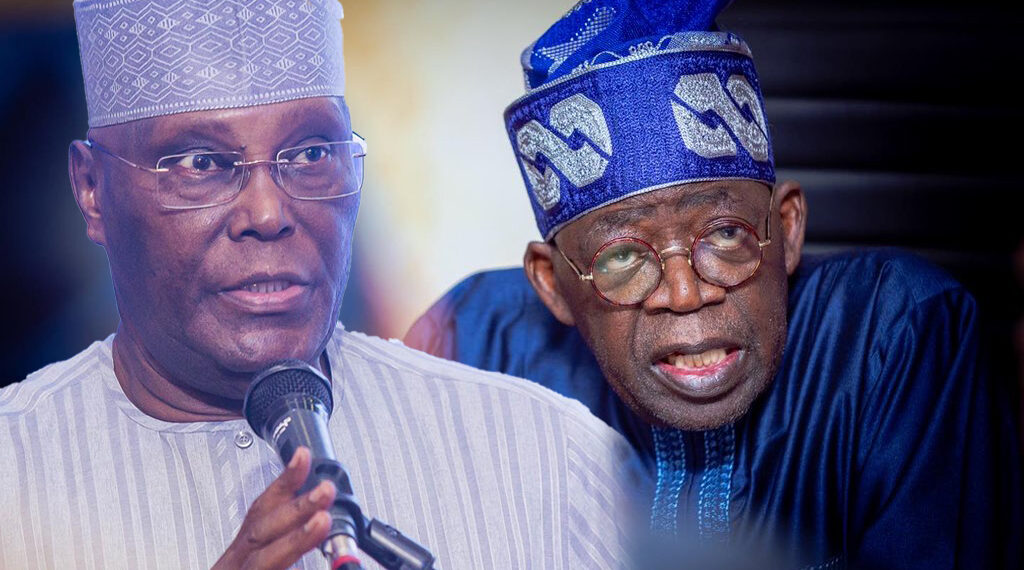
The 2026 political season has brought a new flashpoint: the revelation that President Bola Tinubu and former Vice President Atiku Abubakar collectively spent over $10.2 million on lobbying activities in the United States. Public disclosures under the Foreign Agents Registration Act have sparked debate over the opportunity cost of such expenditure amid Nigeria's economic hardship.
What Happened
According to public records, the Tinubu administration engaged DCI Group under a contract beginning December 2025, with a $4.5 million upfront payment for an initial six-month term, potentially expanding to $9 million. Atiku's campaign retained Washington-based firm Von Batten-Montague-York under a $1.2 million, 12-month agreement. Together, the two engagements total approximately $10.2 million, translating to more than N14.28 billion at current exchange rates. The government framed the spending as diplomatic and security-oriented—to protect Christian communities and sustain counter-terrorism cooperation—while Atiku's firm reportedly aimed to strengthen his standing in US policy circles and counter negative narratives.
Why This Matters
Critics argue that N14.28 billion could have funded roughly 56,000 microenterprises at N250,000 each, or supported thousands of students through the Nigerian Education Loan Fund. World Bank data shows Nigerian MSMEs account for nearly half of GDP and a large share of jobs, yet fewer than one in 20 have access to bank credit. Economic experts and accountability advocates warn that diverting such sums abroad raises serious questions when millions face infrastructure gaps, unemployment, and inadequate healthcare. The debate highlights a broader tension between foreign political positioning and immediate domestic development needs.
Key Takeaways
- The $10.2 million lobbying total equals approximately N14.28 billion, a sum with significant potential impact on Nigeria's small business and education sectors.
- Comparative calculations show the money could finance tens of thousands of microbusinesses, cover tuition for hundreds of thousands of students, or address critical infrastructure gaps.
- While the government frames the lobbying as diplomatic and security-driven, opponents view it as an unjustifiable expense during economic hardship.
- Transparency regarding the purpose, beneficiaries, and measurable outcomes of foreign lobbying remains a key concern for citizens and watchdog groups.
Conclusion
The controversy over $10.2 million spent on US lobbying by Nigeria's top political figures underscores a fundamental question: what is the true cost of foreign political positioning when domestic needs remain acute? As Nigeria continues to grapple with MSME financing gaps, education access, and infrastructure deficits, the debate demands greater transparency, rigorous cost-benefit analysis, and a clear prioritisation of resources that directly benefit the Nigerian people. Whether this expenditure proves strategic or wasteful will depend on the tangible outcomes it delivers and the accountability frameworks put in place moving forward.

Discussion
Join the conversation
Thoughtful reactions, questions, and follow-up ideas help shape the next story.