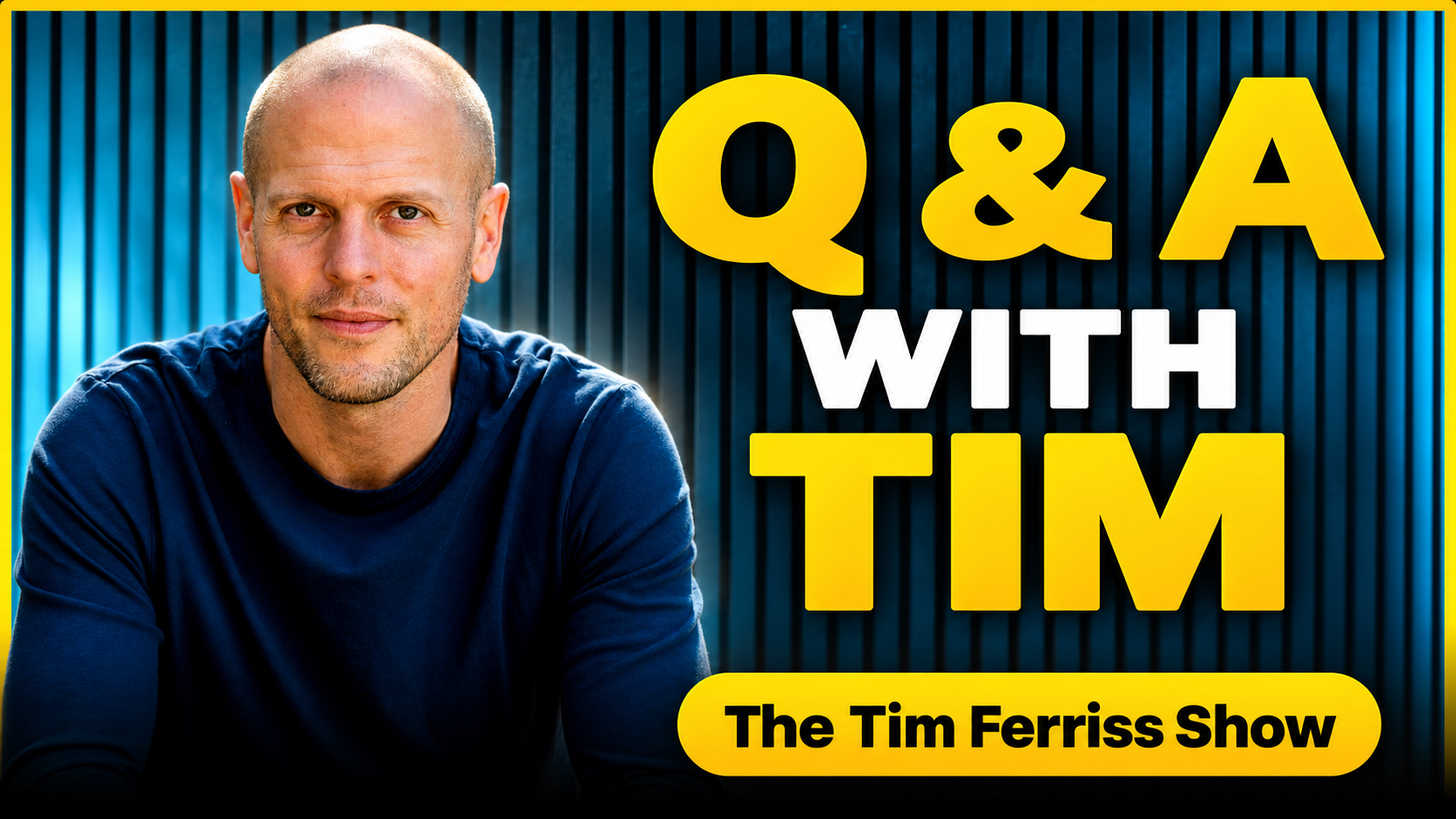
Tim Ferriss needs no introduction, but episode #887 of his podcast delivers a compact, wide-ranging conversation that feels especially relevant today. From how The 4-Hour Workweek morphs in an AI-driven economy to practical ways of reclaiming agency in daily life, this episode weaves together productivity, health, and human connection. Even if you haven't heard the audio, the takeaways are immediately applicable.
What Happened
The episode unfolds as a structured Q&A, touching on a surprising range of topics within under two hours. Ferriss revisits the core principles of The 4-Hour Workweek and asks how they hold up when artificial intelligence automates routine tasks. He discusses rebuilding momentum when motivation flags, using tiny daily actions to restart progress. The conversation also covers the delicate art of maintaining friendships as life diverges, knowing when to double down on a goal versus when to quit gracefully, and why investing ten times more in health and relationships yields outsized returns. Other segments explore age-related vision changes, the value of serendipity, and what Ferriss personally gains from live audience Q&As, including insights on accelerated TMS therapy, bioelectric medicine, and his own fitness routine after 40.
Why This Matters
Why does this mix of topics matter? Because the intersection of AI, personal agency, and midlife health affects anyone rethinking their work-life balance. AI is reshaping jobs faster than most expected, making the timeless questions in The 4-Hour Workweek suddenly urgent. Meanwhile, Ferriss’s candid discussion of health strategies after 40—fasting, supplement choices, and the role of creatine—offers a realistic, evidence-informed framework for readers who want to stay active and resilient. The friendship and serendipity points remind us that agency isn't just individual; it's deeply relational. For anyone feeling stuck, the episode provides a roadmap for small, intentional shifts that compound over time.
Key Takeaways
- The 4-Hour Workweek’s core ideas remain relevant, but need adaptation as AI handles more routine tasks; the focus shifts from automation to curation.
- Rebuilding momentum is often about lowering the barrier to action—just five minutes a day can restart a stalled project.
- Friendships require intentional upkeep; small, consistent check-ins prevent drift without demanding heavy time investments.
- Knowing when to persist versus quit comes down to a simple question: Is this effort moving me toward the life I want, or just filling time?
- Investing disproportionately in health and relationships creates a compounding effect that pays dividends in energy, mood, and opportunity.
- Serendipity thrives when you leave intentional gaps in your schedule; over-packed calendars block unexpected opportunities.
- Live Q&As, whether with a host or a medical professional, offer real-time feedback that reading alone can't provide.
- Health strategies after 40, including slow-carb eating, targeted supplementation like creatine, and vagus nerve stimulation, are most effective when personalized and consistent.
Conclusion
Episode #887 isn't just a list of tips—it's a framework for reexamining how you work, stay healthy, and connect with others in a world that changes fast. Whether you're navigating AI at work, looking to rebuild a fitness routine after 40, or simply trying to maintain meaningful friendships, the principles discussed offer a practical starting point. Listen, apply what resonates, and remember that the smallest adjustments often produce the biggest shifts.








Discussion
Join the conversation
Thoughtful reactions, questions, and follow-up ideas help shape the next story.