Introduction
Recent headlines about airplane crashes, mechanical failures, and a rare nationwide ground stop have renewed public anxiety about flying. Yet one significant contributor to airspace risk has received almost no attention: the rapid expansion of immigration enforcement flights operated by U.S. Immigration and Customs Enforcement. As the government detains and moves more people by air, safety experts and lawmakers warn that these operations are straining the aviation system and exposing passengers, crew, and people on the ground to preventable dangers.
What Happened
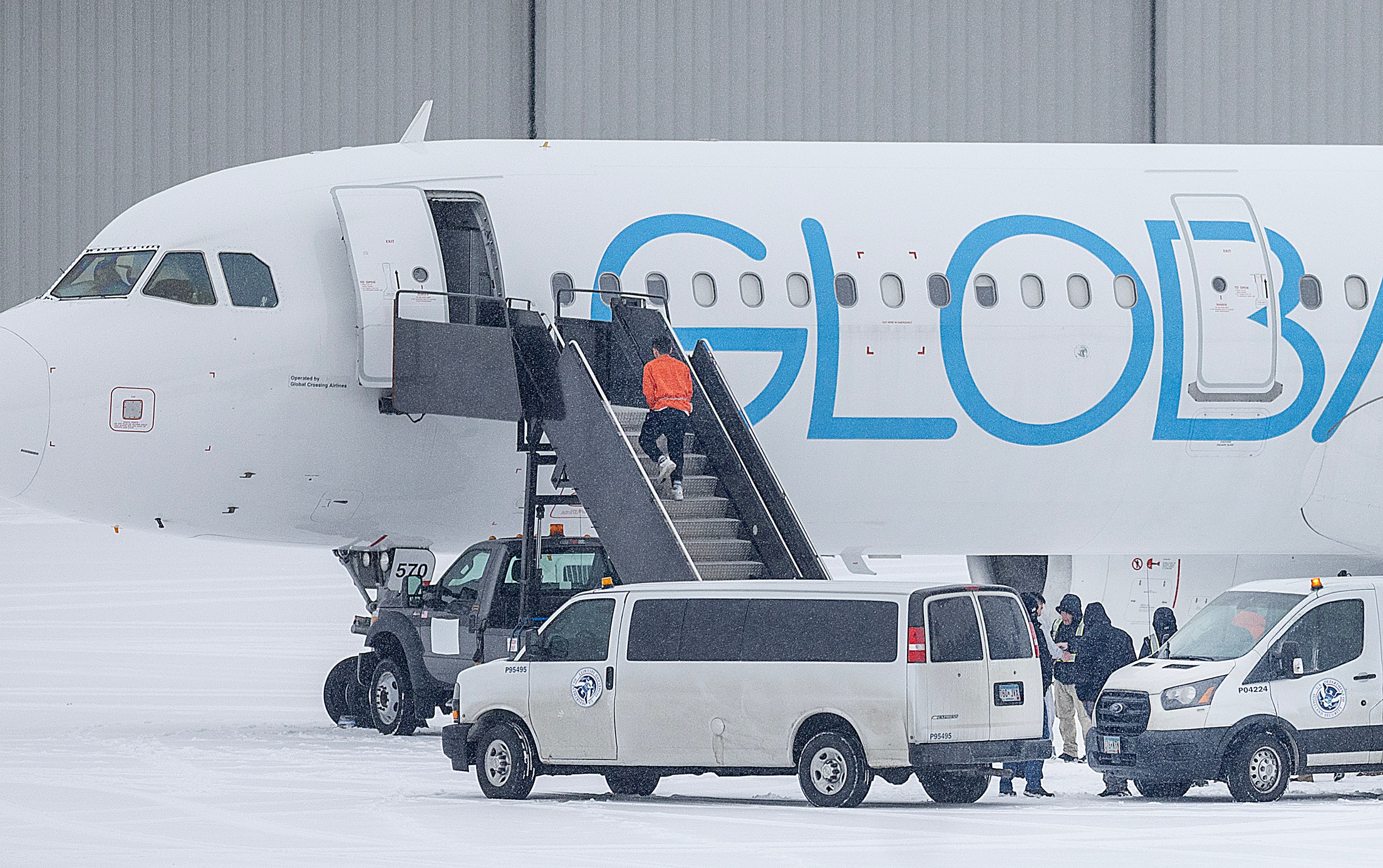
Since the start of the second Trump administration, ICE has quietly built a large-scale air operation. According to Human Rights First's ICE Flight Monitor, the agency has chartered nearly 20,000 individual flights. Domestic flights quadrupled between January 2025 and January 2026. Most are not removals from the country; instead, they transport detainees between county jails, state prisons, and privately run detention centers.
People aboard these flights are typically restrained in handcuffs, waist chains, and leg irons for the entire journey. That practice conflicts with a federal safety rule requiring that a full aircraft be capable of evacuation within 90 seconds. In December 2025, the administration also began acquiring its own aircraft to supplement private charters, marking a departure from previous reliance on outside contractors.
These flights use more than 100 airports, many of them small regional airfields rather than major hubs. At Northeast Alabama Regional Airport in Gadsden, for example, more than 300 ICE flights have arrived or departed since September 2025. At least five airports in the network, including Gadsden, do not hold FAA Part 139 certification, which requires basic aircraft rescue and firefighting capabilities. Some locations have no fire-and-rescue crews on site at all.
Why This Matters
An incident involving an ICE-chartered jet could endanger everyone on board as well as people on the ground. Because many detainees cannot unbuckle or move freely, an emergency evacuation would be far more difficult than on a standard commercial flight. When small airports lack required rescue and firefighting resources, local emergency crews must stand by, stretching thin municipal services that also protect residents who are not flying.
The issue is compounded by limited transparency. Reports indicate ICE has used an FAA program intended to let private aircraft owners hide registration details to shield government deportation flights from public trackers. In May, several Democratic lawmakers wrote to FAA Administrator Bryan Bedford, calling the practice inappropriate and dangerous. Meanwhile, congressional oversight has been minimal for roughly 18 months, even as funding for the program increased under legislation known as the "Big Beautiful Bill."
Key Takeaways
- ICE has chartered nearly 20,000 flights since the second Trump administration began, with domestic flights quadrupling in one year.
- Most flights move detainees between U.S. facilities rather than conducting international deportations.
- Restrained passengers cannot unbuckle themselves, complicating emergency evacuations required to happen within 90 seconds.
- Many destination airports are small regional airfields without FAA Part 139 certification or on-site fire-and-rescue crews.
- Lawmakers have raised concerns about ICE obscuring flight data from public tracking systems.
- With a change in congressional leadership expected in January, new oversight and legislative options may emerge.
Conclusion
The national conversation about air travel safety is incomplete if it ignores how immigration enforcement flights are adding traffic and risk to the skies. Closing regulatory loopholes, enforcing existing airport certification standards, and holding public hearings with transportation and homeland security officials could help address the problem before a serious accident occurs. Until then, migrants remain the most vulnerable, but the safety gaps affect everyone who shares the airspace.
Discussion
Join the conversation
Thoughtful reactions, questions, and follow-up ideas help shape the next story.