Introduction
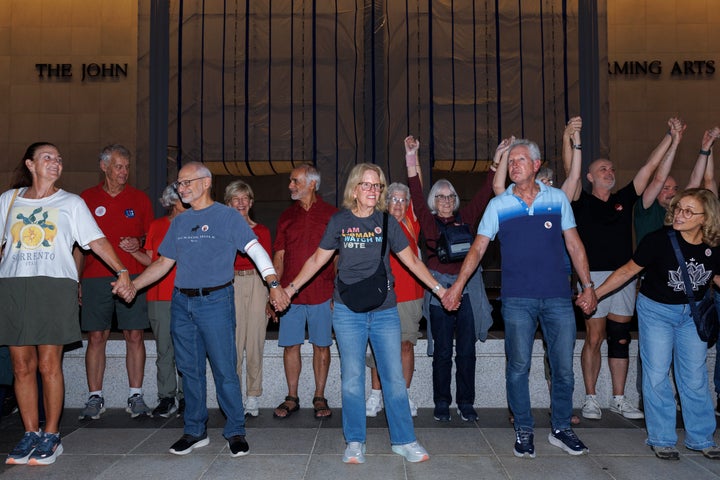
A large-scale demonstration unfolded Friday evening as thousands gathered outside the John F. Kennedy Center for the Performing Arts to oppose potential closure plans. Organizers called the event 'Hands Around the Kennedy Center,' turning the riverside landmark into a visual rallying point against what protesters describe as an existential threat to the nation's premier arts venue.
What Happened
Demonstrators arrived from the Foggy Bottom metro station, filling streets and disrupting traffic as they converged on the complex. Participants carried signs, linked arms, and formed a human chain encircling the building—a direct reference to the protest's name. Chris Raleigh, co-founder of the advocacy group Hands Off the Arts, emphasized the crowd's resolve to resist what he called an overreaching political push against a cultural institution. The gathering featured chants, speeches, and a visible show of solidarity from artists, students, and local residents.
Why This Matters
The protest is the latest chapter in a months-long conflict between the Trump administration and the Kennedy Center's future. Since 2025, the president has installed allies to the center's governing board and had his name installed on the facility, a decision a federal judge recently ruled illegal and ordered removed. Beyond naming disputes, the administration has pursued broader changes, including attempts to restructure the venue's operations. A recent court order now mandates 30 days' notice before any major physical alterations or demolition, but advocates remain concerned the president could act without adequate oversight. For the arts community, the center serves as a national stage for performance, education, and public engagement, making its potential loss a significant cultural blow.
Key Takeaways
- Thousands participated in the 'Hands Around the Kennedy Center' rally, forming a human chain to demand the venue's preservation.
- Organizer Chris Raleigh framed the action as a necessary stand against unilateral decisions threatening the institution.
- A federal judge has blocked the reinstallation of the president's name and requires 30 days' notice before any major physical changes to the building.
- The Kennedy Center remains a hub for performing arts, arts education—including programs at the Duke Ellington School of the Arts—and community performances.
- Trump has publicly stated he is willing to save the center, arguing financial losses, but critics view his actions as part of a broader political restructuring of Washington's cultural landscape.
Conclusion
As legal challenges continue and the Kennedy Center remains at the center of a heated political debate, the breadth of public response makes clear the institution's deep-rooted significance. Whether through court rulings, administrative decisions, or further demonstrations, the coming weeks will likely determine the venue's immediate future. For now, the protest stands as a testament to the power of collective action when a cherished cultural landmark feels at risk.

Discussion
Join the conversation
Thoughtful reactions, questions, and follow-up ideas help shape the next story.