Introduction
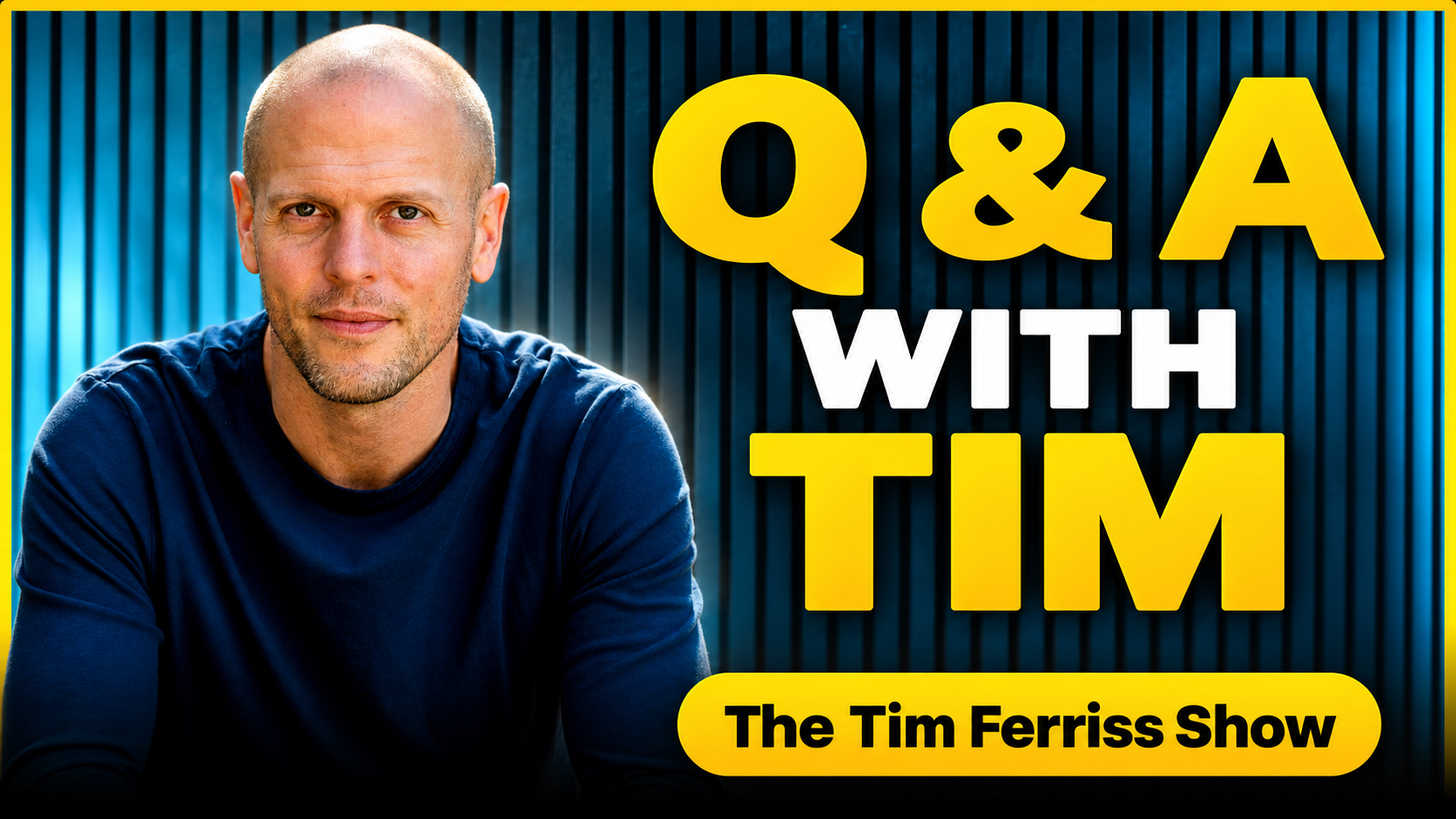
Tim Ferriss recently released episode 887 of The Tim Ferriss Show, a listener-driven Q&A session that spans productivity, health, relationships, and the evolving role of artificial intelligence. Rather than a traditional interview, this installment turns the microphone toward the audience, with Ferriss responding to questions about how to apply the ideas from The 4-Hour Workweek in a world increasingly shaped by automation and AI. The conversation also circles back to themes from his earlier work on physical optimization, offering updates on how his approach to diet, exercise, and recovery has shifted after age 40.
What Happened
The episode is organized around a series of timestamped listener questions. Early on, Ferriss addresses what the 4-Hour Workweek philosophy looks like when AI can handle many routine tasks, emphasizing that delegation to technology does not remove the need for human judgment about what work is worth doing. He discusses rebuilding momentum when feeling stuck, suggesting that small, repeatable daily actions often matter more than grand gestures. Other segments cover maintaining friendships during periods of change, deciding when to persist with a goal versus when to quit, and creating space for serendipity in a scheduled life.
Ferriss also shares personal updates on health and longevity. He reflects on age-related vision changes, his experience with accelerated transcranial magnetic stimulation (TMS), and emerging research into bioelectric medicine and the vagus nerve. On the fitness side, he revisits slow-carb eating, intermittent fasting, and supplementation as part of The 4-Hour Body framework after 40, and mentions continued use of exercises from Back Mechanic and the Egoscue method for back pain. Additional topics include climbing and finger strength, a twice-daily ten-minute meditation habit, and the role of background movies and music in his writing routine.
Why This Matters
The discussion matters because it shows how long-standing productivity and health frameworks adapt to new realities. AI is not just a theoretical concern for Ferriss; he treats it as a tool that can strip away busywork while leaving the harder question—what should I actually be doing?—in human hands. His emphasis on rebuilding personal agency resonates at a time when many people feel pressure to outsource decisions to algorithms or productivity systems.
The health segments are equally practical. By revisiting slow-carb principles, fasting, and back-care routines years after publishing The 4-Hour Body, Ferriss models how to treat earlier advice as a starting point rather than a permanent prescription. His comments on friendships, serendipity, and parenting priorities add a human layer to what could otherwise be a purely tactical conversation.
Key Takeaways
- AI can automate tasks, but deciding which tasks matter remains a human responsibility.
- Rebuilding momentum often starts with small, consistent daily actions rather than dramatic overhauls.
- Friendships require intentional maintenance, especially when life circumstances change.
- Knowing when to quit is as important as knowing when to persist.
- Health routines should evolve with age; Ferriss updates his 4-Hour Body practices for life after 40.
- Deliberate gaps in a schedule create room for serendipity and unexpected opportunities.
- Back-care strategies from Back Mechanic and Egoscue remain part of his ongoing routine.
Conclusion
Episode 887 functions less like a definitive guide and more like a snapshot of how one thinker is adjusting his operating system for a new decade. Whether the topic is artificial intelligence, aging, friendship, or fitness, the underlying thread is personal agency: the ability to assess what is working, discard what is not, and design a life around deliberate choices. Listeners looking for a practical update on Ferriss’s evolving philosophy will find plenty to consider, from meditation habits to supplement routines to the question of what a meaningful week actually looks like when machines can handle the rest.
Discussion
Join the conversation
Thoughtful reactions, questions, and follow-up ideas help shape the next story.