Introduction
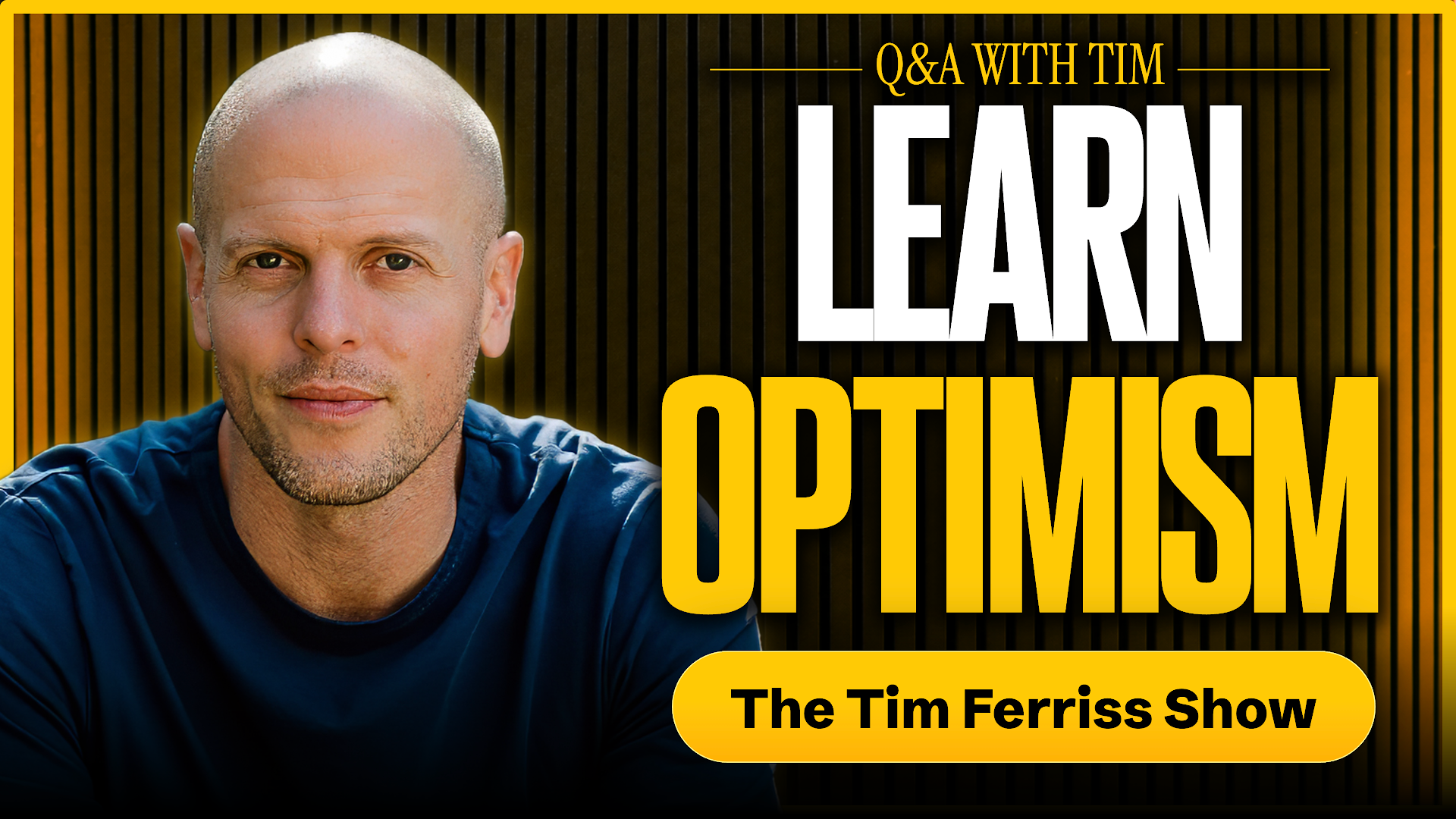
Tim Ferriss recently published the second half of a live listener Q&A as episode 889 of The Tim Ferriss Show. The conversation ranges from cognitive health and emotional resilience to the evolving role of psychedelics and the idea that optimism is a skill anyone can develop. For anyone feeling stuck, worried about the news, or curious about proactive brain care, the episode offers a mix of personal protocols and broader philosophy.
What Happened
Ferriss walks through several topics raised by listeners. He details his current approach to reducing Alzheimer's risk, which includes sauna sessions, Norwegian 4x4 interval training, Zone 2 cardio, urolithin A, lithium orotate, and attention to dental health. He also examines why recognizing what keeps you stuck is not enough on its own, referencing Internal Family Systems, cognitive behavioral therapy, and dialectical behavior therapy as tools for moving past insight into action.
Other segments address how to maintain hope during difficult news cycles, what the next generation of quantified self-tracking would need to accomplish, and where psychedelics fit in his life today—including shorter-acting compounds and early research on anti-inflammatory effects at low doses. He also shares his thinking on natural versus synthetic supplements, cholesterol, and the importance of being your own health advocate.
The episode is available on Apple Podcasts, Spotify, Overcast, and other major platforms. It follows part one of the Q&A, released as episode 887, which covered artificial intelligence, momentum, and The 4-Hour Workweek.
Why This Matters
Ferriss treats optimism not as a fixed trait but as a learnable skill, which reframes how listeners can approach uncertainty. His discussion of brain health connects everyday habits—exercise, sleep temperature, oral hygiene—to long-term outcomes, while his comments on psychedelics and synthetic versus natural options reflect a cautious, evidence-oriented mindset. The episode is useful because it models how to experiment with personal health without abandoning skepticism.
Key Takeaways
- Protecting brain health may involve a combination of sauna use, high-intensity intervals, steady-state cardio, targeted supplements, and dental care.
- Seeing what keeps you stuck is only the first step; lasting change requires confronting the cost of inaction.
- Hope can be managed deliberately through boundaries around social media and intentional allocation of attention.
- Psychedelics are presented as one option among many, with attention to emerging research on inflammation and shorter-acting substances.
- The natural versus synthetic debate benefits from nuance, personal research, and professional medical guidance.
Conclusion
Episode 889 functions less as a rigid prescription and more as an invitation to test small changes in your own life. Ferriss encourages listeners to share feedback on the show's format and points to part one for additional discussion on AI, persistence, and personal agency. Whether you start with a sleep adjustment, a therapy modality, or a break from the news cycle, the underlying message is that resilience and optimism can be practiced.
Discussion
Join the conversation
Thoughtful reactions, questions, and follow-up ideas help shape the next story.