Introduction
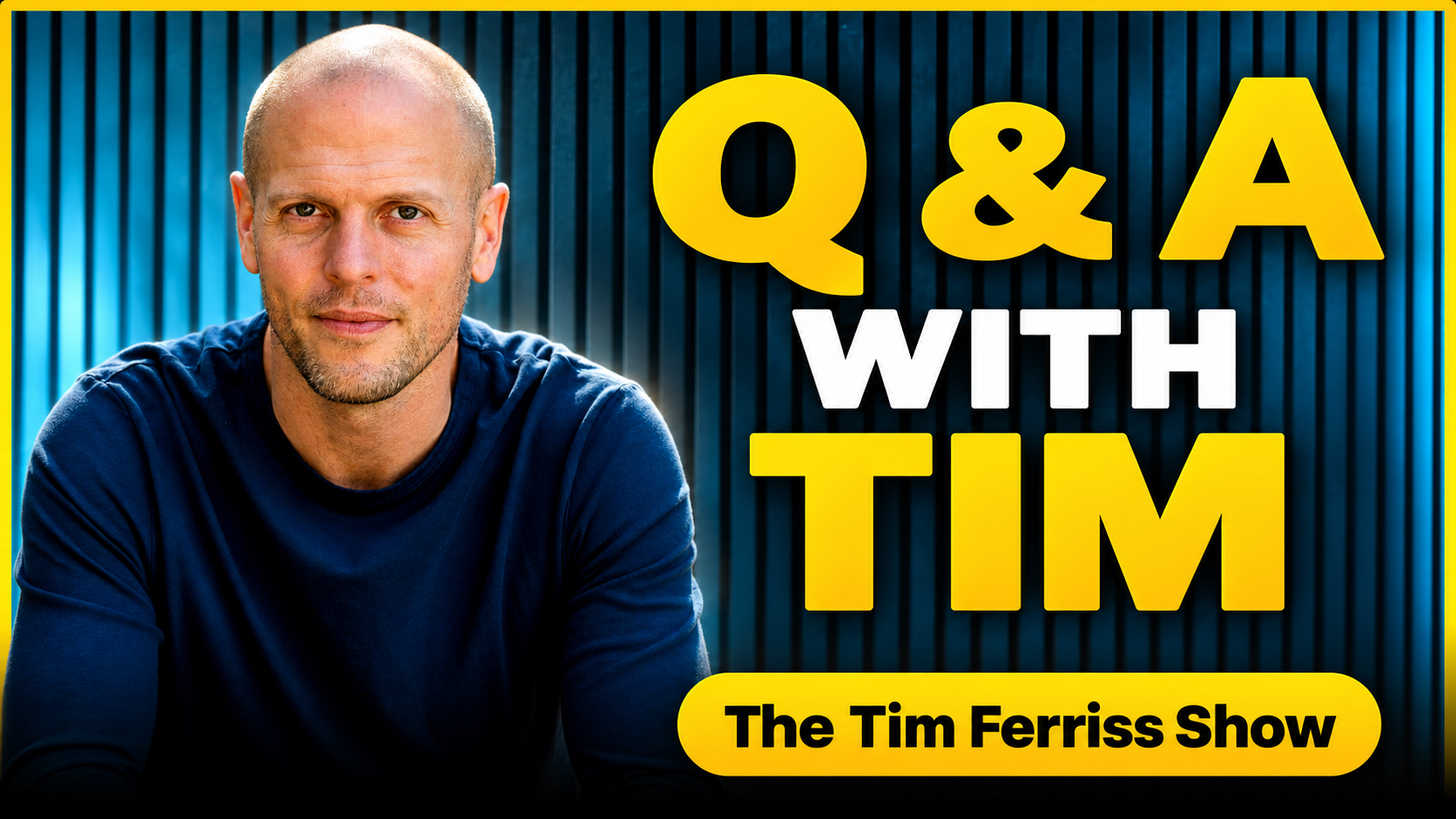
Tim Ferriss recently opened his subscriber mailbag for a wide-ranging Q&A session, captured as episode #887 of The Tim Ferriss Show. The conversation covers how artificial intelligence reshapes the principles behind The 4-Hour Workweek, what to do when momentum disappears, how to maintain friendships as values diverge, and a new software tool for age-related vision changes. Ferriss also offers a glimpse at his forthcoming book, codenamed The No Book, which he describes as a spiritual successor to his 2007 bestseller.
What Happened
The Q&A addresses several listener questions. On AI, Ferriss argues that tools like AI agents are accelerants: they amplify whatever system already exists. Without clear definition and elimination of nonessential tasks, he warns, people simply automate trivial work and create more stress rather than freedom. He notes the 20th anniversary of The 4-Hour Workweek arrives in April 2027, but says the book's DEAL framework—Definition, Elimination, Automation, Liberation—remains relevant because the fundamentals outlast the tools.
When asked about rebuilding confidence after setbacks, Ferriss recommends starting with extremely small, repeatable actions. Examples include five pushups before meals or a brief nightly meditation. The goal is daily proof that you are someone who follows through, which gradually restores a sense of personal agency.
On relationships, he suggests taking your own advice before offering it to others, experimenting with social media breaks, and using a no-complaint challenge to shift dynamics. He acknowledges that some friendships drift too far to repair, but emphasizes that many worthwhile connections still exist.
Ferriss also discusses decision-making, borrowing a Peter Thiel thought experiment about compressing ten-year goals into six months, and recommends "red teaming" projects by asking honest friends what would likely cause failure. For vision, he highlights Oryx, a software tool he invested in after testing it for presbyopia, and shares a waitlist link at tim.blog/oryx.
Why This Matters
The discussion arrives at a moment when many people feel overwhelmed by AI hype and productivity pressure. Ferriss reframes the conversation away from tools and toward timeless habits: deciding what matters, removing what doesn't, and rebuilding trust in yourself through small wins. His upcoming book, The No Book, appears to extend this philosophy specifically for an era of infinite options and digital distraction.
Key Takeaways
- AI multiplies your existing priorities; define and eliminate before you automate.
- The 20th anniversary of The 4-Hour Workweek is coming in April 2027.
- Rebuild momentum with minimum effective dose actions done daily.
- Drifted friendships may benefit from communication practice, shared experiments, and honest boundaries.
- Compressing timelines and red teaming decisions can reveal hidden risks and opportunities.
- Oryx is a vision-training software Ferriss tested personally; interested readers can join a waitlist at tim.blog/oryx.
Conclusion
This subscriber Q&A offers practical guidance for anyone navigating AI-driven work, personal setbacks, or shifting relationships. Ferriss's central message is that technology changes quickly, but the fundamentals of definition, elimination, and consistent action do not. Whether you are trying to reclaim focus, repair a friendship, or decide what to stop optimizing, the episode emphasizes starting small and staying intentional.
Discussion
Join the conversation
Thoughtful reactions, questions, and follow-up ideas help shape the next story.