Introduction
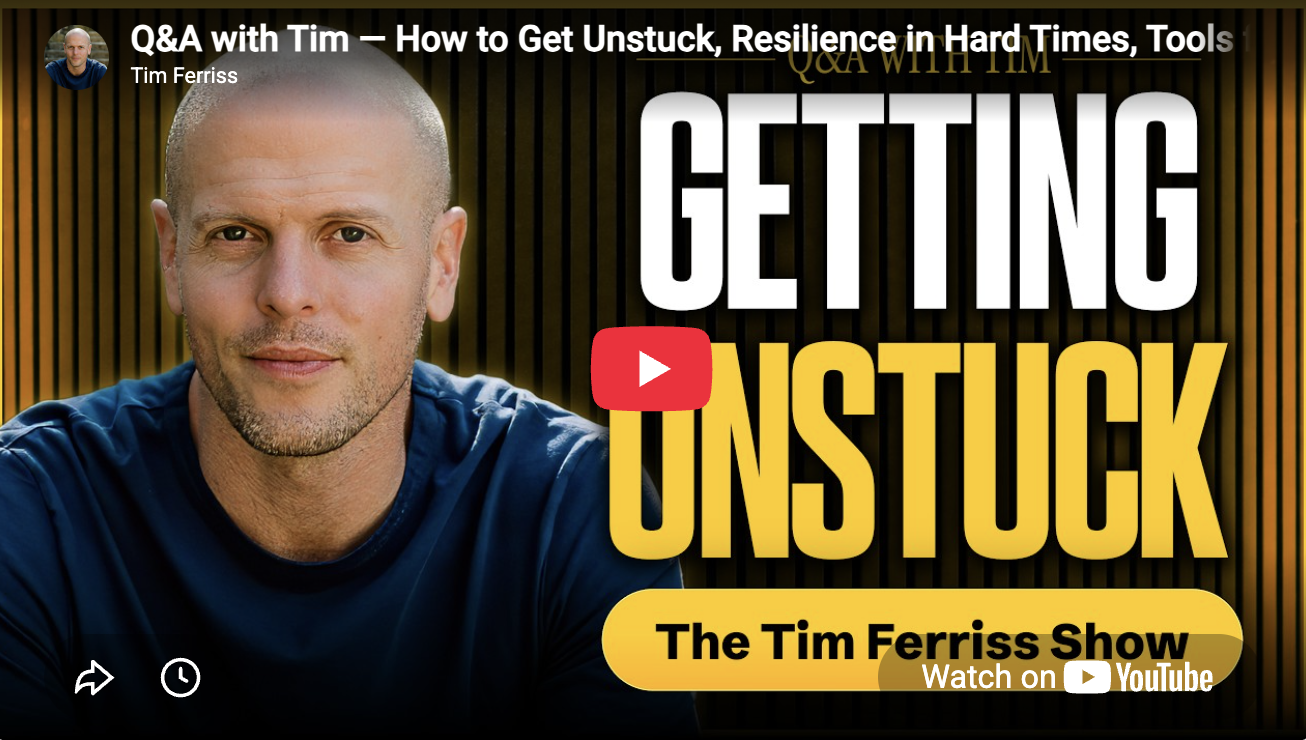
In a recent subscriber-only Q&A session, Tim Ferriss tackled a wide range of questions from his audience, spanning cognitive health, personal resilience, artificial intelligence, and the evolving format of his own podcast. Rather than a polished interview, this conversation offered an unfiltered look at the tools, habits, and mental models Ferriss currently relies on. From sauna protocols to fear-setting exercises, the discussion provides a practical roadmap for anyone looking to optimize their brain and navigate uncertain times.
What Happened
The session opened with a question about Alzheimer's prevention. Ferriss, who carries the APOE3/4 genotype, outlined several strategies he is currently using, including regular sauna sessions at 170 to 180 degrees, Norwegian 4x4 interval training for hippocampal volume and VO2 max, Zone 2 cardio for mitochondrial health, and supplements such as Urolithin A and a low dose of lithium orotate. He emphasized that neurodegenerative disease research remains in its early stages and that prevention is the most viable strategy available today.
Other topics included how to break free from unproductive patterns. Ferriss discussed internal family systems (IFS), cognitive behavioral therapy (CBT), dialectical behavior therapy (DBT), and James Clear's Atomic Habits. He also explained his fear setting framework, particularly the practice of writing down the cost of inaction across one-, three-, and ten-year horizons to make the status quo feel more painful than change.
Ferriss also reflected on his podcast format, suggesting that traditional interview shows may be losing relevance in an AI-driven world. He expressed interest in more extemporaneous, lightweight conversations and invited listener feedback. On artificial intelligence, he advised against spending thousands on courses, recommending instead that people build small projects using tools like Claude, ChatGPT, and Oboe to learn by doing.
For mental health, he shared that he has kept social media apps off his phone for roughly five years. He described a calendar-based system of upside time and downside time to intentionally balance optimistic research with risk assessment. He also mentioned reading Studs Terkel's Hard Times as a reminder of human resilience during the Great Depression.
Later in the conversation, Ferriss addressed psychedelics, noting that while he uses them less frequently now, he remains interested in their anti-inflammatory potential at extremely low doses and shorter-acting compounds such as methylone. He closed with thoughts on quantified self 2.0, arguing that the challenge today is not gathering data but interpreting it well enough to drive behavioral change.
Why This Matters
These insights matter because they translate complex health and productivity concepts into accessible, low-cost experiments. Ferriss's emphasis on prevention over treatment is especially relevant given the limited consensus around Alzheimer's therapies. His frameworks for getting unstuck, such as fear setting and behavioral engineering, offer concrete steps for people who feel trapped by their own habits.
His perspective on AI and media formats also provides a timely reminder that adaptability is a learnable skill. By treating optimism as something that can be scheduled and practiced, rather than a fixed trait, he reframes resilience as a daily discipline rather than a passive hope.
Key Takeaways
- Alzheimer's prevention focuses on sauna use, interval training, mitochondrial support, and early intervention, especially for those with genetic risk factors.
- Fear setting, or writing out the cost of inaction across multiple timelines, can create the urgency needed to change behavior.
- Therapeutic tools like IFS, CBT, and DBT can help rewrite limiting beliefs without requiring medication.
- Removing social media apps from your phone and scheduling deliberate upside and downside time can protect mental health.
- Learning AI is best approached through hands-on projects rather than expensive courses.
- Optimism functions as a skill that can be cultivated through historical perspective, meta-learning, and intentional information diets.
Conclusion
This Q&A episode captures Tim Ferriss at his most experimental and practical. Whether you are interested in brain health, breaking out of a rut, or figuring out how to stay hopeful in a fast-changing world, the conversation offers a variety of tools to test in your own life. Full transcripts and additional resources are available through The Tim Ferriss Show, and listeners can find the episode on major podcast platforms.
Discussion
Join the conversation
Thoughtful reactions, questions, and follow-up ideas help shape the next story.