Introduction
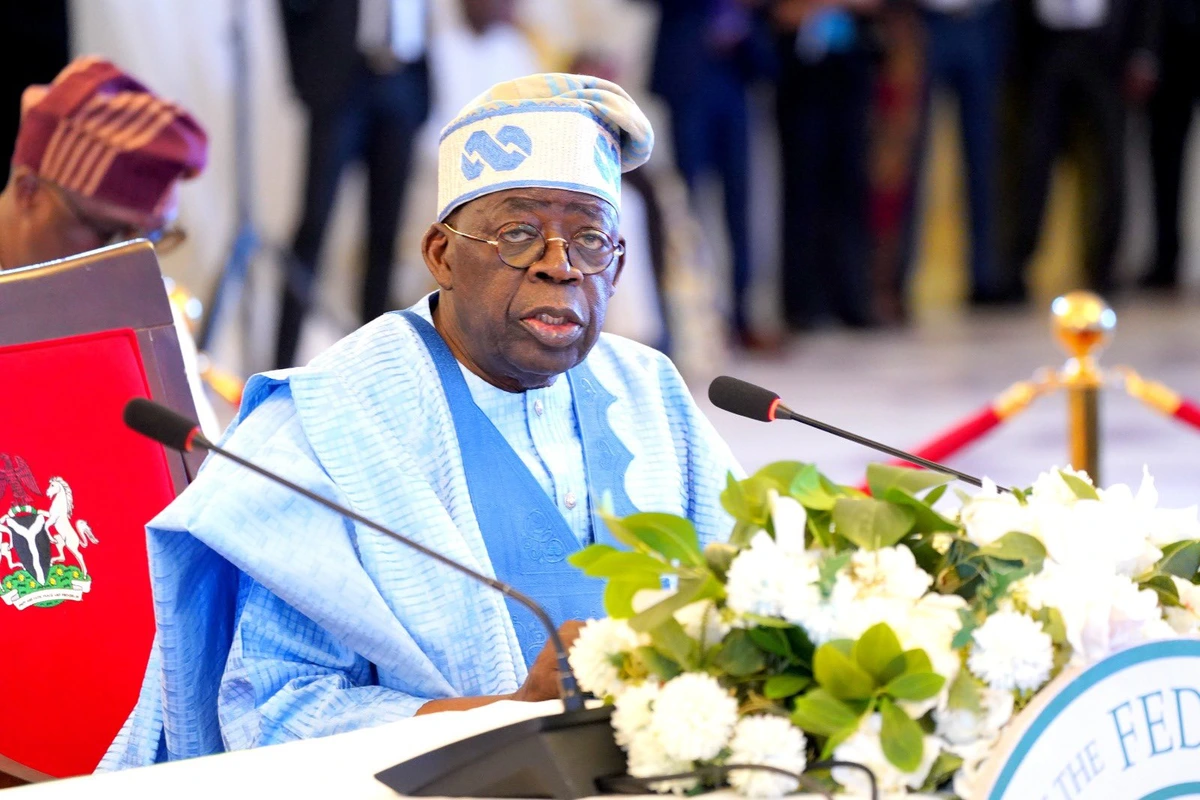
President Bola Tinubu has publicly defended a multi-billion-dollar borrowing plan, arguing that the true measure of any loan lies in the infrastructure it funds and the long-term economic value it generates for Nigerians. The remarks come as the administration pushes toward a $1 trillion economy target by 2030.
What Happened
In an essay published on October 29, 2026, Tinubu responded to criticism of the government's proposed external borrowing, emphasizing that infrastructure development is the engine behind his administration's growth agenda. The proposed package includes $20.52 billion and €1.05 billion in supplementary external financing for 2026-2027 earmarked for roads power and port upgrades across the country.
Key projects highlighted include the Lagos-Calabar Coastal Highway the Sokoto-Badagry Superhighway and the Trans-Sahara Superhighway alongside electricity grid modernisation and port refurbishments in Lagos. Tinubu stated these initiatives would reduce logistics costs expand trade routes and generate hundreds of thousands of jobs during construction and beyond.
Why This Matters
The borrowing defense rests on a broader reform narrative. Since May 2023 Tinubu's administration has implemented petrol subsidy removal exchange rate unification and tax reforms which the President says have strengthened public finances stabilized macroeconomic conditions and restored investor confidence. Recent data shows real GDP growth of 4.43 percent in Q2 2026 headline inflation cooling to 14.63 percent in September from 20.98 percent a year earlier and gross external reserves reaching $55.1 billion by October 9 2026.
Tinubu also noted that the tax-to-GDP ratio has risen to 12.5 percent from 7 percent and that improved credit assessments have lowered Nigeria's country risk premium making borrowing cheaper and more sustainable. The administration is shifting from short-term fiscal borrowing to long-term investments aligned with the lifespan of infrastructure assets.
Key Takeaways
- Tinubu frames the $21.7 billion borrowing plan as an investment in economic corridors not merely debt.
- The Lagos-Calabar Coastal Highway is projected to cut logistics costs by 15 to 20 percent and contribute up to 2 percent to national GDP through increased trade and industrial activity.
- Infrastructure projects are expected to create approximately 100000 direct jobs and over 150000 indirect roles in logistics materials and related services.
- Senate scrutiny continues with former Vice President Atiku Abubakar urging project-by-project spending transparency.
- Public debt data from the Debt Management Office shows Nigeria's total debt reached N166.79 trillion as of June 30 2026 up from N159.35 trillion at the end of March.
Conclusion
Tinubu's loan defense underscores a central theme of his tenure that strategic infrastructure spending is the pathway to Nigeria's $1 trillion economy ambition. While Senate approval and public scrutiny will shape the final outcome the administration maintains that measured asset-backed borrowing can deliver measurable returns in productivity employment and economic diversification.


Discussion
Join the conversation
Thoughtful reactions, questions, and follow-up ideas help shape the next story.