Introduction
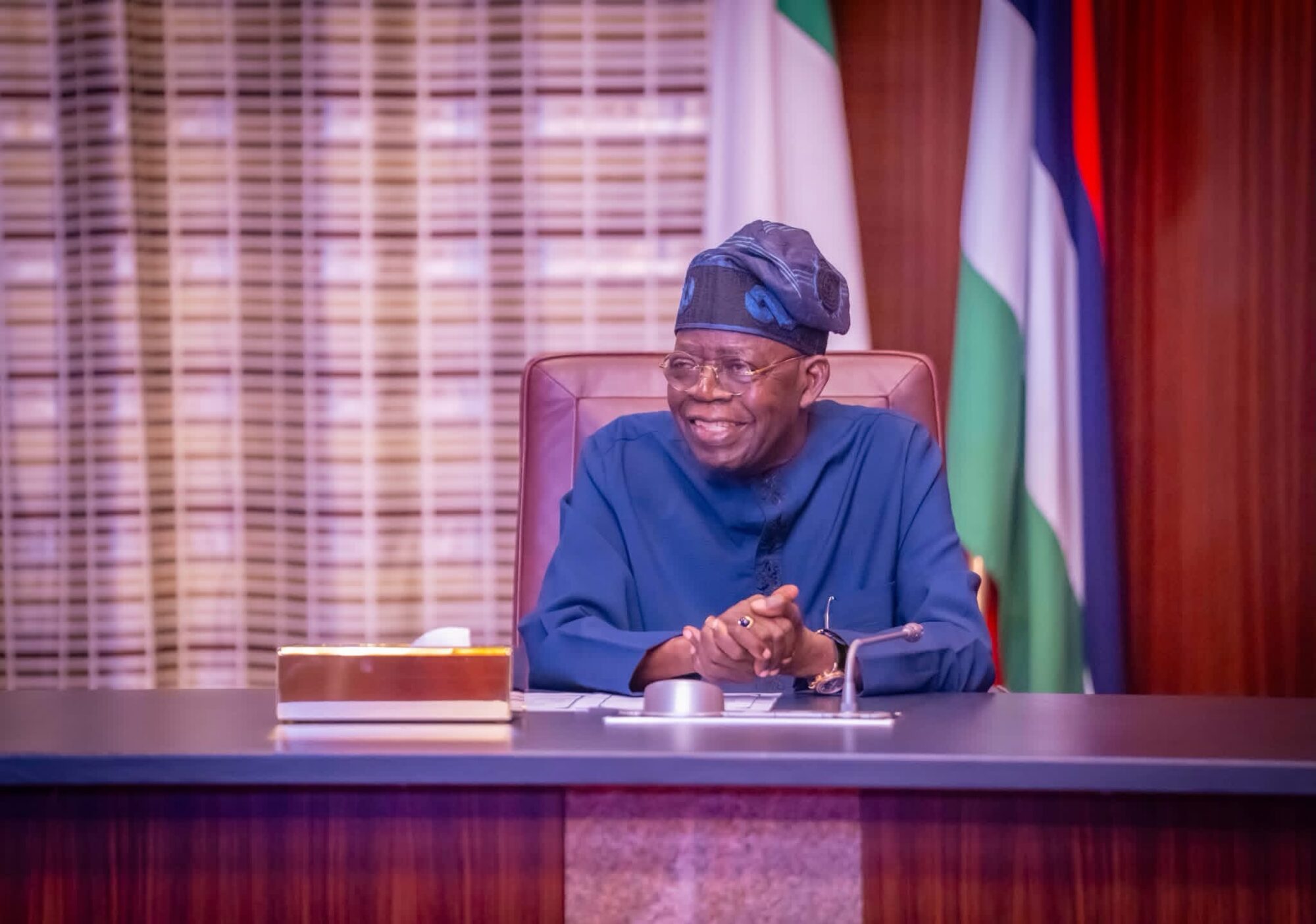
President Bola Tinubu has intensified Nigeria's engagement with BRICS, the bloc of major emerging economies, seeking to position the country at the forefront of Africa's digital and industrial transformation. The initiative underscores a strategic shift toward attracting foreign direct investment in high-growth sectors.
What Happened
At the 18th BRICS Summit in New Delhi, India, Vice President Kashim Shettima delivered Tinubu's call for deeper cooperation in artificial intelligence, digital infrastructure, fintech, telecommunications, critical minerals and advanced manufacturing. The President framed the initiative as a pathway to attract investment, facilitate technology transfer and accelerate Nigeria's economic transformation.
Tinubu highlighted Nigeria's readiness to partner with BRICS nations on infrastructure, connectivity, energy, agriculture, healthcare and industrialisation, supported by development finance. The administration views the engagement as a mechanism to move beyond being a technology consumer to becoming a producer and owner of intellectual property.
Why This Matters
Nigeria's population of over 250 million, with a median age of 16.9, represents one of the world's youngest and most dynamic consumer markets. By deepening ties with BRICS, the government aims to leverage this demographic dividend into tangible economic growth through skills development, local innovation and expanded digital trade.
The partnership also carries broader significance. BRICS serves as a platform for consultation on global political and economic governance, and Nigeria's admission as a partner country in January 2025 signals its growing influence in shaping rules-based international cooperation, particularly in cross-border payments, financial reform and sustainable development.
Key Takeaways
- Tinubu's BRICS outreach targets AI, digital infrastructure, critical minerals, fintech and advanced manufacturing as core investment pillars.
- Nigeria's large youth population and position under the African Continental Free Trade Area make it a strategic gateway for technology and innovation across Africa.
- Initiatives such as the 3MTT programme and Project BRIDGE reflect the government's commitment to building domestic digital capacity.
- Partner-country status grants Nigeria access to selected BRICS activities, trade forums and cross-border financial cooperation mechanisms.
- The move aligns with broader efforts to reposition Nigeria as a competitive destination for technology-driven foreign investment.
Conclusion
Nigeria's deepening collaboration with BRICS marks a strategic pivot toward technology-led economic growth and regional integration. If successfully executed, the partnership could unlock new sources of financing, accelerate skills development and cement the country's role as a digital hub for the African continent.


Discussion
Join the conversation
Thoughtful reactions, questions, and follow-up ideas help shape the next story.