Introduction
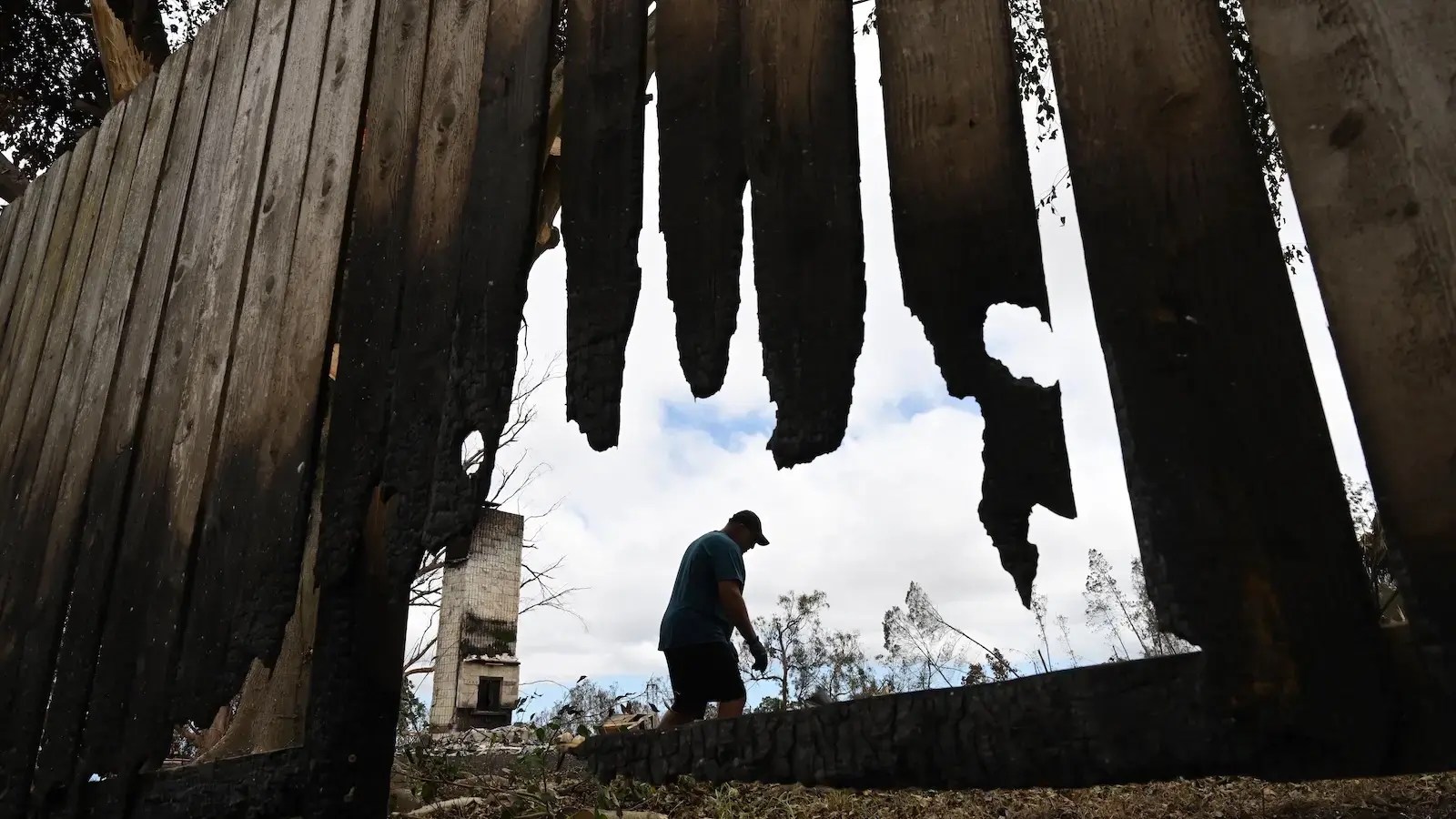
After the Maui wildfires of August 2023, the focus has shifted from immediate destruction to lingering health threats. Researchers are finding that toxic metals continue to reside in residents' bodies long after the flames were doused, raising urgent questions about post-disaster exposure.
What Happened
In August 2023, wildfires swept across Maui, claiming over 100 lives, leveling thousands of homes, and causing billions in damage. Community organizer Noelani Ahia, a Kanaka Maoli co-founder of Maui Medic Healers Hui, coordinated more than 600 volunteers in Lāhainā to provide medical and emotional support. Three years on, the housing shortage and health impacts persist, with the free clinic operated by the group struggling to meet demand.
Why This Matters
A follow-up study by the University of Hawaiʻi at Mānoa’s Maui Wildfire Exposure Project tested 1,400 adults six to 18 months after the fires. Participants showed arsenic levels 2.2 times, barium 2.3 times, and manganese 3.8 times higher than a national pre-fire benchmark. Antimony, a metal used in flame‑retardant materials and linked to respiratory and digestive issues, appeared at nearly 40 times the comparison level. Scientists say the contamination likely stems from both the combustion of homes and infrastructure and from long‑standing environmental legacies tied to plantation agriculture and colonial land use. Disentangling these sources is a critical next step, especially as climate‑driven fires become more frequent.
Key Takeaways
- Over 20 percent of Maui residents exhibited reduced lung function linked to metal exposure after the 2023 wildfires.
- Study participants received their individual results and met with health professionals to discuss next steps.
- The research analyzed 1,400 adults, measuring 24 metals in urine samples.
- Systemic factors such as decades of plantation agriculture, water diversion, and colonial land use compound exposure risks.
- Ongoing work, supported by a $3.6 million grant from the National Institute of Environmental Health Sciences, aims to distinguish fire‑sourced contamination from pre‑existing environmental factors.
- Recovery efforts are being framed around ʻāina (Hawaiian for land), emphasizing that community well‑being and land care must be funded and planned together.
Conclusion
The health toll of the Maui wildfires extends far beyond the initial destruction. As climate change intensifies, understanding persistent toxic exposure is critical for equitable recovery. Residents are now informed, empowered, and demanding that recovery plans prioritize community well‑being and land stewardship over rebuilding the same conditions that left them at risk.







Discussion
Join the conversation
Thoughtful reactions, questions, and follow-up ideas help shape the next story.