Introduction
The United States government is intensifying its pressure on the International Criminal Court, the permanent tribunal based in The Hague that investigates and prosecutes genocide, war crimes, crimes against humanity, and aggression. Secretary of State Marco Rubio recently used a speech before the Federalist Society to threaten military force against the court, while the administration has imposed broad financial sanctions designed to cut the ICC off from the American banking system and the global dollar economy. The move marks a significant escalation in a multi-year effort to limit the court's reach, particularly regarding American and allied personnel.
What Happened
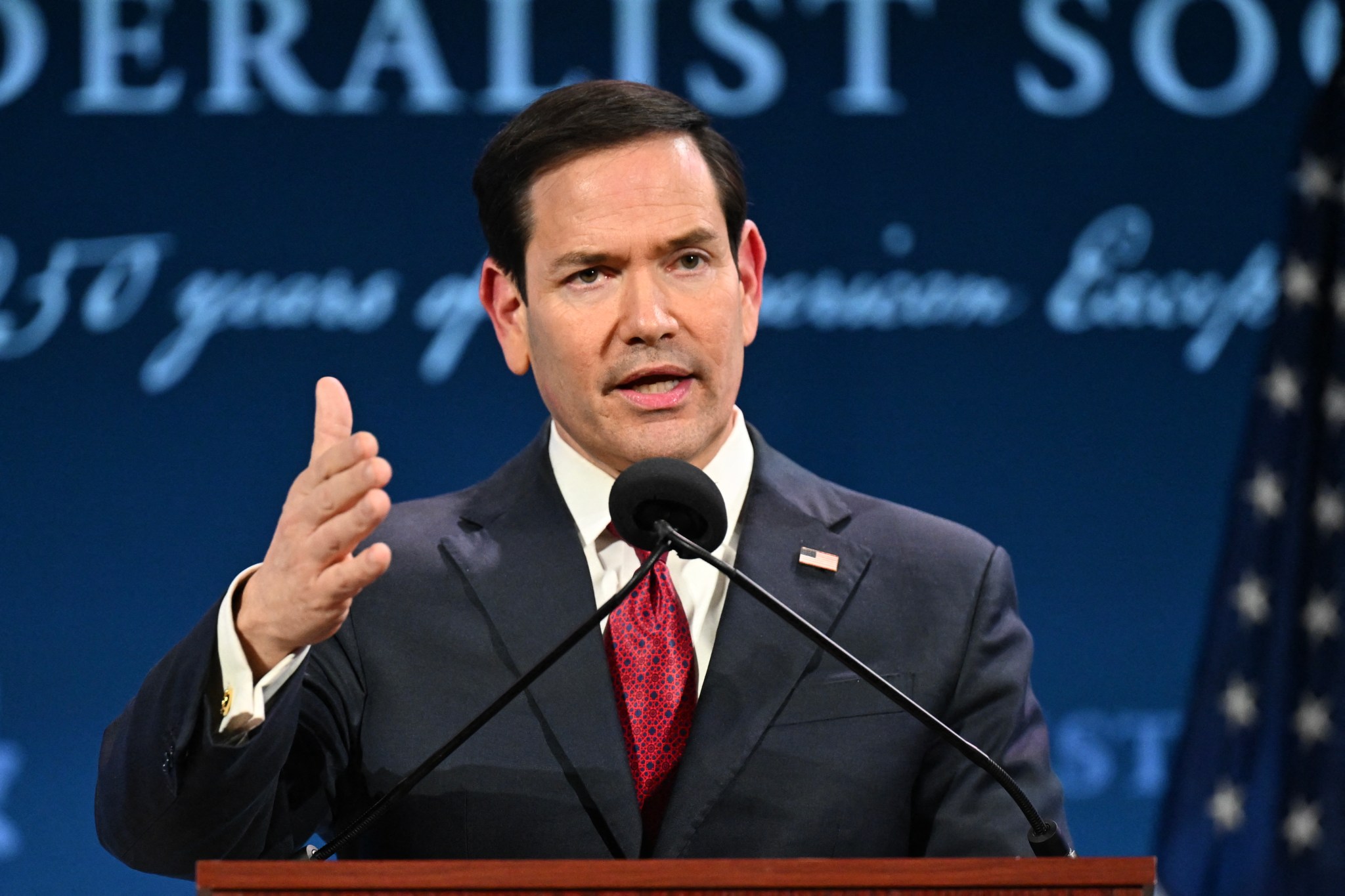
During a keynote address at the National Lawyers Convention in Washington, D.C., Rubio dismissed the ICC as an illegitimate tribunal and an unelected body that claims authority over sovereign nations. He warned that if the court tried to enforce its rulings on Americans, the response would mirror a historical rejection of legal constraints in favor of military power.
Hours after former ICC judge Navi Pillay received the Nobel Peace Prize, the United States announced sanctions that freeze the court's U.S.-based assets, block dollar transactions, and prohibit American institutions from working with the tribunal. All U.S.-based partners of the ICC now have six months to sever ties or risk legal penalties.
The sanctions build on earlier actions. In 2020, the first Trump administration sanctioned ICC officials after the court opened an inquiry into alleged U.S. conduct in Afghanistan. President Biden lifted those measures in 2021, but a new round in February 2025 targeted the court's prosecutor, deputy prosecutors, and several judges involved in Afghanistan and in arrest warrants for Israeli leaders over alleged war crimes in Gaza. The latest measures go further by targeting the court's institutional infrastructure rather than only individuals.
Why This Matters
The International Criminal Court was established to serve as a court of last resort, stepping in when national governments fail to prosecute the gravest international crimes. It operates in the territories of 125 member states and can pursue sitting heads of state as well as lower-ranking military personnel. By severing the court's access to the U.S. financial system, the administration is attempting to isolate the institution from the banks, insurers, and contractors that sustain its operations. The French insurer Axa, for example, ended coverage for the ICC in October, reportedly citing the American sanctions campaign.
Critics say the broader pattern points toward an effort to shield the U.S. military from any form of international legal scrutiny. The administration has also removed senior military lawyers known as judge advocates general and dismantled Pentagon programs focused on civilian protection. Defense Secretary Pete Hegseth described the layoffs as a way to remove obstacles to presidential orders. Taken together, these steps suggest a strategy to eliminate both external and internal checks on military action.
Key Takeaways
- Secretary of State Marco Rubio threatened to use military force against the International Criminal Court during a Federalist Society speech.
- The United States has imposed sanctions that freeze ICC assets in the U.S., block dollar transactions, and bar American institutions from working with the court.
- ICC partner organizations based in the United States have six months to cut ties with the tribunal or face legal consequences.
- The sanctions follow earlier measures against ICC officials tied to investigations in Afghanistan and arrest warrants for Israeli leaders over Gaza.
- The administration has also purged military legal advisers and reduced civilian protection programs at the Pentagon.
- ICC President Tomoko Akane has said the court will continue its work despite the pressure.
Conclusion
The campaign against the International Criminal Court is not merely a diplomatic dispute; it is part of a wider attempt to ensure that American military power operates without international legal oversight. While the sanctions may strain the court's finances and partnerships, they are unlikely to stop the work of investigators, journalists, and survivors who gather evidence of atrocities. Whether the ICC can withstand this financial isolation will depend on whether other nations and institutions step forward to protect the mechanisms of global accountability.
Discussion
Join the conversation
Thoughtful reactions, questions, and follow-up ideas help shape the next story.