
Introduction
\nPresident Donald Trump has announced a major economic development proposal, pledging a $15 billion steel mill project for eastern Iowa. The announcement comes as Congress moves forward with several high-profile legislative items ahead of the upcoming midterm elections.
\n\nWhat Happened
\nTrump revealed the ambitious steel mill plan during a White House meeting, framing it as a boost for American manufacturing and Midwest jobs. In parallel, his administration moved to roll back federal fuel economy standards, arguing the previous rules exceeded congressional intent and hindered domestic auto production. The Senate also scheduled final votes on the Protect College Sports Act and the Ratepayer Protection Act, both prioritized before the midterm recess. Additionally, the Supreme Court began its new term with its first private session, known by court watchers as the long conference, to decide which cases to hear.
\n\nWhy This Matters
\nThe multi-billion-dollar steel mill commitment signals continued political focus on revitalizing U.S. heavy industry, particularly in key swing-state regions. The fuel economy rollback could reshape the automotive sector's regulatory landscape, affecting manufacturers and consumers nationwide. The college sports legislation and Supreme Court session have direct implications for student-athlete rights, institutional policies, and the balance of power in upcoming elections. Together, these developments highlight the intersection of economic policy, sports governance, and judicial decisions shaping the national agenda.
\n\nKey Takeaways
\n- \n
- $15 billion steel mill proposed for eastern Iowa, emphasizing domestic manufacturing growth. \n
- Fuel economy standards rolled back, potentially altering emissions targets and auto industry compliance requirements. \n
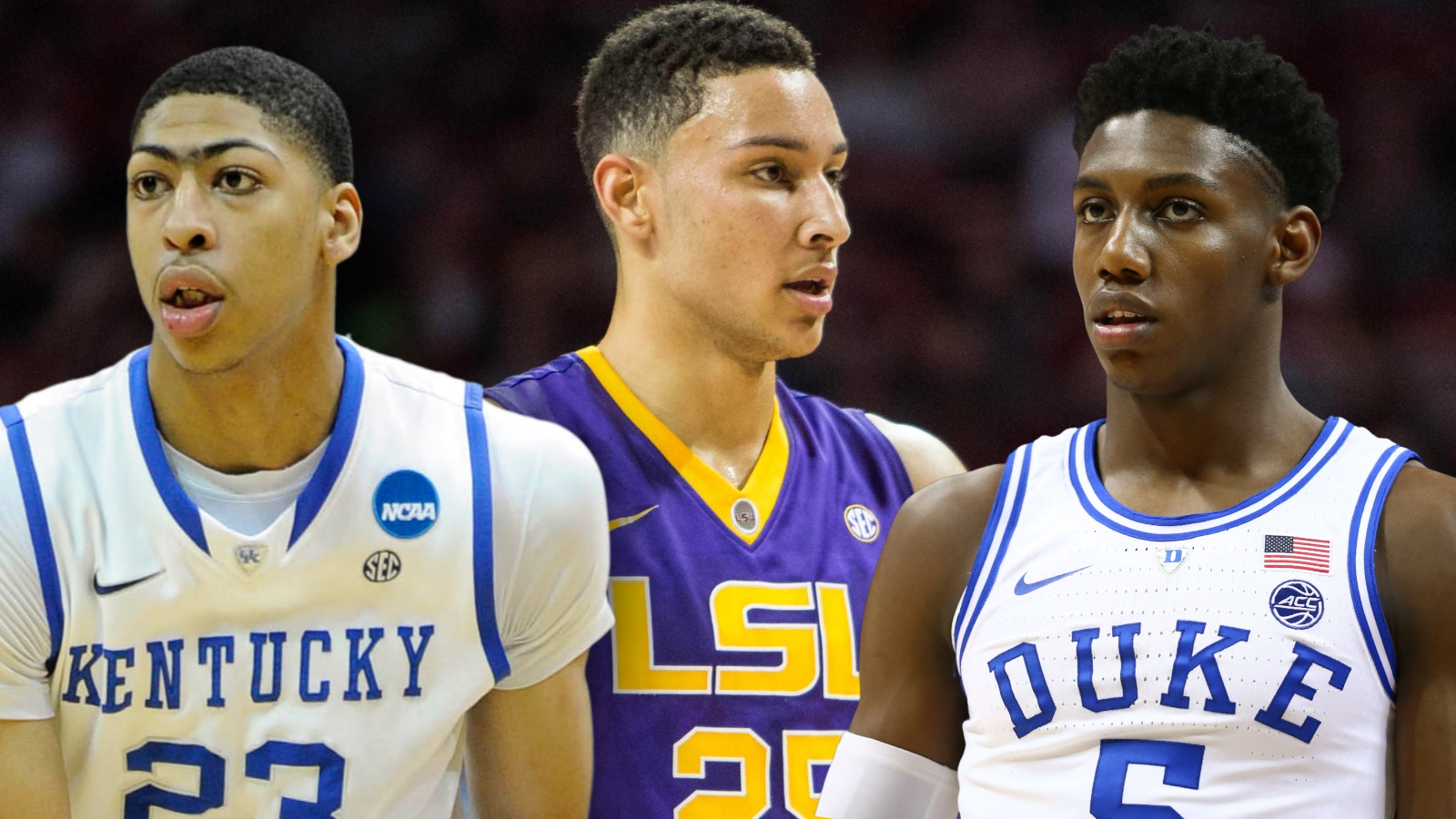
- Senate final vote expected on the Protect College Sports Act, a major piece of legislation regarding athlete compensation and governance. \n
- Supreme Court long conference begins its new term, signaling upcoming decisions on high-profile cases. \n
- Midterm election strategy taking shape through legislative action on college sports and consumer protections. \n
Conclusion
\nFrom multi-billion-dollar industrial plans to legislative showdowns on college athletics and environmental rules, this week's political moves reflect broad efforts to influence economic, social, and legal landscapes ahead of critical elections. Stakeholders across manufacturing, sports, and environmental sectors should monitor these developments closely.


Discussion
Join the conversation
Thoughtful reactions, questions, and follow-up ideas help shape the next story.