Introduction
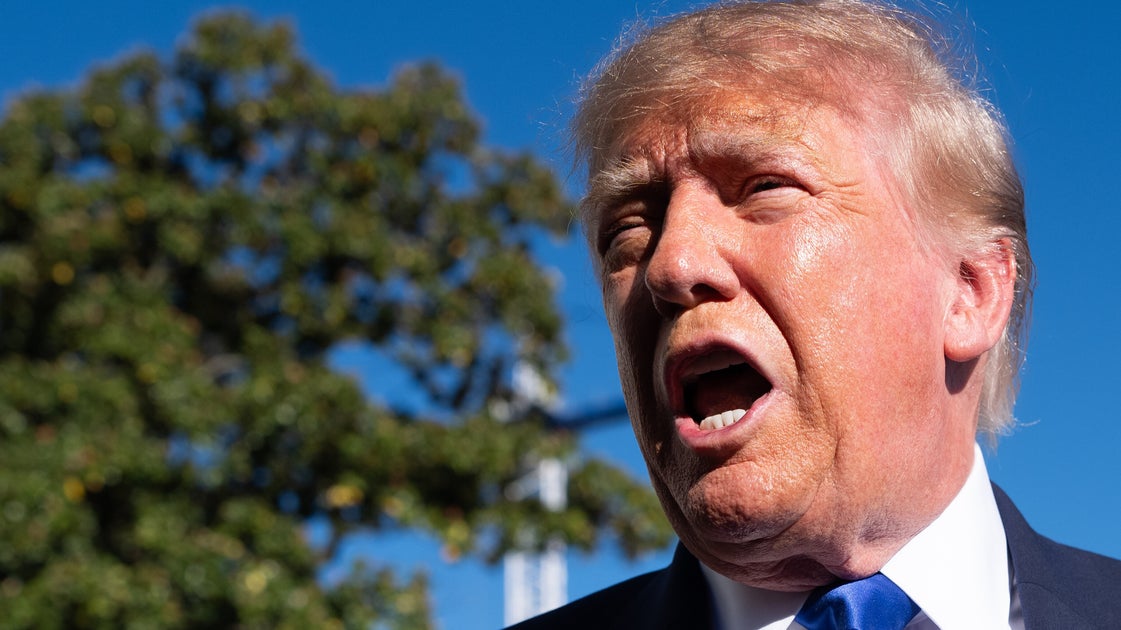
Former President Donald Trump has reignited speculation about a 2028 campaign, declaring he has the right to run despite the U.S. Constitution's explicit two-term limit. The remarks came at a recent Iowa rally, where Trump framed his potential candidacy around disputed election results.
What Happened
At a campaign-style gathering in Iowa, Trump told the crowd he has the right to seek the presidency again, even though the 22nd Amendment clearly prohibits a third term. He suggested the only reason he might be blocked is because they cheated us on the second one, referencing his false claims about the 2020 election. Trump also pointed to his past victories, stating we won three times, as justification for his position. His comments echo a long pattern of election-fraud assertions, including past claims about the 2016 Iowa caucuses and the 2020 race. Throughout his presidency and since, Trump has repeatedly questioned election outcomes he lost, often without evidence. He has also walked back the idea at times, telling reporters over the summer that the law is very strong on the restriction, even as his supporters chant 2028! at events.
Why This Matters
Trump's 2028 remarks matter because they test the boundaries of political rhetoric against constitutional law. The 22nd Amendment was ratified in 1951 specifically to prevent any president from serving more than eight years, and legal experts agree it presents a firm barrier. However, the continued public discussion influences party dynamics, voter expectations, and the broader narrative around election legitimacy. For voters and analysts, the comments serve as a signal of Trump's enduring political footprint and the extent to which election-fraud narratives continue to shape future campaign strategies. It also underscores the importance of constitutional safeguards in American democracy.
Key Takeaways
- Trump claims a right to run in 2028, citing disputed election results.
- The 22nd Amendment legally bars a third term for any president.
- Trump has a history of alleging fraud in elections he loses.
- He has alternately acknowledged and dismissed the constitutional barrier.
- The remarks keep alive speculation about his political future and party dynamics.
Conclusion
Whether Trump can legally run in 2028 is settled by the Constitution, but his public assertions ensure the conversation will persist. The exchange highlights how election disputes continue to intersect with presidential ambitions, and why the two-term limit remains a cornerstone of U.S. electoral integrity.






Discussion
Join the conversation
Thoughtful reactions, questions, and follow-up ideas help shape the next story.