Introduction
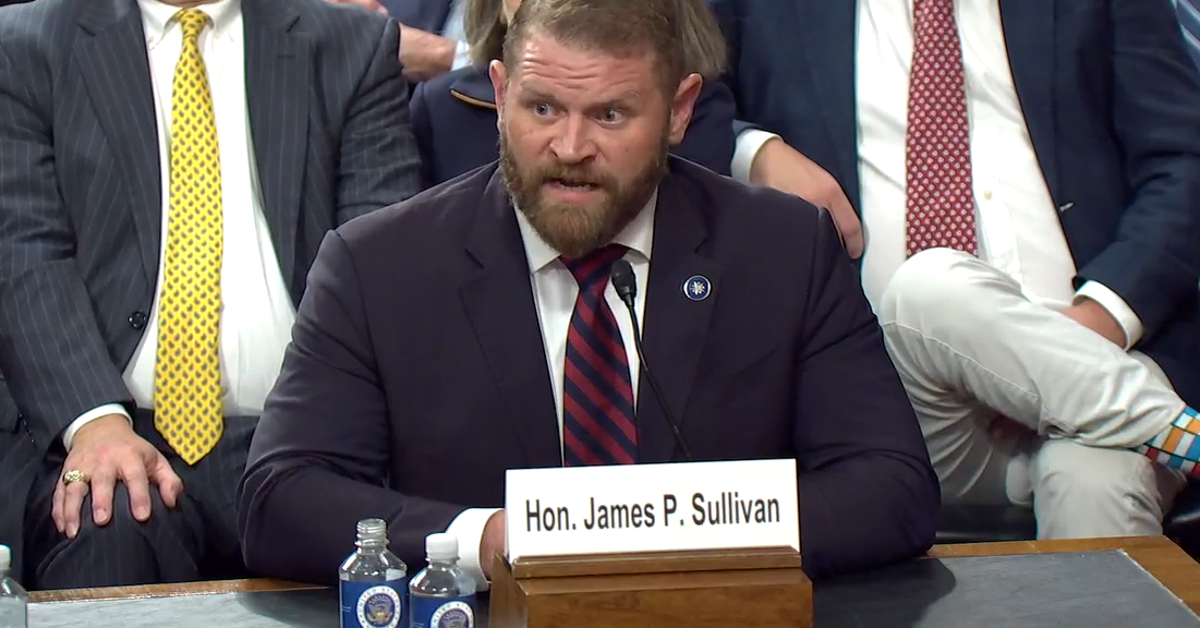
President Donald Trump's nominee for a lifetime federal judgeship faced a difficult Senate confirmation hearing, stumbling over basic constitutional questions and declining to state whether a president can legally serve more than two terms.
What Happened
During the hearing for James P. Sullivan's nomination to the U.S. Court for the Western District of Texas, Senator Chris Coons of Delaware opened with a straightforward question about the 22nd Amendment. Sullivan appeared unable to recall its contents, prompting Coons to supply the opening words. After receiving the hint, Sullivan acknowledged that the amendment bars a person from being elected president more than twice.
The exchange grew more pointed when Coons asked whether Donald Trump, having won the 2016 and 2024 presidential elections, could run again in 2028. Sullivan declined to answer directly, citing judicial ethics rules that he said prevent nominees from commenting on such matters. He described the issue as a subject of political debate. Coons pushed back, calling the constitutional text unambiguous and suggesting that only the former president treats a third term as an open question.
Why This Matters
A lifetime appointment to the federal bench requires a firm grasp of the Constitution. Critics argue that a nominee who hesitates on foundational amendments may not be prepared to impartially interpret the law. The hearing also touched on Trump's repeated public comments about seeking another term in 2028, raising questions about how future cases involving presidential term limits might be handled.
Key Takeaways
- James P. Sullivan is a Trump nominee for a lifetime seat on the U.S. Court for the Western District of Texas.
- Senator Chris Coons asked Sullivan to explain the 22nd Amendment, which limits presidents to two elected terms.
- Sullivan initially could not recall the amendment's text and needed a hint from the senator.
- When asked if Trump could run for a third term in 2028, Sullivan declined to give a direct answer, citing judicial conduct rules.
- Coons called the amendment unambiguous and said the idea of a third term is only controversial in Trump's mind.
Conclusion
The confirmation hearing underscored the scrutiny that judicial nominees face regarding constitutional literacy. Whether Sullivan's performance will affect his chances of confirmation remains to be seen, but the exchange has already drawn widespread attention for its discussion of presidential term limits and the independence of the federal judiciary.
Discussion
Join the conversation
Thoughtful reactions, questions, and follow-up ideas help shape the next story.