Introduction
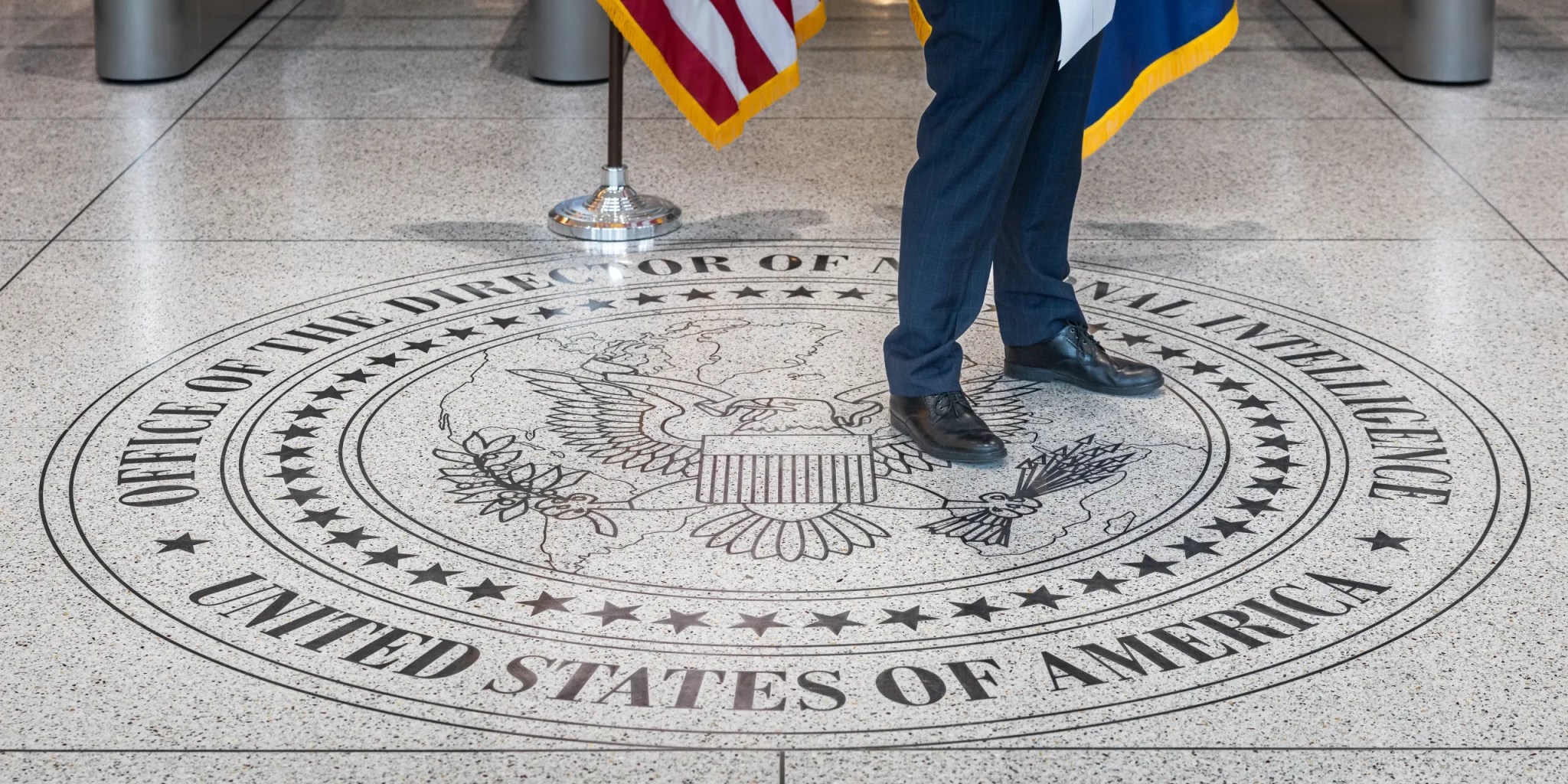
President Donald Trump has nominated Gary Lawkowski to serve as general counsel of the Office of the Director of National Intelligence, the Cabinet-level office that coordinates the U.S. intelligence community. Lawkowski, a lawyer on Trump’s 2024 campaign and a current White House aide, has no documented background in national security. His selection follows a pattern of the president installing loyalists in sensitive government posts, and it arrives as the Senate prepares to shift partisan control in January.
What Happened
Trump announced the nomination on Monday, according to reporting from The Intercept. Lawkowski would replace John Dever, who was confirmed to the ODNI general counsel position just over a year ago and has since joined Freddie Mac as executive counsel and vice president. Dever brought years of national security experience, including work as an Army Korean linguist, an FBI attorney, and a counterterrorism prosecutor.
Lawkowski’s résumé is different. He served as a campaign lawyer during the 2024 election and filed a Federal Election Commission complaint alleging that the Washington Post made an illegal in-kind contribution to Kamala Harris’s campaign by purchasing social media ads for its articles. Campaign finance experts dismissed the claim as baseless. He also represented Trump in legal matters connected to the January 6, 2021, attack on the Capitol.
Inside the White House, Lawkowski holds the title of deputy assistant and deputy counsel to the president. Reporting from the New York Times indicates he has helped shape decisions about presidential pardons, including clemency for campaign donors and Republican officials convicted of corruption. One pardon recipient, former Tennessee state senator Brian Kelsey, had previously been represented by Lawkowski. It is not publicly known whether Lawkowski recused himself from that decision.
Why This Matters
The ODNI does not gather its own raw intelligence, but it sits at the center of the U.S. spy apparatus as the only Cabinet-level intelligence agency. It oversees and coordinates collection and analysis across bodies such as the CIA and the National Security Agency. The general counsel interprets surveillance and intelligence law, giving the officeholder significant influence over whether intelligence activities proceed or are blocked.
Critics argue the nomination continues an effort to place political allies inside the intelligence community. Demand Progress, a progressive advocacy group, said in a statement that Lawkowski’s role in the pardon process shows the administration wants to stack the ODNI with loyalists who could weaponize intelligence against political opponents. The group urged senators to reject the nomination.
This fight is taking place against a backdrop of recent turmoil at the agency. Trump’s earlier choice to install housing official Bill Pulte as ODNI director collapsed under bipartisan pressure, and former prosecutor Jay Clayton was eventually named as the permanent director. Under previous director Tulsi Gabbard, the agency played an unusually visible role in declassifying material that cast Trump’s critics in a negative light, including material related to the COVID-19 lab-leak theory.
Key Takeaways
- Gary Lawkowski has been nominated as general counsel of the Office of the Director of National Intelligence.
- He is a Trump campaign lawyer and White House pardons adviser with no known national security experience.
- He would replace John Dever, a former FBI attorney and counterterrorism prosecutor now at Freddie Mac.
- Lawkowski helped manage the White House pardon process and represented Trump in January 6-related litigation.
- Democrats will control the Senate in January, and the confirmation timeline remains uncertain.
- Critics warn the appointment politicizes the intelligence community and could affect how spying laws are interpreted.
Conclusion
Whether Lawkowski wins confirmation is still unclear. Senate Intelligence Committee Chair Tom Cotton has not said whether he will move quickly, and the chamber faces a crowded legislative calendar before the new Senate is sworn in on January 3. Incoming chair Mark Warner has already criticized Trump’s temporary appointment of Pulte and voted against Clayton’s nomination.
For now, the nomination raises a central question about the future of the ODNI: whether its top lawyer will be chosen for expertise in intelligence law or for loyalty to the president. The answer could shape how the nation’s spy agencies operate for years to come.
Discussion
Join the conversation
Thoughtful reactions, questions, and follow-up ideas help shape the next story.