Introduction
\nPresident Trump's decision to import Russian diesel into the United States has triggered sharp reactions from both parties, reigniting debates over energy policy, foreign alignment, and congressional authority.
\n\nWhat Happened
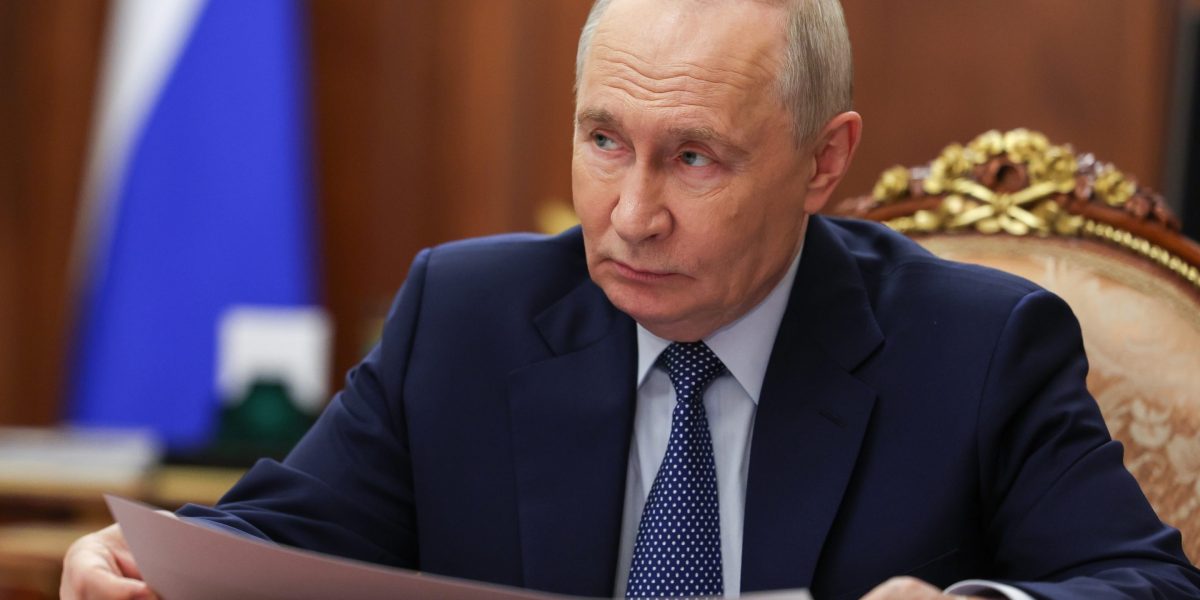
\nTrump announced an agreement with Russian President Vladimir Putin to allow tons of Russian diesel to enter the U.S., aiming to ease record-high fuel prices before key elections. The move comes despite a 2022 congressional ban on Russian energy imports, passed overwhelmingly to deny financial support to Putin's war in Ukraine. Lawmakers argue the deal undermines that law and directly benefits the Russian government.
\n\nWhy This Matters
\nThe diesel pact underscores a recurring pattern of the Trump administration aligning with Russia, often at Ukraine's expense. Critics warn it emboldens Moscow, violates existing sanctions frameworks, and damages U.S. credibility on the global stage. A recent AP-NORC poll found many Americans blame Trump for rising energy costs and disapprove of his handling of the broader conflict.
\n\nKey Takeaways
\n- \n
- Trump's diesel deal with Putin faces bipartisan legal and moral pushback in Congress. \n
- Legislation passed in 2022 prohibits Russian energy imports; the administration's move appears to circumvent that ban. \n
- Energy experts question whether the influx of Russian fuel will meaningfully lower U.S. pump prices. \n
- The decision deepens concerns about U.S.-Ukraine relations and the enforcement of global sanctions. \n
Conclusion
\nAs the October 18 deadline for new Russian sanctions approaches, Trump's diesel agreement with Putin places the White House and Capitol Hill on a collision course. The controversy highlights the tension between election-year energy politics and long-term foreign policy commitments, with lasting implications for U.S. standing and Ukraine's fight.






Discussion
Join the conversation
Thoughtful reactions, questions, and follow-up ideas help shape the next story.