Introduction
The Trump administration entered its second term with an ambitious plan to reassert U.S. dominance across the Western Hemisphere. Framed as a modern corollary to the Monroe Doctrine, the strategy combined military partnerships, energy agreements, and economic pressure to bring Latin American governments into alignment with Washington. Nearly a year into the effort, the initiative is encountering serious resistance. From a rejected military pact in Colombia to electoral defeats for U.S.-backed candidates in Brazil and Paraguay, the administration's vision of a pliant regional bloc is proving difficult to realize.
What Happened
The centerpiece of the regional strategy, sometimes called the Donroe Doctrine, was outlined in the National Security Strategy published late last year. It called for enlisting friendly governments and expanding American security partnerships throughout the hemisphere. In practice, this meant a series of aggressive moves:
- A surprise military agreement with Venezuela announced by Defense Secretary Pete Hegseth in Caracas, covering joint training, intelligence sharing, and defense equipment, alongside an oil arrangement giving the United States a direct stake in more than 17 strategic fields.
- The removal of Venezuelan President Nicolás Maduro in a January operation, followed by U.S. airstrikes targeting alleged gang leaders and guerrilla camps inside Venezuelan territory.
- A campaign of strikes on suspected drug vessels in the Caribbean and Pacific that the administration says killed more than 240 civilians since September.
- The creation of the Shield of the Americas initiative and the Americas Counter Cartel Coalition, which grew to include 19 countries by October.
- Deepening military ties with Ecuador, where U.S. Special Operations forces conducted joint raids despite a national referendum rejecting a permanent U.S. base.
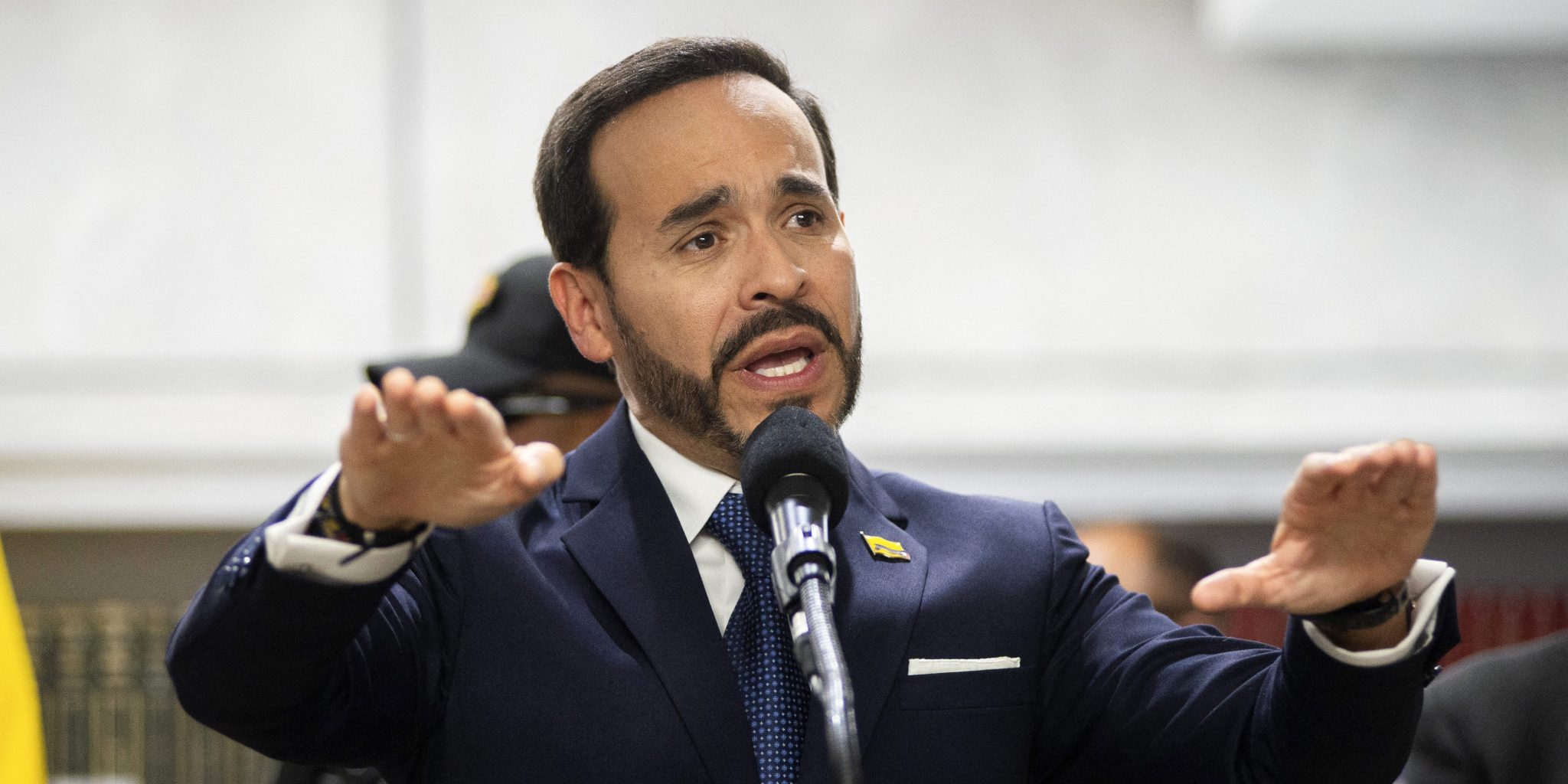
Not every effort succeeded. Colombia declined a proposal for joint military operations, leading Hegseth to cut short a visit to Bogotá. President Abelardo de la Espriella lacked sufficient support in Colombia's Congress to approve an agreement allowing U.S. troops to conduct counter-cartel operations on Colombian soil.
Why This Matters
The administration's approach revives a long history of U.S. intervention in Latin America, a region Washington has historically treated as its exclusive sphere of influence. Human rights groups have already documented alleged torture, drone strikes, and arbitrary detentions linked to U.S.-Ecuador operations. The campaign against drug boats has resulted in a significant civilian death toll. Meanwhile, economic coercion—such as threatening tariffs against nations that supply fuel to Cuba and conditioning Argentina's bailout on electoral outcomes—raises questions about respect for national sovereignty.
These policies are not occurring in a vacuum. They come alongside broader domestic political shifts, including the appointment of Stephen Miller as chief of staff and an impeachment effort targeting Hegseth. With voters signaling fatigue over constant military interventions following the Republican Party's midterm losses, the administration may find its room to maneuver shrinking even as it doubles down on regional pressure.
Key Takeaways
- The Trump administration's regional strategy, framed as a modern Monroe Doctrine, combines military pacts, energy deals, and economic pressure across Latin America.
- Venezuela signed a military and oil agreement with the United States, but Colombia rejected a similar arrangement for joint counter-cartel operations.
- U.S. strikes on suspected drug boats have killed more than 240 civilians since September.
- Human rights organizations have documented alleged abuses tied to U.S.-Ecuador security operations, including civilian targeting and arbitrary detention.
- U.S.-aligned candidates suffered setbacks in Brazil, Paraguay, and Argentina, while protests and left-wing activism have grown in Bolivia, Chile, and Argentina.
- Congressional opposition and public skepticism toward military intervention may limit the administration's ability to sustain its current course.
Conclusion
The administration may still intend to revive the Monroe Doctrine and compel Latin American governments to align with U.S. interests, but the early results suggest limits to American power in the region. Colombia's refusal, Brazil's rejection of a Trump-endorsed candidate, and mounting street protests from Bolivia to Chile all point to a hemisphere less willing to accept outside dictates. History shows that Latin American populations have repeatedly defended their sovereignty against foreign empire and local collaborators. This latest chapter appears to be following that pattern, even as Washington continues to apply military and economic pressure.
Discussion
Join the conversation
Thoughtful reactions, questions, and follow-up ideas help shape the next story.