Introduction
Donald Trump's second term has been defined by a striking paradox: while he repeatedly frames Democrats as communists, his administration's economic policies tell a different story. From government equity stakes in private companies to sweeping tariffs and unorthodox fiscal moves, Trump is bending the economy in ways that blur the line between free-market capitalism and state intervention.
What Happened
Since taking office, Trump's administration has taken government equity stakes in more than three dozen private companies, a move unprecedented in recent presidential history. The administration has also imposed dozens of tariffs and asked the Treasury Department to intervene in interest rate markets, actions that break from traditional Republican orthodoxy. Complementing these moves, Trump has floated a $5,000 per-adult check, conditioned on Republican victories in the upcoming midterms, and has repeatedly labeled his political opponents as communists during rallies and ads.
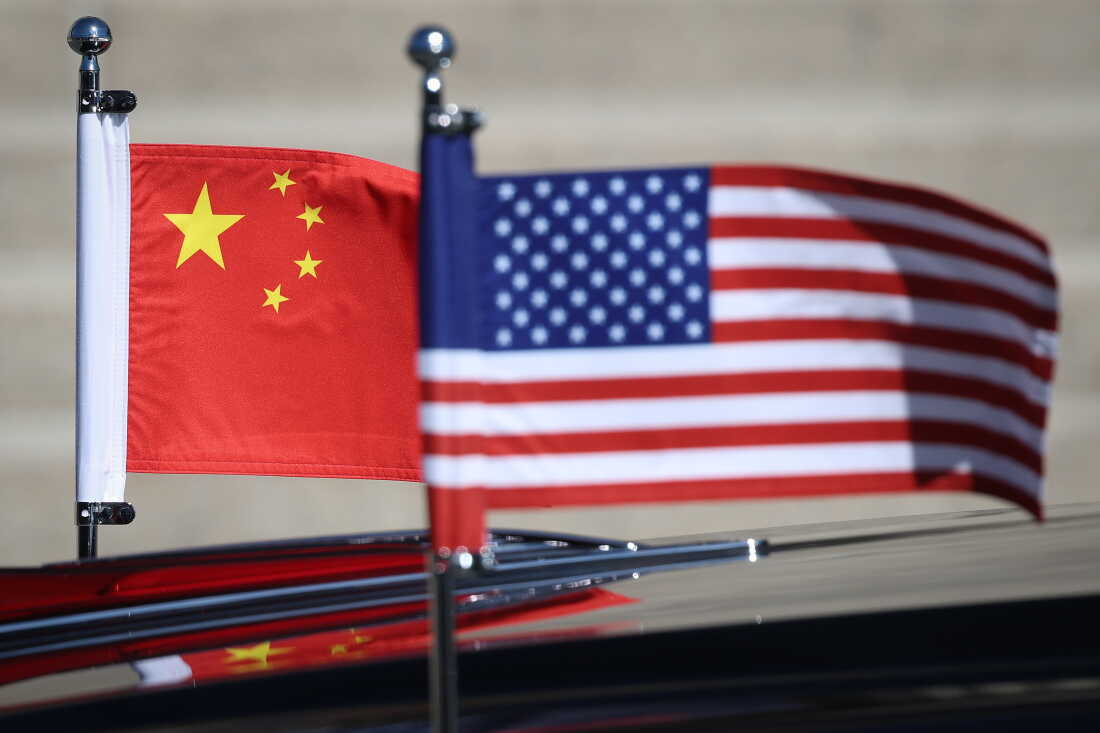
The contrast is on full display at home and abroad. Trump recently posed for photos with China's President Xi Jinping, calling the Chinese leader strong vibrant and fit even as he warns of communist infiltration. He also appeared alongside New York Mayor Zohran Mamdani a democratic socialist offering praise that critics say undermines his rhetoric. Even a Babylon Bee headline summed up the irony: Trump Pledges That If Voters Defeat Socialism In November They Will Each Get An Equal Redistribution Of Wealth From The Government.
Why This Matters
The disconnect between Trump's words and his policy record matters because it reshapes how voters perceive economic ideology. Scott Lincicome of the Cato Institute calls transactional interventionism policies driven by immediate political outcomes rather than a consistent ideological framework. Jonathan Hillman of the Council on Foreign Relations notes the sheer volume of government equity deals 39 and counting is striking especially without a crisis-level justification like the 2008 financial crisis. Meanwhile Gallup data shows 43 percent of Americans now view socialism positively a historic high suggesting the label is losing its rhetorical punch or being redefined by the public.
For voters the implication is clear: Trump's economic playbook is increasingly difficult to slot into traditional left-right bins. His actions could set a precedent for future presidents regardless of party to take equity stakes or wield tariffs as political tools. As Trump's term nears its midpoint the question isn't just what he'll do next but what the next administration will inherit.
Key Takeaways
- Trump's administration has taken equity stakes in over 30 private companies breaking with typical GOP free-market doctrine.
- Policy moves tariffs Treasury rate pressure and equity deals are framed as transactional tools rather than ideologically consistent free-market measures.
- Trump's rhetoric labeling Democrats as communists clashes with his own engagements with Xi Jinping and socialist-leaning figures.
- Public perception is shifting: a record share of Americans view socialism positively potentially diluting the label's electoral power.
- The next president will inherit an expanded set of executive tools around corporate stakes and trade policy regardless of party.
Conclusion
Trump's second term is proving that the old labels no longer fit neatly. His blend of populist rhetoric and interventionist policy creates a moving target for opponents and allies alike. As the midterms approach and the 2028 field takes shape watchers should expect the communist label to remain a staple of Trump's playbook even as his actions continue to redefine what economic power looks like in practice. The legacy of these tensions will likely outlast his presidency influencing how future leaders wield the levers of state capitalism.



Discussion
Join the conversation
Thoughtful reactions, questions, and follow-up ideas help shape the next story.